
For many men, a full, well-groomed beard is more than just facial hair—it's a symbol of masculinity, maturity, and personal style. Yet, patchy beard growth remains a common frustration. Whether you're dealing with sparse patches on your cheeks, weak chin coverage, or uneven sideburns, you're not alone. Millions of men face this issue, often turning to home remedies, oils, or over-the-counter treatments like minoxidil. But what actually works? And how do natural approaches stack up against clinical solutions? This article dives deep into the science, myths, and real-world results behind fixing patchy beards.
The Science Behind Patchy Beard Growth
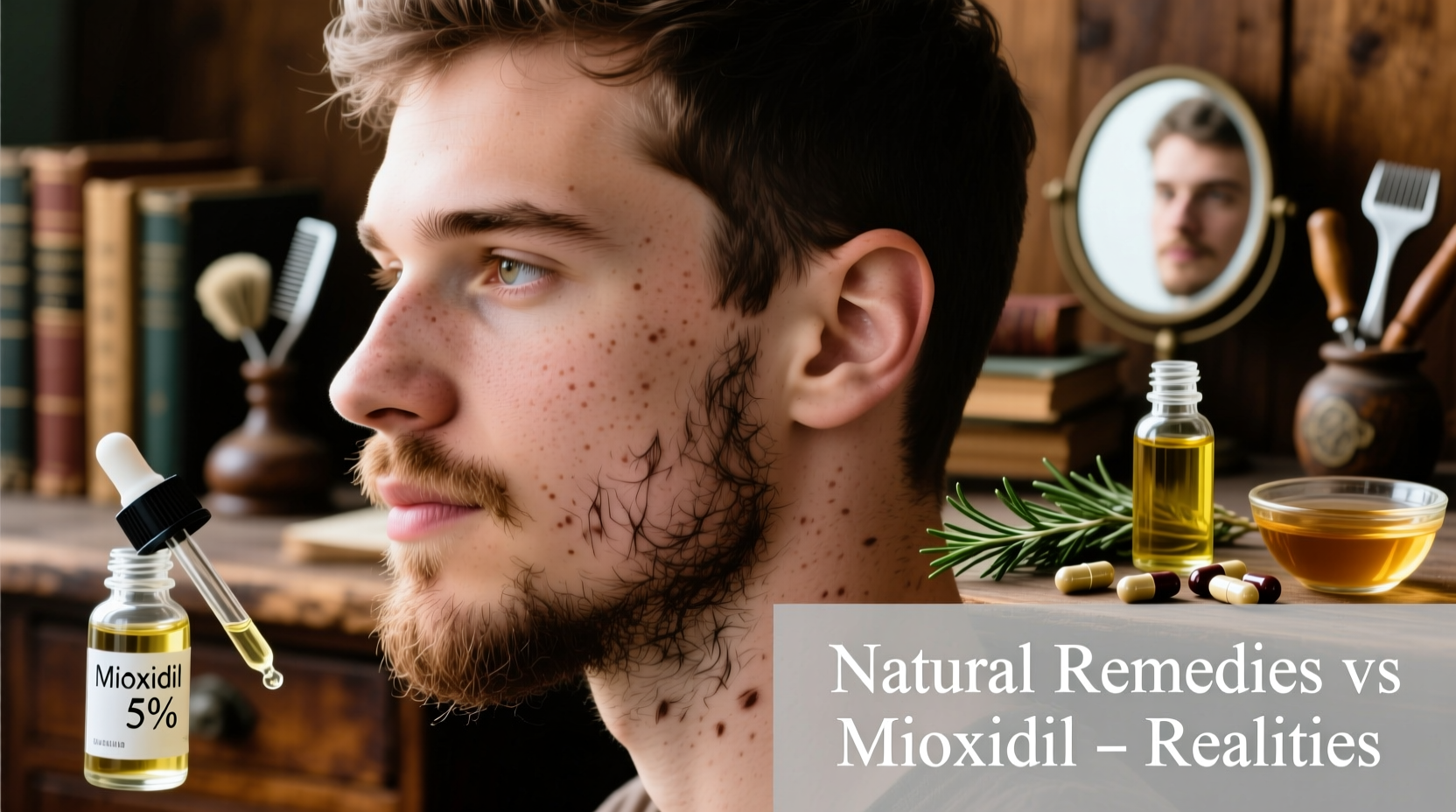
Beard growth is primarily governed by genetics and hormones, particularly dihydrotestosterone (DHT), a derivative of testosterone. Hair follicles in different areas of the face have varying sensitivity to DHT, which explains why some zones grow thickly while others remain stubbornly thin. Age also plays a role—many men see improved density between ages 20 and 30 as hormone levels stabilize.
Patchiness isn't always a sign of poor health. In most cases, it’s simply how your genes express facial hair. However, underlying issues such as hormonal imbalances, nutritional deficiencies (like low zinc or biotin), chronic stress, or skin conditions like alopecia barbae can contribute to poor growth.
“Facial hair patterns are largely genetic. While external treatments can help, they can’t override biological predisposition.” — Dr. Alan Kim, Dermatologist & Hair Specialist
Natural Remedies: Do They Work?
Natural solutions are popular due to their accessibility and minimal side effects. Many men swear by essential oils, massage, and dietary changes. But scientific evidence varies widely.
Common Natural Approaches
- Castor Oil: Rich in ricinoleic acid, castor oil is believed to improve circulation and moisturize follicles. While no direct studies prove it stimulates beard growth, its anti-inflammatory properties may support healthier skin.
- Coconut Oil: Contains lauric acid, which has antimicrobial and moisturizing benefits. It won’t grow new hair but can strengthen existing strands and reduce breakage.
- Beard Massage: Daily facial massage increases blood flow to follicles. A small 2016 study found that men who massaged their scalps daily saw thicker hair after 6 months—suggesting similar benefits could apply to facial hair.
- Dietary Support: Nutrients like biotin, vitamin E, zinc, and protein are crucial for keratin production. Deficiencies can impair hair growth, so correcting them may improve results.
- Peppermint Oil: One animal study showed peppermint oil outperformed minoxidil in promoting hair growth in mice—but human trials are lacking.
The Reality Check
While natural methods are safe and may enhance skin health and hair condition, they rarely produce dramatic changes in genetically thin areas. There’s little clinical proof that any oil or supplement can activate dormant follicles where none exist. At best, they optimize the environment for existing hair to grow stronger and thicker.
Minoxidil: What the Research Says
Minoxidil, originally developed as a blood pressure medication, was discovered to cause hair growth as a side effect. Today, it’s FDA-approved for scalp hair loss (androgenetic alopecia) but used off-label for beards.
It works by prolonging the anagen (growth) phase of hair follicles and increasing blood supply. Applied topically twice daily, it can stimulate new growth in previously inactive areas.
Clinical Evidence for Beard Use
A 2016 study published in the *Journal of Cosmetic Dermatology* tested 5% minoxidil on men with patchy beards. After 16 weeks, 77% showed “good” or “excellent” improvement compared to placebo. Most gains occurred around the cheeks and neck—areas typically resistant to natural growth.
However, results vary. Some men see noticeable filling within 8–12 weeks; others see minimal change even after six months. Genetics still play a major role in responsiveness.
Side Effects and Considerations
Minoxidil is generally safe but comes with potential drawbacks:
- Initial shedding (temporary)
- Dryness, irritation, or flaking
- Unwanted hair growth on adjacent skin if not applied carefully
- Rare systemic effects like dizziness or heart palpitations (more common with oral forms)
Most importantly: results are not permanent. If you stop using minoxidil, any new hair gained typically sheds within 3–6 months.
“Minoxidil can be effective for beard enhancement, but patients must understand it’s a long-term commitment, not a cure.” — Dr. Lena Patel, Trichologist
Comparing Natural Remedies vs Minoxidil: A Practical Breakdown
| Factor | Natural Remedies | Minoxidil |
|---|---|---|
| Evidence Level | Limited to anecdotal; few human studies | Strong clinical data (off-label use) |
| Time to See Results | 3–6 months (if any) | 8–16 weeks |
| Cost | Low ($10–$30 for oils/supplements) | Moderate ($30–$60/month) |
| Safety | Very high; minimal side effects | Generally safe, but possible irritation or systemic effects |
| Permanence | Potentially lasting if growth occurs | Temporary—requires ongoing use |
| Best For | Mild thinning, maintenance, skin health | Significant patchiness, faster results |
Step-by-Step Plan to Improve Beard Fullness
Whether you choose natural methods, medical treatment, or a combination, a structured approach yields better results. Follow this timeline for optimal outcomes:
- Week 1–2: Assess & Prep
- Take close-up photos of your beard from multiple angles.
- Identify specific trouble zones (cheeks, mustache line, etc.).
- Begin a gentle cleansing routine with a sulfate-free beard wash.
- Week 3–8: Start Treatment
- If using natural oils: Apply castor or coconut oil nightly after washing. Massage for 2–3 minutes.
- If using minoxidil: Apply 1ml of 5% solution twice daily to dry skin. Avoid washing face for 4 hours.
- Supplement with biotin (5,000 mcg/day) and zinc (15–30 mg/day) if deficient.
- Month 3–4: Monitor Progress
- Take new photos under same lighting.
- Look for vellus (fine, light) hairs turning terminal (thicker, darker).
- Adjust application areas if needed.
- Month 5–6: Evaluate & Decide
- If using minoxidil and seeing results: Continue or taper to once daily.
- If no improvement after 6 months: Discontinue and reassess goals.
- Consider consulting a dermatologist for blood tests (hormones, iron, thyroid).
Real Example: Mark’s Beard Transformation
Mark, 28, had struggled with patchy growth since his teens. His lower cheeks were nearly bald, making it hard to grow anything beyond a goatee. He tried coconut oil for three months with no change. Frustrated, he started using 5% minoxidil twice daily.
At week 6, he noticed fine red bumps—early signs of new growth. By week 10, dark hairs began appearing. After 16 weeks, his cheek patches filled in significantly, allowing him to grow a full short beard. He now maintains it with once-daily minoxidil and monthly trimming.
“I didn’t expect it to work this well,” Mark said. “But I also didn’t realize I’d have to keep using it forever. Still, worth it for the confidence boost.”
Checklist: Your Action Plan for a Fuller Beard
- ✅ Take baseline photos of your current beard
- ✅ Identify your patchiest areas
- ✅ Choose your method: natural oils, supplements, or minoxidil
- ✅ Begin consistent application (daily for oils, twice daily for minoxidil)
- ✅ Incorporate a balanced diet rich in protein, zinc, and vitamins
- ✅ Avoid touching or pulling at new growth
- ✅ Reassess progress every 8 weeks with new photos
- ✅ Consult a dermatologist if no improvement after 6 months
Frequently Asked Questions
Can I use minoxidil only on patchy areas?
Yes. Focus application on thin zones, but ensure even coverage. Avoid getting it on surrounding skin to prevent unwanted hair growth.
Will natural oils make my beard grow faster?
Not necessarily. Oils improve hair and skin condition, reducing breakage and possibly supporting healthier growth, but they don’t increase the number of active follicles.
Is it safe to combine minoxidil with beard oils?
Yes, but apply minoxidil first to clean, dry skin. Wait 30–60 minutes before applying oils to avoid dilution or reduced absorption.
Final Thoughts: Managing Expectations and Moving Forward
Fixing a patchy beard isn’t about finding a magic solution—it’s about understanding your body and working within its limits. Natural remedies offer a gentle, sustainable path with modest rewards. Minoxidil delivers faster, more visible results but demands consistency and acceptance of temporary gains.
The truth is, no treatment can create follicles where genetics haven’t placed them. But many men can achieve significant improvement with patience and the right strategy. The key is setting realistic expectations, tracking progress objectively, and being willing to adapt.




 浙公网安备
33010002000092号
浙公网安备
33010002000092号 浙B2-20120091-4
Comments
No comments yet. Why don't you start the discussion?