
A zipper that splits open every few steps is more than just annoying—it can be embarrassing and inconvenient. When the slider no longer holds the teeth together properly, your jeans might as well be held shut with safety pins. While many assume this means a trip to the tailor or tossing the jeans altogether, there’s good news: you can often fix a zipper split without replacing the slider. With basic tools and a bit of patience, you can restore function and extend the life of your favorite pair.
This guide walks through practical, field-tested methods to stabilize a slipping zipper, explains why splits happen, and shows how to prevent future failures—all without removing or replacing the original slider.
Why Zippers Split and When Replacement Isn’t Necessary
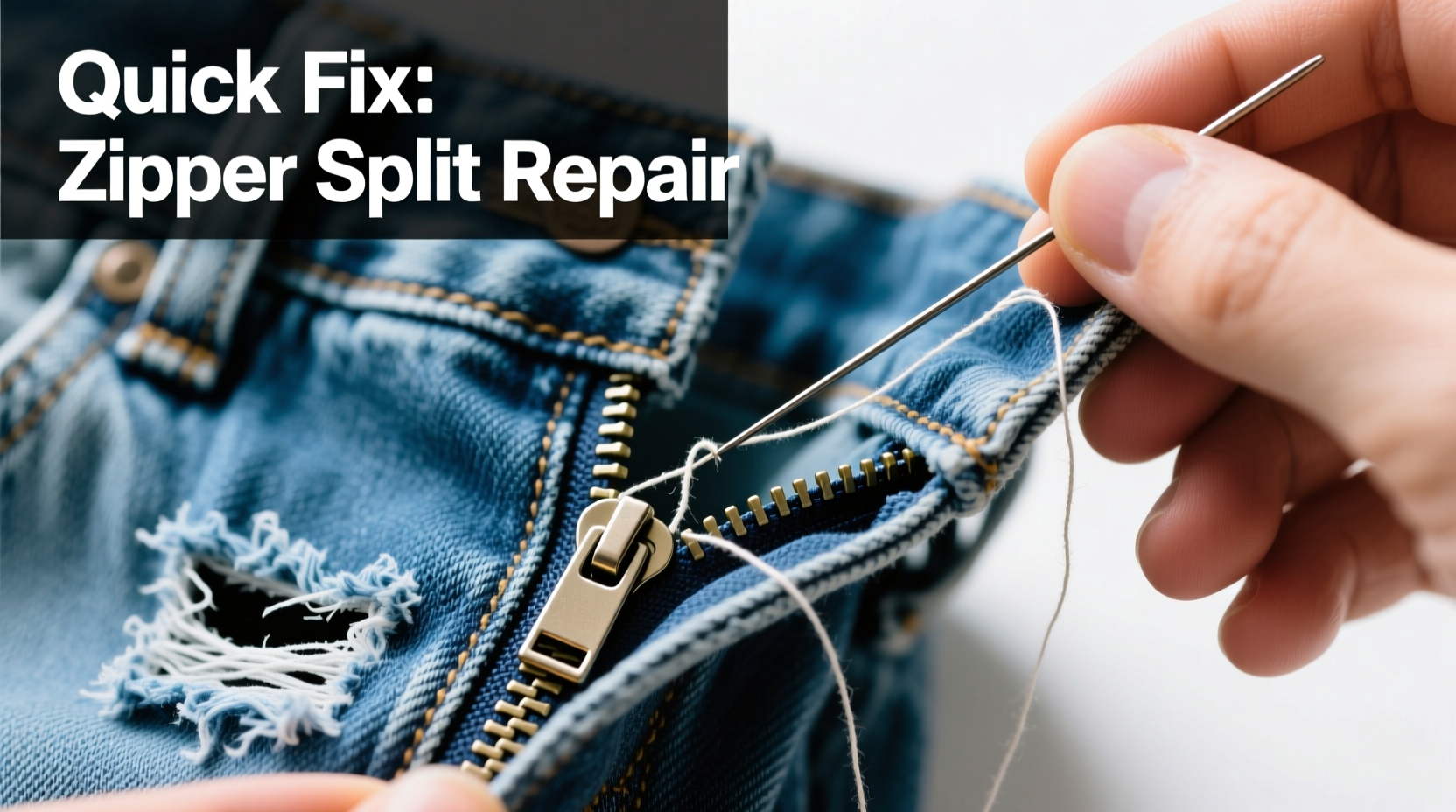
Zippers fail for several reasons: worn teeth, misaligned tracks, loose sliders, or fabric stress at the top stop. However, not every malfunction requires a full replacement. In many cases, the slider still functions but has lost tension or alignment. The real issue isn't broken parts—it's mechanical slippage caused by wear or looseness.
Replacing the entire zipper assembly is time-consuming and risks damaging the jeans, especially if they’re vintage or have special stitching. A better approach is diagnosing the root cause and applying a targeted fix. Often, tightening the slider or reinforcing the top stop is enough to stop the zipper from splitting.
“Most zipper issues in denim stem from metal fatigue or loosening over time, not catastrophic failure. A small adjustment can restore months of use.” — Lena Ruiz, Garment Repair Technician with 15+ years in textile restoration
Step-by-Step Guide: Fixing a Split Zipper Without Replacing the Slider
The following method stabilizes the zipper by adjusting the existing slider and reinforcing the closure point. This process takes 10–20 minutes and uses common household tools.
- Assess the Damage: Fully zip the jeans and observe where the split begins. If it starts near the top, the problem is likely a weak top stop or loose slider. If it splits mid-way, check for missing or bent teeth.
- Gather Your Tools: You’ll need needle-nose pliers (preferably smooth-jawed), a flathead screwdriver, a lighter (for nylon zippers), and optionally, a drop of fabric glue.
- Test Slider Tension: Slide the zipper up and down. If it feels wobbly or gaps open under light pressure, the slider jaws are too wide. This is the most common cause of splitting.
- Compress the Slider Slightly: Position the slider in the middle of the track. Using needle-nose pliers, gently squeeze the sides of the slider toward the center. Apply even pressure—just enough to reduce internal width by 0.2–0.5mm. Over-squeezing can jam the slider.
- Check Movement After Adjustment: Test the zipper. It should glide smoothly but resist pulling apart. If it sticks, ease off the pressure slightly.
- Reinforce the Top Stop: If the split starts right at the top, the metal stop may be loose or damaged. Use pliers to gently pinch the top stop (the small metal piece where the slider stops) to make it wider and block backward movement.
- Seal Nylon Zipper Ends (if applicable): On coil zippers, the end tips can fray. Melt the very tip with a lighter for one second to re-form a stop bead. Let cool before testing.
- Optional: Add Fabric Glue for Stability: Apply a tiny drop of flexible fabric glue (like Aleene’s) at the base of the top stop to prevent loosening from vibration. Avoid getting glue inside the slider mechanism.
Alternative Methods When Compression Isn’t Enough
If adjusting the slider doesn’t solve the issue, consider these supplementary fixes that don’t require removing the slider.
Using a Keyring or Pull Tab as a Locking Aid
A creative workaround involves threading a small keyring or split ring through the zipper pull and attaching it to a nearby button or belt loop. This creates tension that prevents the slider from creeping downward. While not invisible, it’s effective for daily wear and fully reversible.
Sewing a Manual Stop
If the top stop is missing or broken, you can sew a new one by hand. Thread a heavy-duty needle with waxed polyester thread and create a few tight bar tacks across the zipper tape just above where the slider stops. This acts as a physical barrier preventing the slider from disengaging.
- Use backstitching for durability.
- Keep stitches narrow to avoid interfering with the slider path.
- Wax the thread to resist moisture and fraying.
Installing a Chin Strap Clip (Temporary Field Fix)
In urgent situations—say, during travel—a micro chin strap clip (used in outdoor gear) can clamp the two sides of the zipper together below the slider. This mimics a double-slider setup and prevents gaping. It’s discreet when worn under a shirt and removes easily.
| Method | Tools Needed | Permanence | Best For |
|---|---|---|---|
| Slider Compression | Pliers, screwdriver | Long-term | Loose sliders on metal or coil zippers |
| Top Stop Reinforcement | Pliers, optional glue | Durable | Splits starting at the top |
| Sewn Stop Bar | Needle, thread, thimble | Permanent | Missing or broken top stops |
| Keyring Lock | Keyring, pliers | Temporary/Removable | Quick fix for weak sliders |
| Chin Strap Clip | Clip (10–15mm) | Immediate/Removable | Emergency situations |
Mini Case Study: Reviving a Beloved Pair of Raw Denim
Mark, a graphic designer in Portland, relied on a pair of raw selvedge jeans for nearly two years. After frequent washing and long commutes, the zipper began splitting within six months of daily use. He tried sewing a button underneath as a backup closure, but it strained the fabric. Instead of retiring them, he applied the slider compression technique.
Using smooth-jawed pliers, he gently squeezed the brass slider twice—once on each side—reducing its internal clearance. He then reinforced the top stop with a firm pinch and added a drop of flexible adhesive. The jeans have remained functional for another ten months with no further issues. “I was ready to donate them,” he said. “Now they’re my go-to work pants again.”
Do’s and Don’ts of DIY Zipper Repair
To ensure your repair lasts and doesn’t damage the garment, follow these guidelines:
| Do | Don’t |
|---|---|
| Test the zipper after each adjustment | Over-tighten the slider—this can jam it permanently |
| Use smooth-jawed pliers to avoid scuffing metal | Apply super glue—rigid adhesives crack under stress |
| Reinforce the top stop if the split starts at the top | Ignore fabric strain—if the fly is stretched, patch the underlying layer |
| Wash jeans inside out to reduce zipper wear | Force a stuck slider—disassembly may be needed |
| Store jeans unzipped to relieve tension | Assume all zipper issues require professional repair |
Frequently Asked Questions
Can I fix a plastic zipper the same way as a metal one?
Not exactly. Plastic coil zippers (common in stretch denim) shouldn’t be compressed with pliers, as they can crack. Instead, focus on reinforcing the top stop or sewing a manual barrier. For coil types, melting the end slightly with a lighter can prevent unraveling.
What if the slider won’t stay closed even after tightening?
If the slider continues to separate, the internal spring or pawl may be worn out. In such cases, a temporary solution is to insert a thin folded piece of aluminum (from a soda can) into the slider body to increase friction. Trim carefully and insert from the open side of the pull tab.
How long will a repaired zipper last?
A properly adjusted zipper can last anywhere from several months to over a year, depending on usage and fabric condition. Jeans worn daily may require re-tightening every 4–6 months. Regular inspection helps catch loosening early.
Checklist: Quick Zipper Split Repair
Follow this checklist to efficiently diagnose and fix a splitting zipper:
- ✅ Inspect where the split begins (top, middle, bottom)
- ✅ Check for missing or bent zipper teeth
- ✅ Test slider for side-to-side wobble
- ✅ Gently compress slider with smooth pliers
- ✅ Reinforce the top stop with pliers
- ✅ Test zipper function after each step
- ✅ Apply fabric glue to top stop if needed
- ✅ Consider a keyring lock for added security
- ✅ Avoid over-stressing the repair during first few wears
Conclusion: Extend the Life of Your Jeans with Smart Fixes
A splitting zipper doesn’t have to mean the end of your favorite jeans. With a clear understanding of how zippers fail and the right techniques, you can often restore reliable function without replacing the slider. These repairs take little time, cost nothing, and keep clothes out of landfills—making them practical, sustainable, and empowering.




 浙公网安备
33010002000092号
浙公网安备
33010002000092号 浙B2-20120091-4
Comments
No comments yet. Why don't you start the discussion?