
A zipper splitting open at the most inconvenient moment is more than just frustrating—it can ruin an outfit, delay travel plans, or leave you scrambling for a quick fix. Whether it’s on a winter coat, a backpack, or a pair of jeans, a separated zipper doesn’t always mean the item is beyond repair. In many cases, the issue stems from a misaligned slider, a worn stopper, or a missing pull tab. With the right tools and techniques, most zipper problems can be resolved at home in under 30 minutes.
This guide walks through common causes of zipper separation, effective DIY fixes, and when it’s time to call a professional. From temporary field repairs to permanent solutions, you’ll learn how to restore functionality and extend the life of your garments and gear.
Why Zippers Split Open: Common Causes
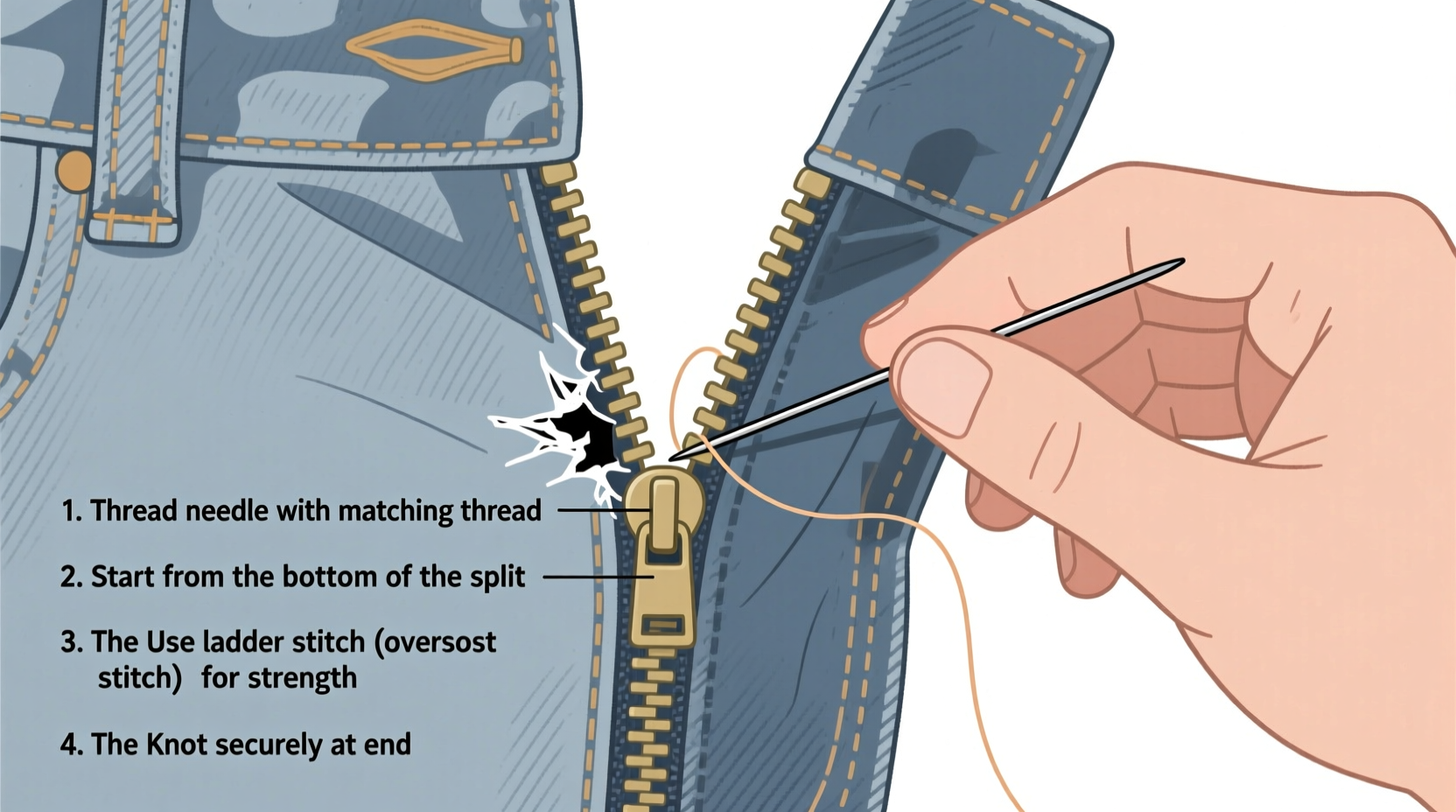
Zippers fail for a variety of reasons, often due to wear and tear or mechanical misalignment. Understanding the root cause helps determine the best repair method.
- Slider Misalignment: The slider—the part that moves up and down—can become loose or bent, preventing it from properly interlocking the teeth.
- Missing or Damaged Stopper: The small metal or plastic piece at the bottom (or top) of the zipper stops the slider from coming off. If it breaks or wears down, the slider can slide off entirely.
- Worn or Broken Teeth: Over time, zipper teeth can bend, break, or separate, especially on fabric-based zippers like those on jackets or tents.
- Pull Tab Detachment: If the pull tab comes off, the slider may still work, but without leverage, it's nearly impossible to operate.
- Fabric Strain: Stress from over-pulling or tight fits can force the two sides apart, especially if the zipper tape is weak or poorly stitched.
Step-by-Step Guide to Fix a Separated Zipper
Before replacing the entire zipper, try these proven methods to reattach and stabilize a split zipper. These steps apply to standard coil, molded, and metal zippers commonly found on clothing, luggage, and outdoor gear.
- Assess the Damage
Check whether the slider is still attached and functional. If the zipper is fully separated but the slider remains intact, realignment is likely possible. If the slider has fallen off or the teeth are broken, further intervention is needed. - Realign the Teeth
Lay the item flat and gently push the two rows of teeth together by hand. Use tweezers or needle-nose pliers to help align stubborn sections. Ensure no teeth are bent sideways or missing. - Slide the Slider Back On (If Detached)
If the slider came off completely:- Place both zipper tapes into the slider’s opening.
- Use pliers to gently squeeze the slider closed around the teeth.
- Slowly move the slider upward to test alignment.
- Secure a Loose Slider
A loose slider won’t grip the teeth tightly. To tighten:- Position the slider near the middle of the zipper.
- Use smooth-jawed pliers to gently compress the slider from the top.
- Test movement—apply pressure incrementally until the slider holds the teeth snugly.
- Reinforce the Bottom Stopper
If the slider keeps slipping off, recreate the stopper:- Move the slider to the bottom end.
- Wrap thread tightly around the base of the zipper where the slider stops.
- Sew a few stitches through the tape to create a new barrier.
Quick Fixes for Emergency Situations
Sometimes you need a fast solution—like when your coat splits during a commute or your suitcase opens mid-flight. These temporary fixes can get you through the day.
| Method | How-To | Duration |
|---|---|---|
| Keyring or Paperclip | Thread a small keyring or unbent paperclip through the hole in the slider. Close the zipper and hook it to a button or loop. | Short-term (hours) |
| Safety Pin | Pin the two sides together below the zipper to prevent further separation. | Immediate relief |
| Zip Tie | Insert a small zip tie through the pull tab or around the slider to lock position. | Medium-term (1–2 days) |
| Clear Nail Polish | Apply to fraying zipper tape or weak stitching to prevent further unraveling. | Preventative, not structural |
When to Replace the Zipper Entirely
Some damage is beyond repair. Attempting to fix a severely compromised zipper can waste time and risk damaging the surrounding fabric. Consider full replacement if:
- Multiple teeth are missing or melted (common in nylon zippers).
- The slider is cracked or cannot be realigned.
- The zipper tape is torn or detached from the garment.
- The slider jams repeatedly even after tightening.
Replacing a zipper requires basic sewing skills and the correct replacement size. Match the length, tooth type (metal, coil, or plastic), and slider style. Hand-sewing works for light-duty items; heavy coats or luggage may require a sewing machine with a zipper foot.
“Many people replace entire garments because they assume zipper repair isn’t worth the effort. But a skilled fix can restore 95% of the original function at a fraction of the cost.” — Daniel Ruiz, Tailor & Textile Repair Specialist
Mini Case Study: Fixing a Winter Jacket Zipper
Marissa noticed her favorite ski jacket wouldn’t stay closed during a weekend trip. The zipper kept popping open below the chest level. She inspected it and found the slider was slightly loose and the bottom stopper had worn down.
At her hotel, she used a pair of tweezers and a butter knife (as a makeshift anvil) to gently compress the slider. After realigning the teeth and tightening the mechanism, the zipper stayed closed. To prevent recurrence, she sewed a small thread stopper at the base once home. The jacket lasted two more seasons without issue.
This example shows how understanding basic zipper mechanics can prevent unnecessary replacements—even in high-stress environments.
Checklist: How to Fix a Split Zipper
Follow this checklist to systematically address a separated zipper:
- ☐ Inspect the zipper for visible damage (teeth, slider, stopper).
- ☐ Manually realign the two sides of the zipper track.
- ☐ Reattach the slider if it has come off.
- ☐ Tighten the slider using smooth pliers.
- ☐ Reinforce or recreate the bottom stopper with thread or glue.
- ☐ Test the zipper slowly—don’t force it.
- ☐ Apply zipper wax or lubricant for smoother operation.
- ☐ If repair fails, prepare for zipper replacement.
Do’s and Don’ts of Zipper Maintenance
| Do’s | Don’ts |
|---|---|
| Use zipper wax or a graphite pencil to lubricate stiff zippers. | Force a stuck zipper—this often worsens misalignment. |
| Close zippers before washing clothes to reduce strain. | Use oil-based lubricants like WD-40 on fabric zippers—they can stain and degrade materials. |
| Store bags and jackets with zippers partially open to relieve tension. | Overstuff zipped compartments, which increases stress on the track. |
| Inspect zippers seasonally for early signs of wear. | Ignore a wobbly slider—it will lead to separation. |
FAQ: Common Questions About Zipper Repairs
Can I fix a zipper without tools?
Yes, in some cases. If the slider is still on and the teeth are aligned, you may be able to gently coax it back into place with your fingers. For temporary fixes, a paperclip or keyring can act as a manual lock. However, lasting repairs usually require pliers, thread, or adhesive.
Why does my zipper keep separating even after fixing it?
Recurrent separation usually means the slider hasn’t been tightened enough or the stopper isn’t secure. It could also indicate worn teeth that no longer interlock properly. If tightening and re-stopping don’t work, the zipper likely needs replacement.
Is it worth repairing an old zipper on a vintage item?
Absolutely. Vintage garments often have unique zippers that are difficult to replace. Preserving the original hardware maintains authenticity and value. Many tailors specialize in delicate zipper restoration for heirloom pieces.
Conclusion: Save Your Gear with Smart Zipper Care
A zipper that splits open doesn’t have to spell the end for your favorite jacket, bag, or pair of pants. Most issues stem from simple mechanical failures that can be corrected with patience and the right approach. Whether you’re tightening a loose slider, recreating a stopper, or applying a temporary field fix, these techniques empower you to take control of everyday wardrobe challenges.
Regular maintenance—like lubricating sliders, checking for wear, and avoiding excessive strain—goes a long way in preventing future failures. And when repairs aren’t enough, knowing when to replace a zipper can save money and reduce waste.




 浙公网安备
33010002000092号
浙公网安备
33010002000092号 浙B2-20120091-4
Comments
No comments yet. Why don't you start the discussion?