
A lingering burnt smell in your microwave can be more than just unpleasant—it can taint the taste of your food and make your entire kitchen feel less inviting. Whether you overheated popcorn, forgot about leftovers, or experienced a minor cooking accident, the truth is that most microwaves will eventually face this issue. The good news? You don’t need harsh chemicals or expensive products to fix it. With everyday ingredients already in your pantry, you can eliminate odors and restore freshness quickly and safely.
This guide walks you through proven, no-fuss methods to remove burnt smells from your microwave. From steam-based deep cleans to natural deodorizers, these solutions are effective, eco-friendly, and accessible. Follow along to learn how to clean your microwave thoroughly and keep it smelling neutral and clean after every use.
Why Microwaves Develop Burnt Smells
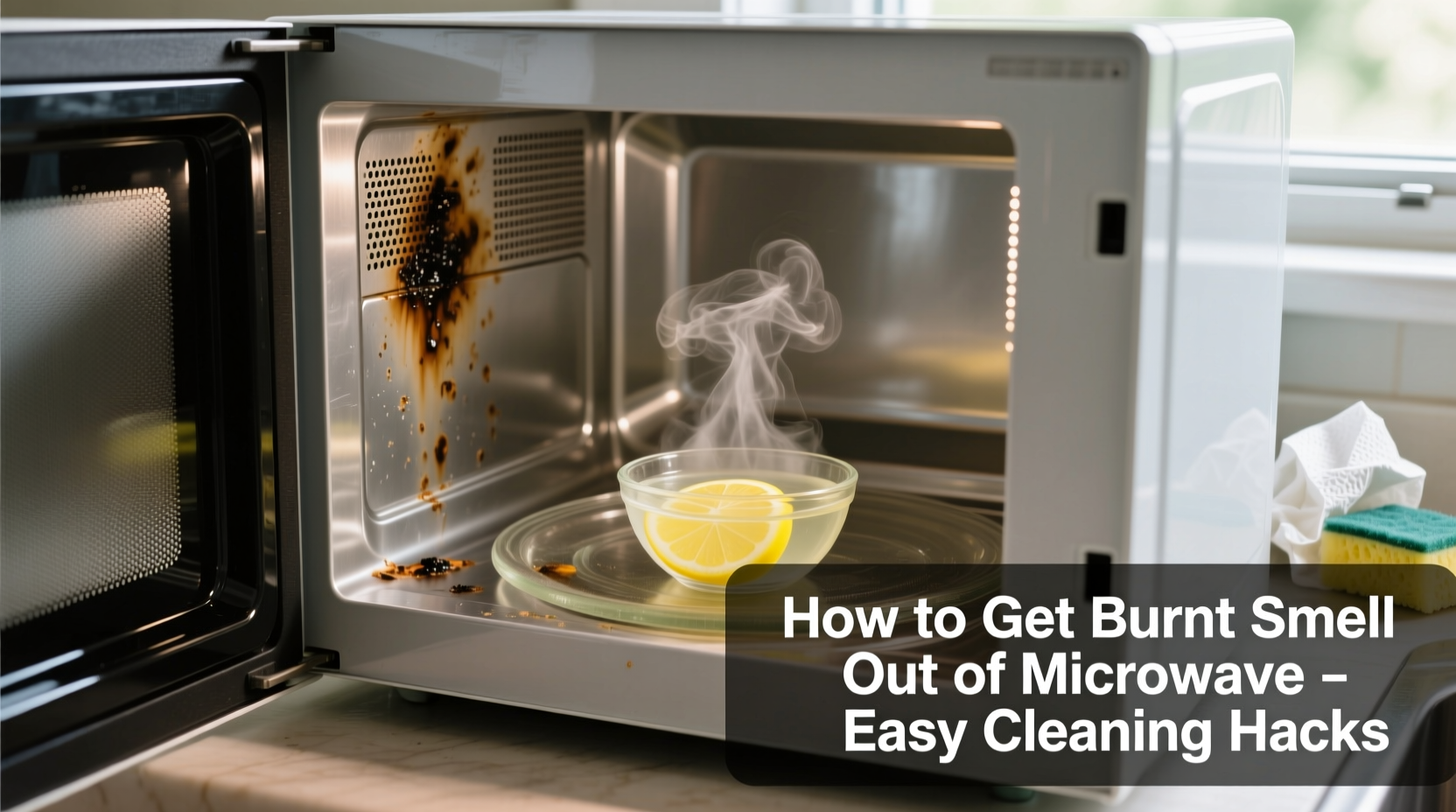
The enclosed environment of a microwave traps heat and moisture, making it ideal for cooking but also prone to odor buildup. When food splatters or overheats, organic particles bake onto the interior walls, ceiling, and turntable. As these residues continue to heat during subsequent uses, they release volatile compounds that produce that unmistakable burnt odor.
Common causes include:
- Overheating oily or sugary foods (e.g., sauces, jam, butter)
- Burning popcorn or ready meals
- Spilled liquids that weren’t wiped immediately
- Leftover food debris stuck in crevices or under the turntable
If not addressed promptly, these residues harden over time, making them harder to clean and increasing the risk of persistent smells. Regular maintenance prevents long-term damage and ensures your microwave operates efficiently and hygienically.
Step-by-Step Guide: Steam Cleaning with Vinegar and Water
Steam cleaning is one of the most effective ways to loosen baked-on grime and neutralize odors. The combination of heat and acidity breaks down residue while eliminating bacteria and smells. Here’s how to do it:
- Mix the solution: Combine 1 cup of water with 1/2 cup of white vinegar in a microwave-safe bowl. The acetic acid in vinegar helps dissolve grease and counteracts odor-causing molecules.
- Heat the mixture: Place the bowl in the center of the microwave. Run on high for 5 minutes, or until the mixture boils and steam coats the interior. Keep an eye on it—don’t let it boil dry.
- Let it sit: After the cycle ends, leave the door closed for another 5–10 minutes. This allows the steam to soften stubborn stains and dislodge odor particles.
- Wipe down the interior: Carefully remove the bowl (it will be hot). Use a damp microfiber cloth or sponge to wipe all surfaces—walls, ceiling, door, and control panel. The softened grime should come off easily.
- Clean the turntable: Remove the glass tray and wash it separately with warm soapy water. Dry thoroughly before replacing.
- Deodorize: Wipe the inside again with a cloth dipped in a mix of water and lemon juice for a fresh scent.
This method works especially well for microwaves with heavy residue or recurring smells. For best results, repeat weekly if used frequently.
Natural Alternatives That Work Fast
Not everyone keeps vinegar on hand, and some prefer gentler scents. Fortunately, several kitchen staples double as powerful odor removers without leaving behind chemical fumes.
Lemon and Water Steam Method
Slice one lemon into quarters and drop them into a bowl of 1 cup of water. Microwave on high for 3–4 minutes until steaming. Let sit for 10 minutes, then wipe clean. Lemon’s citric acid cuts through grease and leaves a bright, clean fragrance.
Baking Soda Paste for Stubborn Spots
For areas where burnt food has carbonized, mix 2 tablespoons of baking soda with a few drops of water to form a paste. Apply directly to stained spots, let sit for 5 minutes, then gently scrub with a soft sponge. Rinse with a damp cloth. Baking soda is mildly abrasive and alkaline, making it excellent for lifting charred particles without scratching surfaces.
Coffee Grounds for Absorbing Lingering Odors
After cleaning, place a small bowl of dry coffee grounds inside the microwave overnight. Coffee is a natural odor absorber and helps pull residual smells from crevices. Discard the grounds in the morning and run a quick steam cycle with water to refresh.
Do’s and Don’ts of Microwave Cleaning
| Do’s | Don’ts |
|---|---|
| Use microwave-safe containers for cleaning solutions | Use bleach or ammonia-based cleaners (they react dangerously with heat) |
| Cover food to prevent future spills | Ignore small spills—residue builds up fast |
| Unplug the microwave before deep cleaning (if possible) | Submerge the unit in water or spray directly into vents |
| Wipe seals and edges around the door regularly | Use sharp tools to scrape off burnt food |
| Leave a box of baking soda inside when not in use to absorb odors | Run empty cycles to “burn off” smells—this often makes things worse |
Mini Case Study: How Sarah Fixed Her Office Microwave
Sarah, an administrative assistant at a busy law firm, noticed her office microwave had developed a persistent burnt popcorn smell. Colleagues complained it affected the taste of their lunches. She tried wiping it down weekly, but the odor returned within days.
She decided to try the vinegar steam method one Friday afternoon. After heating the vinegar-water mix and letting it sit, she was surprised by how much gunk came off with minimal effort. She followed up with a lemon-water steam the next week for freshness. To maintain results, she placed an open box of baking soda inside the microwave (when not in use) and posted a polite reminder near the appliance: “Please cover your food.”
Within two weeks, complaints stopped. The microwave stayed cleaner longer, and coworkers even commented on how pleasant the kitchen smelled. Sarah’s proactive approach saved the office from replacing an otherwise functional appliance.
“Odor prevention starts with daily habits. A 30-second wipe-down after messy meals can save you 30 minutes of deep cleaning later.” — Dr. Lena Torres, Home Appliance Hygiene Specialist
Preventive Habits for Long-Term Freshness
Eliminating a burnt smell is important, but preventing it from returning is what keeps your kitchen truly clean. Incorporate these habits into your routine:
- Wipe after each use: Keep a microfiber cloth nearby and do a quick pass after cooking messy or pungent foods.
- Use covers: Microwave-safe lids or wax paper prevent splatters and trap steam, improving cooking efficiency.
- Deep clean monthly: Even if it looks clean, perform a vinegar or lemon steam treatment once a month to reset freshness.
- Inspect hidden areas: Check under the turntable and around the door seal periodically. Food debris often accumulates there unnoticed.
- Replace worn parts: If the turntable or roller ring is cracked or discolored, replace it—old plastic can harbor odors permanently.
Frequently Asked Questions
How long does it take to remove a burnt smell from a microwave?
Most methods take 10–15 minutes of active work, plus sitting time for steam to work. Strong odors may require two rounds of cleaning or an overnight odor absorber like baking soda. With consistent care, the smell should disappear within 24 hours.
Can I use commercial cleaners like Windex or Lysol wipes?
It’s not recommended. Many commercial sprays contain ammonia or alcohol, which can degrade internal coatings or leave harmful residues when heated. Stick to natural options like vinegar, lemon, or baking soda for safety.
What if the smell is coming from the exterior or vents?
Exterior odors usually mean food has leaked into ventilation slots. Dampen a cotton swab or soft brush and gently clean around the vents. Avoid getting moisture inside the electrical components. For persistent smells, unplug the unit and consult the manufacturer’s manual for safe external cleaning procedures.
Checklist: Quick Microwave Deodorizing Routine
Follow this checklist whenever you detect a burnt smell:
- Remove turntable and wash with warm, soapy water ✅
- Mix 1 cup water + 1/2 cup vinegar in a microwave-safe bowl ✅
- Heat on high for 5 minutes until steaming ✅
- Let sit for 10 minutes with door closed ✅
- Wipe all interior surfaces with a soft cloth ✅
- Rinse with a water-lemon juice mix for freshness ✅
- Dry completely before resuming use ✅
- Place a small bowl of baking soda inside to absorb lingering odors overnight ✅
Conclusion
Getting rid of a burnt smell in your microwave doesn’t require special tools or toxic chemicals. Simple household ingredients like vinegar, lemon, and baking soda are not only effective but also safer for your health and the environment. By understanding how odors develop and adopting a few smart cleaning habits, you can keep your microwave fresh, hygienic, and functioning optimally for years.
Start with a thorough steam cleaning today, then commit to small preventive actions—covering food, wiping spills, and scheduling monthly refreshes. These steps take minutes but deliver lasting benefits. Your kitchen will smell cleaner, your food will taste better, and you’ll avoid unnecessary appliance replacements.




 浙公网安备
33010002000092号
浙公网安备
33010002000092号 浙B2-20120091-4
Comments
No comments yet. Why don't you start the discussion?