
A lingering burnt odor in your microwave isn’t just unpleasant—it can transfer to your food and make the kitchen feel unclean. Whether you overheated popcorn, forgot a meal too long, or accidentally melted something plastic, the result is often the same: a stubborn stench that seems impossible to eliminate. The good news? You don’t need harsh chemicals or expensive products. With simple ingredients already in your pantry and a few smart techniques, you can neutralize the smell quickly and restore freshness to your appliance.
This guide walks through proven, science-backed methods that target odor-causing particles at their source. From steam-based cleansers to natural deodorizers, these hacks are safe for daily use and compatible with most microwave models. No more masking smells with air fresheners—this is about real, lasting removal.
Why Burnt Smells Linger in Microwaves
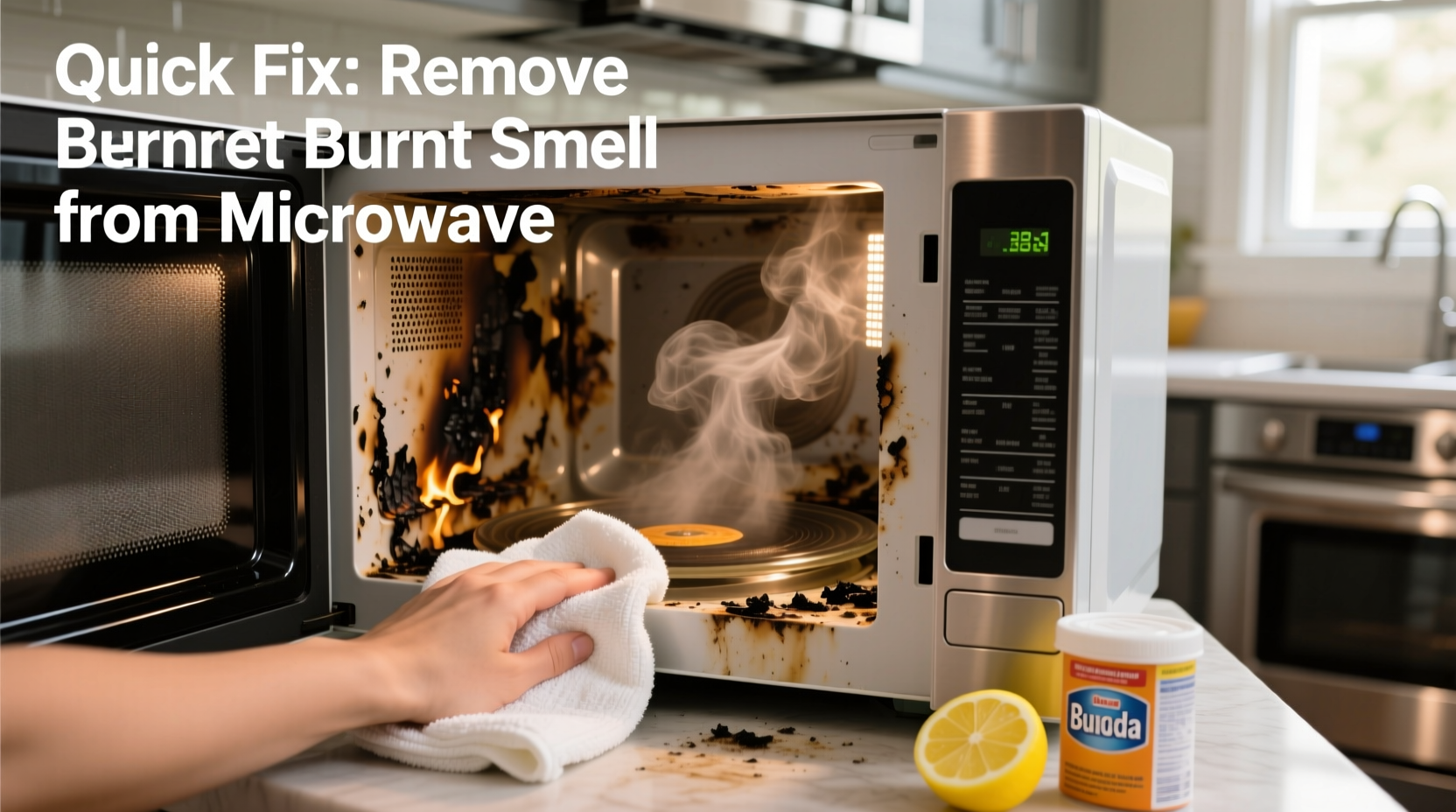
Microwaves trap heat and moisture, creating an environment where odor molecules embed into interior surfaces. When food burns, it releases volatile organic compounds (VOCs) that cling to plastic, glass, and crevices around the door seal. Over time, repeated exposure builds up residue that reheats and re-releases smells every time you use the appliance.
The key to eliminating these odors isn’t just wiping down the surface—it’s breaking down the compounds through steam, acidity, or absorption. That’s why methods involving vinegar, lemon, baking soda, and steam are so effective: they alter the pH of the environment or loosen grime at a molecular level.
“Odors in enclosed appliances like microwaves persist because heat cycles reactivate trapped particles. Neutralizing them requires both cleaning and deodorizing.” — Dr. Lena Patel, Indoor Air Quality Specialist
Step-by-Step Guide: The 10-Minute Steam Clean Method
Steam is one of the fastest ways to loosen burnt-on residue and release trapped odors. This method uses water and acid to create a cleaning vapor that penetrates every corner of your microwave.
- Prepare the solution: Fill a microwave-safe bowl with 1 cup of water and add 2 tablespoons of white vinegar or the juice of one lemon.
- Heat on high: Place the bowl in the center of the microwave and run it on high for 5 minutes. The mixture will begin to boil and produce steam.
- Let it sit: After the timer stops, leave the door closed for another 5 minutes. This allows the steam to soften stuck-on grime and begin neutralizing odor molecules.
- Wipe thoroughly: Open the door carefully (steam will be hot), remove the bowl, and use a damp microfiber cloth to wipe all interior surfaces—ceiling, walls, turntable, and door seals.
- Dry and ventilate: Leave the door open for 10–15 minutes to air out any remaining moisture and ensure complete drying.
Natural Deodorizing Agents That Work Fast
After cleaning, residual odors may still linger. These natural agents absorb or chemically break down remaining scent particles without introducing synthetic fragrances.
- Baking soda: A natural odor absorber. Place an open bowl of baking soda inside the microwave overnight. It pulls in volatile molecules like a sponge.
- Lemon slices: Citric acid cuts through grease and leaves a fresh scent. Arrange a few slices on a plate and microwave on high for 1–2 minutes (with water underneath to prevent burning).
- Coffee grounds: Used coffee grounds are excellent at absorbing strong odors. Put a small bowl inside for 2–3 hours while the microwave sits idle.
- Vanilla extract: Mix 1 tablespoon of pure vanilla with ½ cup of water. Heat for 1 minute, then let sit. Leaves a warm, clean aroma behind.
Unlike artificial sprays, these materials don’t just mask smells—they actively reduce the concentration of odor-causing compounds in the air and on surfaces.
Do’s and Don’ts When Cleaning a Smelly Microwave
| Do’s | Don’ts |
|---|---|
| Use vinegar or lemon for natural disinfecting and deodorizing | Use abrasive scrubbers that can scratch plastic interiors |
| Allow steam to sit before wiping to loosen grime | Mix bleach with vinegar—this creates toxic fumes |
| Leave a bowl of baking soda inside between uses | Ignore the door seal and hinges—these trap odor particles |
| Clean spills immediately after they happen | Run an empty microwave—can damage magnetron and cause fire risk |
Real Example: How Sarah Fixed Her Week-Old Burnt Popcorn Smell
Sarah, a busy teacher from Portland, left a bag of buttery popcorn in her microwave for 4 minutes too long. The next day, every time she reheated her lunch, it tasted faintly smoky. She tried wiping the interior with soapy water, but the smell returned instantly when heated.
She followed the steam method using lemon juice and water, ran two cycles, and then placed an open box of baking soda inside overnight. By morning, the microwave smelled clean. “I was shocked how well it worked,” she said. “Now I do a quick steam clean every Sunday, even if there’s no visible mess.”
Her experience highlights a key principle: proactive maintenance prevents deep-set odors. Regular light cleaning takes less than five minutes and avoids the need for intensive fixes later.
Alternative Quick Fixes for Immediate Relief
If you’re in a hurry and need to use the microwave right away, try these faster options:
- Toasted bread trick: Place a slice of plain bread on the turntable and microwave for 30 seconds. The porous structure absorbs surface odors quickly.
- Essential oil wipe: Dampen a cloth with water and 2–3 drops of tea tree or eucalyptus oil. Wipe interior surfaces. These oils have natural antimicrobial properties and help neutralize smells.
- Instant steam boost: Combine ½ cup water with 1 teaspoon of dish soap in a bowl. Heat for 2 minutes. The suds lift grease while steam loosens debris.
When to Deep Clean Beyond the Odor
Sometimes, a persistent burnt smell indicates deeper buildup. If the odor returns within hours of cleaning, inspect these areas:
- Turntable ring and roller guide: Remove the glass tray and wash it separately. Use a toothbrush to scrub the track underneath where food splatter collects.
- Ventilation slots: Located on the sides or top, these can harbor burnt particles. Gently vacuum with a brush attachment or wipe with a cotton swab.
- Door gasket: The rubber seal around the door traps grease and crumbs. Clean with a vinegar-soaked cloth, then dry thoroughly to prevent mold.
For microwaves older than two years or used heavily, consider a monthly deep clean—even if no smell is present. This extends the appliance’s lifespan and maintains hygiene.
Checklist: Quick Microwave Odor Removal Routine
Follow this checklist whenever a burnt smell occurs:
- Unplug the microwave for safety (optional but recommended).
- Remove all removable parts (turntable, roller ring).
- Wash components in warm, soapy water.
- Perform a 10-minute steam clean with vinegar or lemon.
- Wipe down all interior surfaces, including ceiling and door edges.
- Rinse cloth and wipe again to remove cleaning residue.
- Place a bowl of baking soda or coffee grounds inside for 1–2 hours.
- Wipe once more and allow to air dry completely.
- Test by heating a cup of plain water—no odor should remain.
Frequently Asked Questions
Can I use commercial cleaners in my microwave?
You can, but many contain chemicals that may leave residues or off-gas when heated. Stick to natural options like vinegar, baking soda, or mild dish soap unless the product specifically states it’s safe for food-contact appliances.
Why does my microwave still smell after cleaning?
The odor may be coming from hidden areas like the ventilation system or insulation layer behind the walls. If basic cleaning doesn’t work, the unit may need professional servicing—or it could be time for replacement, especially if over 7 years old.
Is it safe to microwave vinegar?
Yes, as long as it’s diluted with water (at least 1:4 ratio). Pure vinegar can become overly acidic when heated and may damage plastic components over time. Always use a microwave-safe container.
Conclusion: Keep Your Microwave Fresh with Smart Habits
Eliminating a burnt smell from your microwave doesn’t require special tools or hours of scrubbing. With steam, acidity, and natural absorption, you can restore freshness in under 15 minutes. The real secret lies not in emergency fixes, but in consistency—quick wipes after spills, weekly steam refreshes, and using odor absorbers between uses.
These habits protect not only the cleanliness of your appliance but also the taste and safety of your food. A fresh microwave means cleaner-tasting meals and a more pleasant kitchen environment. Start today: pick one method, try it now, and make it part of your routine. Your future self won’t have to deal with another mystery burnt smell.




 浙公网安备
33010002000092号
浙公网安备
33010002000092号 浙B2-20120091-4
Comments
No comments yet. Why don't you start the discussion?