
The shift toward remote work has transformed the job market. Companies now hire talent globally, which means more opportunities—but also stiffer competition. Landing a remote role isn’t just about finding an opening; it’s about positioning yourself as the obvious choice in a crowded field. Success comes from strategic preparation, clear communication, and demonstrating reliability before you even step into the role.
Remote hiring managers look beyond technical skills. They assess self-discipline, communication habits, and cultural fit—traits that are harder to evaluate without in-person interaction. That’s why standing out requires a tailored approach. From optimizing your online presence to acing asynchronous interviews, every step of your job search must reflect professionalism and readiness for remote work.
Optimize Your Digital Presence for Remote Hiring
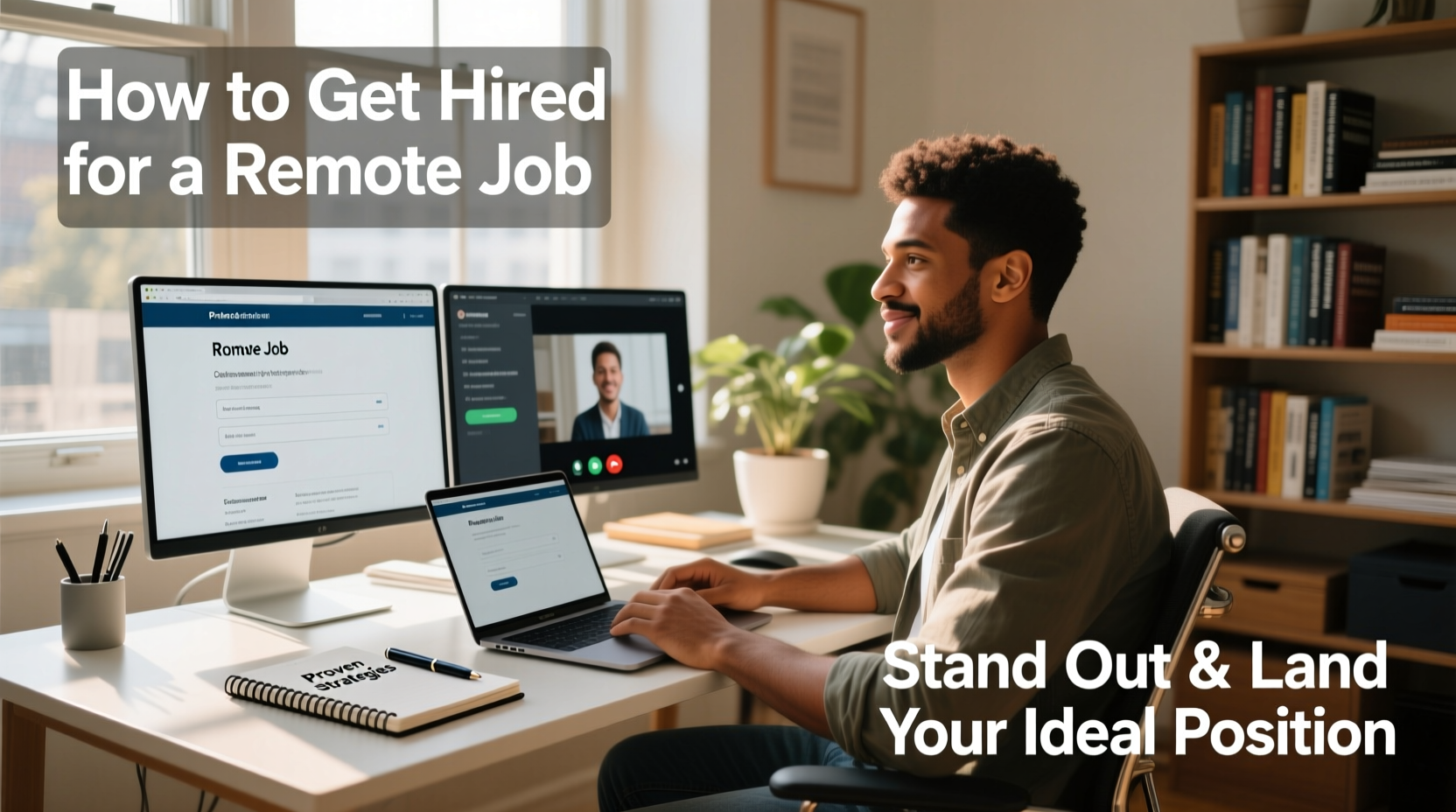
Your digital footprint is often the first impression you make. Recruiters and hiring managers routinely review LinkedIn profiles, personal websites, GitHub repositories, or portfolios before contacting candidates. For remote roles, this scrutiny intensifies because employers rely heavily on digital signals to gauge credibility.
Start by auditing your public profiles. Ensure your LinkedIn headline clearly states your expertise and interest in remote work (e.g., “Full-Stack Developer | Open to Remote Roles”). Use a professional photo, write a concise summary highlighting autonomy and collaboration experience, and list measurable achievements in past roles.
If applicable, maintain an up-to-date GitHub, Behance, or personal blog that showcases your work. Even non-technical roles benefit from visible outputs—content writers can link to published articles, project managers can share case studies, and designers can curate online portfolios.
Master the Remote Application Process
Applying for remote jobs differs from traditional applications. Many companies use asynchronous video interviews, skill assessments, or trial projects instead of immediate phone screens. This means your application must be self-contained and persuasive without real-time clarification.
Tailor each cover letter to emphasize remote-relevant traits: time management, proactive communication, experience with tools like Slack or Asana, and comfort working independently. Avoid generic statements. Instead, say: “In my last role, I coordinated across three time zones using daily Loom updates, reducing meeting load by 40%.”
“Remote teams don’t have the luxury of hallway conversations. We hire people who communicate clearly, anticipate needs, and document their work.” — Sarah Lin, Head of Remote Operations at Flexa Inc.
Remote Job Application Checklist
- Customize resume with remote-friendly keywords (e.g., “asynchronous communication,” “self-directed,” “distributed team”)
- Include links to portfolio, LinkedIn, or GitHub in header
- Write a cover letter focused on autonomy and results
- Submit test assignments with explanations of your process
- Follow up within 5 business days via email
Demonstrate Remote Competence Before You’re Hired
One of the most effective ways to stand out is to prove you’re already operating like a remote employee. This starts with how you engage during the hiring process.
Respond promptly but thoughtfully. If asked to complete a task, submit it early with a brief video walkthrough explaining your decisions. Use tools like Loom, Notion, or Google Docs to show collaboration skills. For example, if submitting a writing sample, include comments explaining research sources or editorial choices.
During interviews, speak confidently about your setup: dedicated workspace, high-speed internet, and familiarity with time-tracking or productivity apps. Mention any prior remote experience—even freelance gigs or volunteer coordination counts.
| Do | Don’t |
|---|---|
| Use headphones and a neutral virtual background | Conduct interviews in noisy public spaces |
| Test your microphone and camera beforehand | Let pets or distractions interrupt the call |
| Reference shared documents during discussion | Speak over others due to audio lag |
| Show enthusiasm through verbal engagement | Remain expressionless or silent for long stretches |
Real Example: How Maya Landed a Remote UX Role
Maya, a mid-level UX designer from Portugal, applied to 27 remote positions over three months with no success. Her resumes were strong, but she wasn’t getting past initial screenings.
She shifted strategy: she redesigned her portfolio to highlight cross-functional collaboration using Figma with distributed teams, added a short video introduction, and began contributing to open-source design systems on GitHub. When applying to a U.S.-based SaaS company, she completed their design challenge and included a 4-minute Loom video walking through her user flow decisions.
The hiring manager later told her, “Your video didn’t just show skill—it showed how you’d fit into our async culture.” She received an offer within a week.
Build Trust Through Trial Projects and Networking
Many remote companies prefer “try before you buy” models. Platforms like We Work Remotely, RemoteOK, and Otta often list roles with paid micro-tasks or short-term contracts. Completing these successfully can lead directly to full-time offers.
Equally important is networking within remote communities. Join Slack groups like Distributed, Remote Year, or Dynamite Jobs. Participate in discussions, share insights, and attend virtual meetups. Referrals from trusted members often bypass applicant tracking systems entirely.
“Over 60% of our remote hires come from community referrals or trial projects. We trust demonstrated work more than resumes.” — Jamal Reed, Talent Lead at NomadX
Step-by-Step: The 30-Day Remote Job Strategy
- Week 1: Audit and upgrade LinkedIn, portfolio, and resume for remote keywords.
- Week 2: Apply to 5–7 curated remote jobs, focusing on quality over quantity.
- Week 3: Complete any assessments with documented processes (e.g., screen recordings, written summaries).
- Week 4: Follow up, request feedback, and join 2 remote-focused communities to expand visibility.
Frequently Asked Questions
How do I explain lack of formal remote experience?
Focus on transferable behaviors: managing deadlines independently, using digital tools for collaboration, or handling client work outside office hours. Freelance, academic, or volunteer projects all count as evidence of self-direction.
Are remote jobs harder to get?
In some ways, yes—competition is global. But many companies struggle to find candidates who communicate well and manage time effectively. By showcasing those soft skills explicitly, you gain an edge even against technically stronger applicants.
Should I accept unpaid trial tasks?
Avoid lengthy unpaid assignments. A 1–2 hour test is reasonable; anything beyond should be compensated. Reputable companies understand that asking for free labor damages their employer brand.
Final Steps: Stay Persistent and Professional
Landing your ideal remote job isn’t a one-shot effort. It’s a campaign of consistent improvement, targeted outreach, and authentic demonstration of your capabilities. Every application teaches you something—refine your materials based on response rates, seek feedback when rejected, and keep engaging with remote-first communities.
Remember, remote hiring favors those who act like remote employees before they’re hired: organized, responsive, and proactive. Treat every interaction as part of your audition. Document your progress, celebrate small wins, and stay focused on roles that align with your values and lifestyle.




 浙公网安备
33010002000092号
浙公网安备
33010002000092号 浙B2-20120091-4
Comments
No comments yet. Why don't you start the discussion?