
For many, a bold red, soft nude, or deep plum lip is the centerpiece of a polished look. But nothing undermines confidence faster than checking your reflection and finding feathered lines, faded color, or lipstick on your coffee cup. Achieving a flawless, long-wearing lip isn’t about luck—it’s about preparation, product selection, and technique. With the right approach, you can maintain vibrant, clean color from morning meetings to evening dinners without constant touch-ups.
The struggle with smudging often stems from skipping foundational steps or using incompatible products. Lips are delicate, highly mobile, and prone to dryness, oil migration, and friction—factors that work against lasting wear. However, by treating the lips as a canvas and layering products strategically, you can lock in pigment for up to 12 hours or more, even through meals and drinks.
Prep Your Lips: The Foundation of Longevity
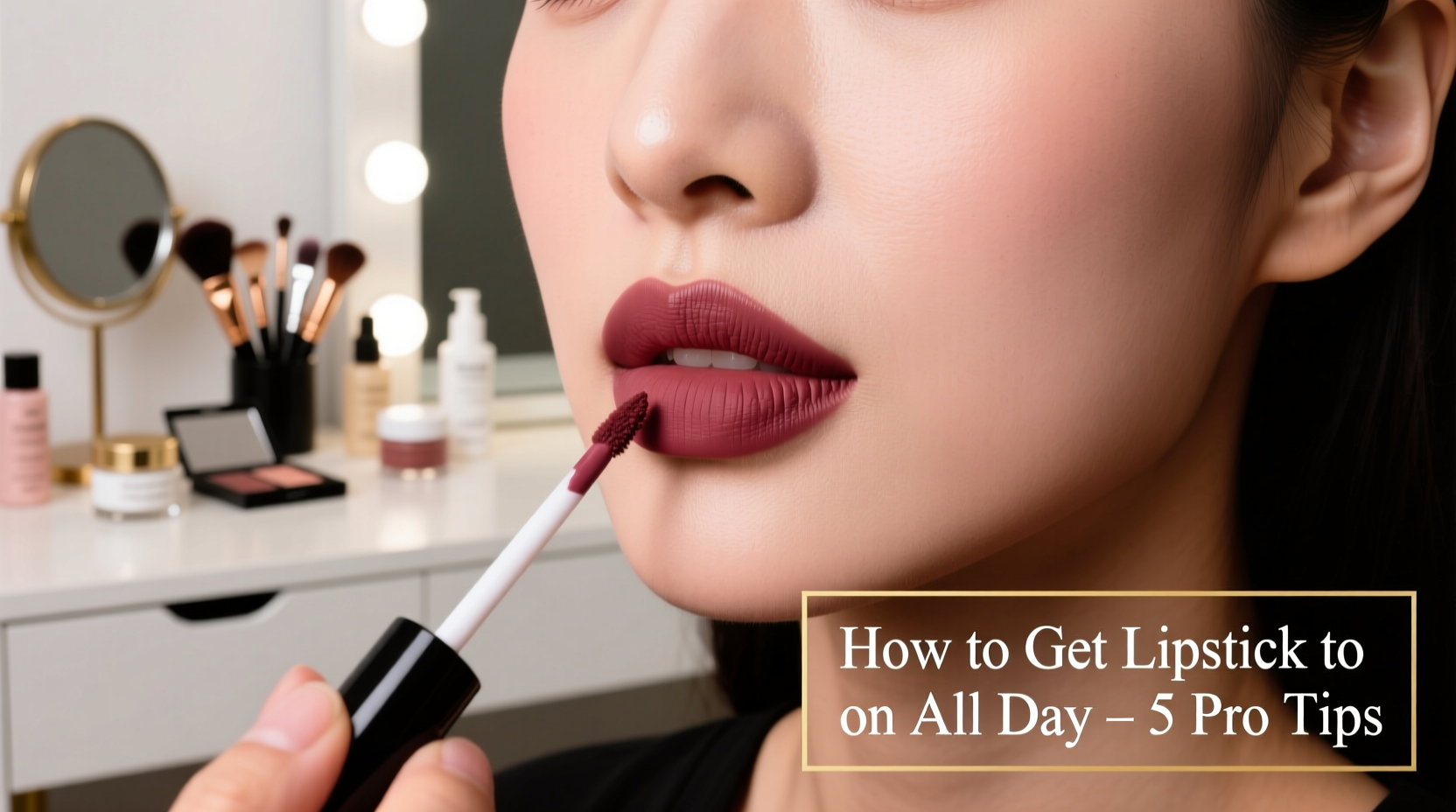
Just as a painter primes a wall before applying paint, your lips need proper prep to hold onto color. Skipping this step invites cracking, uneven application, and premature fading.
Start by gently exfoliating dead skin. Use a soft toothbrush in circular motions or a sugar-based scrub twice weekly. Over-exfoliation can cause irritation, so moderation is key. On daily use days, simply wipe lips with a damp washcloth to remove flakes.
After exfoliation, apply a lightweight, non-greasy balm. Allow it to absorb for two minutes, then blot excess with a tissue. This creates a smooth base without creating a slippery surface that repels pigment.
Avoid heavy oils like petroleum jelly before lipstick unless you're using it in a “reverse” technique (covered later). These can interfere with adhesion, especially for liquid formulas.
Choosing the Right Lipstick Formula
Not all lipsticks are created equal when it comes to staying power. Understanding the differences between formulations helps you pick the right one for all-day wear.
| Formula | Longevity | Smudge Resistance | Best For |
|---|---|---|---|
| Liquid Matte | 8–12 hours | High | All-day events, meals, photos |
| Cream Stick | 4–6 hours | Moderate | Daily wear, office settings |
| Gloss | 1–2 hours | Low | Night outs, short occasions |
| Balm-Tint | 2–3 hours | Very Low | Casual wear, low-maintenance looks |
| Transfer-Proof Liquid | 10+ hours | Very High | Weddings, travel, hot climates |
Liquid lipsticks, particularly those labeled “transfer-proof” or “long-wear,” are engineered to bond with the lip surface. They dry down to a flexible film that resists eating, drinking, and light touching. However, they can feel drying, so proper prep is essential.
Cream formulas offer comfort but require setting. Pair them with a lip liner and powder for improved durability. Glosses and balms, while hydrating, are not practical for extended wear unless used strategically as a top coat after a long-wear base.
“Long-wear lip products have evolved dramatically. Modern transfer-proof formulas use polymer technology to form a breathable, flexible seal on the lips.” — Dr. Lena Park, Cosmetic Chemist & Formulation Specialist
Step-by-Step Guide to Smudge-Proof Lips
Follow this professional technique to maximize hold and prevent migration:
- Exfoliate and moisturize. Remove flakes and hydrate lips. Wait 2 minutes, then blot completely.
- Line your lips precisely. Use a lip liner that matches your lipstick or is slightly darker. Start at the cupid’s bow and outline both upper and lower lips, staying just inside your natural line to prevent bleeding.
- Fill in with liner. Shade in your entire lip. This creates a base layer that grips the lipstick and prevents feathering.
- Apply lipstick carefully. For liquids, use the applicator to deposit color precisely. For bullets, use a lip brush for control. Avoid thick layers—thin, even coats last longer.
- Blot gently. Press a single-ply tissue between your lips to remove excess oil.
- Set with translucent powder. Place another tissue over your lips and dust translucent powder lightly through it. This embeds the pigment and reduces shine that attracts transfer.
- Reapply if needed. For extra intensity, repeat steps 4–6 once more.
This method builds a layered defense against fading and smudging. The liner acts as an anchor, the blotting removes migration-prone oils, and the powder sets the color like a fixative.
Advanced Techniques for Maximum Hold
For high-stakes events or humid environments, consider these pro-level strategies:
The Reverse Balm Technique
Apply a thin layer of petroleum jelly *after* applying lipstick. Yes—after. This counterintuitive method seals the color and prevents moisture loss without breaking down the pigment. Use a fingertip to dab a tiny amount only in the center of the lips where dryness occurs.
Double-Layering Liquids
Apply your liquid lipstick, let it dry fully (about 90 seconds), then apply a second ultra-thin layer. This reinforces the polymer film and enhances opacity without flaking.
Use a Setting Spray (Optional)
Hold a makeup setting spray about 8 inches from your face and close your eyes. A quick mist helps fuse layers and adds environmental protection. Choose alcohol-free formulas to avoid drying.
Strategic Gloss Application
If you want shine without sacrificing wear, skip gloss on the outer edges. Apply only to the center third of the lower lip. This minimizes transfer while adding dimension.
Common Mistakes That Cause Smudging
- Skipping lip liner: Without a barrier, color migrates into fine lines around the mouth.
- Over-applying product: Thick layers crack and peel, especially in cold or dry conditions.
- Eating oily foods: Oil breaks down wax and pigment bonds. Blot lips after greasy meals instead of reapplying immediately.
- Using expired lipstick: Old products lose preservatives and consistency, leading to patchiness and poor adherence.
- Touching your lips: Frequent finger contact transfers pigment and introduces bacteria.
Also, be mindful of skincare ingredients. Retinoids, AHAs, and strong acne treatments can thin the lip skin, making it harder for lipstick to adhere and increasing sensitivity.
Mini Case Study: The Wedding Day Test
Sophia had her wedding in July, outdoors, with a cocktail hour, dinner, dancing, and countless photos. She wanted her deep berry lipstick to last from ceremony to midnight.
She prepped her lips nightly for a week with a sugar scrub and hydrating mask. On the day, she followed the step-by-step guide: lined and filled lips with a brown-toned pencil, applied a transfer-proof liquid lipstick in two thin layers, blotted, and set with powder. She avoided oily foods during dinner and sipped water through a straw.
At 11 PM, she touched up only the center of her lower lip. Photos show crisp, vibrant color throughout the night. Her secret? “I treated my lips like I was painting a masterpiece—not just putting on color.”
Checklist: How to Keep Lipstick From Smudging All Day
- Exfoliate lips 1–2 times per week
- Moisturize daily, blot before lipstick
- Always use a matching lip liner
- Choose long-wear formulas for extended events
- Apply in thin layers, not thick swipes
- Blot and set with translucent powder
- Carry liner and lipstick for touch-ups
- Avoid rubbing or licking lips
- Store lipsticks in a cool, dark place
- Replace products every 12–18 months
Frequently Asked Questions
Can I make a regular lipstick last longer without buying new products?
Yes. Even drugstore cream lipsticks can last 6+ hours with proper prep and setting. Use a lip liner to define and fill, apply in layers, blot between coats, and set with powder through a tissue. Avoid oily foods and reapply only the center after eating.
Why does my lipstick bleed into fine lines?
This happens when lips are dry or when product lacks a defined edge. Always line and fill lips completely. For deeper lines, apply a tiny amount of concealer around the perimeter after lining to create a clean boundary. Also, avoid overly shiny formulas, which highlight texture.
Is it bad to wear long-wear lipstick every day?
Not inherently, but these formulas can be drying. If worn daily, boost hydration at night with a nourishing lip mask or balm containing shea butter, ceramides, or hyaluronic acid. Let your lips breathe on low-key days with tinted balms.
Conclusion: Master the Art of the Lasting Lip
Keeping lipstick in place all day isn’t magic—it’s method. By understanding your lip texture, choosing the right formula, and following a disciplined application process, you can enjoy bold, beautiful color that stays put through conversations, meals, and movement. The key lies in preparation, precision, and patience: treat your lips with care, build your color strategically, and respect the science behind modern cosmetics.
Stop reapplying every hour. Start trusting your technique. With these practices, your lipstick won’t just stay on—it will stay flawless.




 浙公网安备
33010002000092号
浙公网安备
33010002000092号 浙B2-20120091-4
Comments
No comments yet. Why don't you start the discussion?