
The shift toward remote work has opened doors for professionals across industries to build careers from anywhere in the world. No longer limited by geography, millions are now accessing global opportunities through online job platforms, freelance marketplaces, and direct company hiring. But with growing competition, landing the right remote role requires more than just sending out applications. It demands strategy, self-awareness, and a targeted approach. This guide walks you through the essential steps to identify, apply for, and secure online jobs that align with your expertise and lifestyle.
Assess Your Skills and Define Your Niche
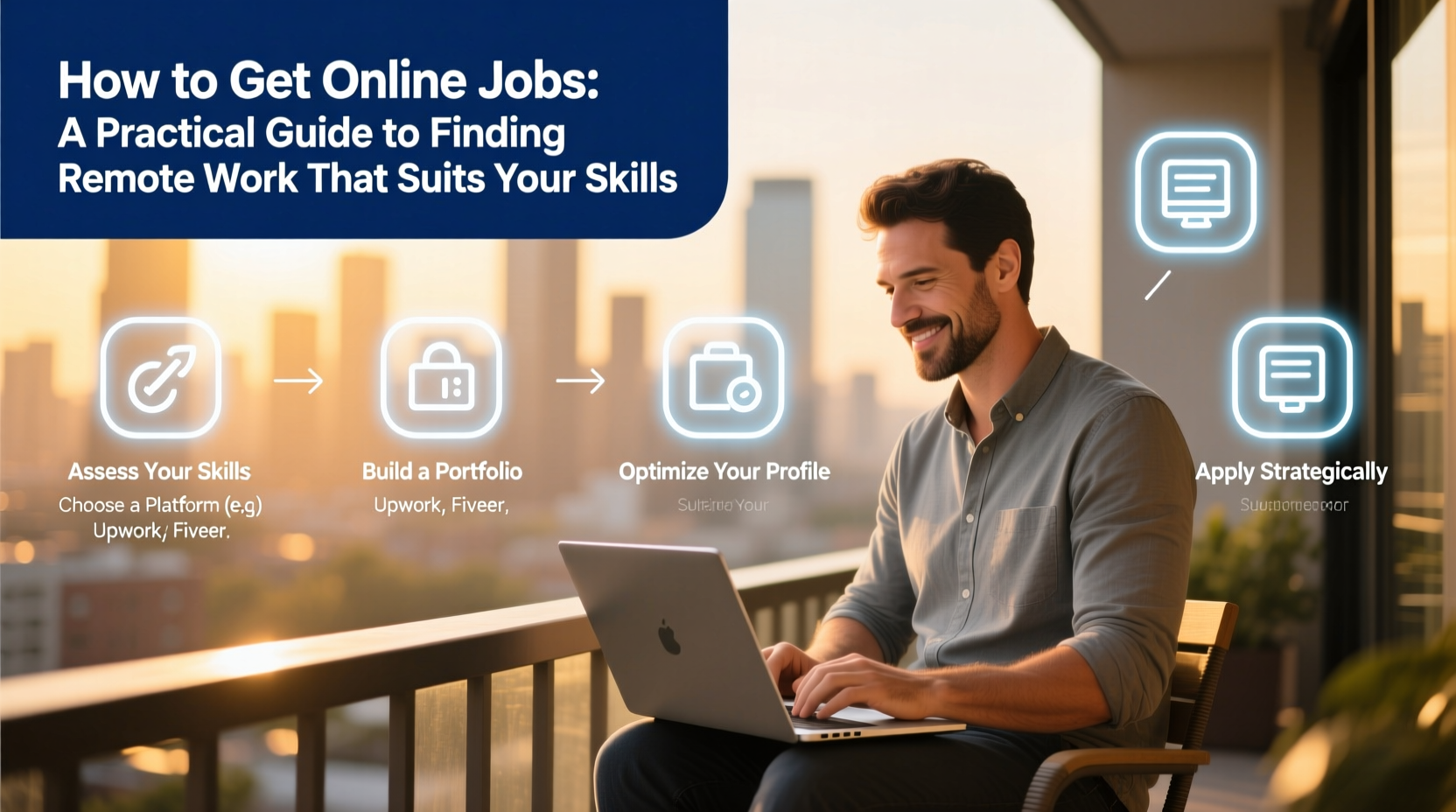
Before diving into job boards or creating profiles on freelance sites, take time to evaluate what you bring to the table. Remote employers and clients look for specialists—not generalists. Ask yourself: What tasks do I enjoy? Where have I received consistent praise or recognition? What tools or software am I proficient in?
Break your skills into three categories:
- Hard Skills: Technical abilities like coding (Python, JavaScript), graphic design (Adobe Creative Suite), copywriting, data analysis, or digital marketing.
- Soft Skills: Communication, time management, problem-solving, and adaptability—critical in remote environments where collaboration happens asynchronously.
- Industry Knowledge: Experience in healthcare, education, finance, e-commerce, or SaaS can give you an edge in niche markets.
Choose the Right Platforms for Your Career Goals
Not all job platforms serve the same audience. Some cater to freelancers, others to full-time remote employees. Selecting the right ones increases your visibility and application success rate.
| Platform | Type of Work | Best For | Entry Barrier |
|---|---|---|---|
| Upwork | Freelance projects | Writers, designers, developers | Moderate (profile competition) |
| Fiverr | Gig-based services | Creative professionals, marketers | Low (easy to start, harder to rank) |
| RemoteOK | Full-time remote roles | Developers, project managers | High (requires strong resume) |
| We Work Remotely | Established remote companies | All levels, especially mid-senior | High (competitive listings) |
| LinkedIn Jobs | Hybrid & remote roles | Corporate professionals | Moderate (network matters) |
Use multiple platforms but tailor your presence accordingly. On Upwork, emphasize deliverables and client feedback. On LinkedIn, focus on professional branding and endorsements.
Build a Remote-Ready Profile and Portfolio
Your digital footprint is your first impression. Whether applying through a job board or reaching out directly, ensure your profile showcases credibility and consistency.
Include:
- A professional headline (e.g., “Remote Copywriter | Converting Complex Ideas into Clear Content”)
- A concise summary highlighting your niche, experience, and availability
- Work samples or case studies (even if unpaid initially)
- Testimonials or client reviews when available
- Links to a personal website or portfolio (use WordPress, Notion, or Carrd)
“Clients don’t hire resumes—they hire solutions. Show them exactly how you’ve solved problems before.” — Maya Tran, Remote Work Coach and Founder of FlexPath Careers
Step-by-Step Guide to Creating a Winning Application
- Research the Company or Client: Understand their mission, tone, and recent projects. Mention specifics in your pitch.
- Customize Your Cover Letter: Avoid generic templates. Focus on one pain point they might have and explain how you’d solve it.
- Attach Relevant Samples: Include only work that mirrors the job scope. Remove irrelevant pieces even if you're proud of them.
- Highlight Remote Competencies: Emphasize self-management, communication tools used (Slack, Trello), and past remote experience.
- Follow Up Politely: Send a brief message 5–7 days after applying. Example: “I’m very interested in this role and would love to discuss how my background aligns with your needs.”
Real Example: From Local Admin to Global Freelancer
Sarah worked as an administrative assistant at a small nonprofit in Ohio. While competent, she felt stagnant. After researching online opportunities, she realized her experience managing donor databases, writing newsletters, and coordinating events translated well into virtual assistance and nonprofit consulting.
She spent two months building a simple portfolio site showcasing email templates, calendar systems, and process documents (with anonymized data). She joined Upwork, started with $15/hour gigs, and gradually increased her rate as she earned five-star reviews. Within a year, Sarah was working 20 hours a week for international NGOs at $45/hour—more than doubling her previous salary while gaining flexibility.
Her key insight: “I didn’t need new skills—I needed to reframe the ones I already had.”
Avoid Common Pitfalls That Cost Opportunities
Many qualified candidates lose out due to preventable mistakes. Here’s what to watch for:
- Over-applying: Sending 50 generic applications rarely works better than five tailored ones.
- Ignoring time zones: If applying to a U.S.-based company from Asia, clarify availability for overlap hours.
- Poor communication: Delayed responses or vague messages signal unreliability.
- Undervaluing your work: Charging too little attracts difficult clients and devalues the market.
Checklist: Launch Your Remote Job Search in 7 Steps
- ✔ Audit your current skills and identify transferable strengths
- ✔ Choose 2–3 target job types (e.g., transcription, customer support, web development)
- ✔ Create or update profiles on relevant platforms (LinkedIn, Upwork, RemoteOK)
- ✔ Build a lightweight portfolio with 3–5 examples of your best work
- ✔ Craft a personalized application template you can adapt per job
- ✔ Apply to 5–10 high-quality postings per week with customized pitches
- ✔ Track applications and follow up within one week
Frequently Asked Questions
Can I get a remote job with no prior experience?
Yes—but you’ll need to demonstrate capability. Take free courses (Google Career Certificates, Coursera), complete practice projects, and offer discounted rates initially to build testimonials. Many entry-level roles in customer service, data entry, and content moderation welcome beginners.
How much should I charge as a freelancer?
Research industry standards. Entry-level writers may start at $20–$30/hour, while experienced developers can charge $80+. Use platforms like Glassdoor, Payscale, or freelance surveys to benchmark. Always factor in taxes, tools, and unpaid time.
Are remote jobs safe? How do I avoid scams?
Legitimate employers never ask for upfront payments. Warning signs include poor grammar in job posts, requests for personal financial details, or promises of high pay for minimal effort. Stick to reputable platforms and verify companies via LinkedIn or official websites.
Take Action Today—Your Remote Career Starts Now
Finding online work isn’t about luck—it’s about positioning, persistence, and precision. The most successful remote professionals aren’t always the most skilled; they’re the ones who present themselves clearly, respond promptly, and deliver consistently. Start small if needed, but start now. Update your profile tonight. Apply to one thoughtful job tomorrow. Refine your approach based on feedback and results.
Remote work isn’t just a trend—it’s a viable, sustainable career path for those willing to build it intentionally. Your next opportunity could be one application away.




 浙公网安备
33010002000092号
浙公网安备
33010002000092号 浙B2-20120091-4
Comments
No comments yet. Why don't you start the discussion?