
Accidents happen—especially when painting. Whether you're refreshing a room or helping a child with an art project, dried acrylic paint on carpet is a common but frustrating problem. Unlike water-based spills that can be wiped away quickly, dried acrylic forms a tough, plastic-like layer that resists simple cleaning. But with the right approach, even stubborn stains can be removed without damaging your carpet fibers.
Acrylic paint is water-resistant once dry, making it more challenging than washable craft paints. However, its composition also gives clues to how it can be broken down. The key lies in softening the hardened paint and lifting it safely from carpet fibers. This guide provides proven strategies, backed by cleaning experts and real-world testing, to restore your carpet’s appearance—no professional service required in most cases.
Understanding Acrylic Paint and Carpet Fibers
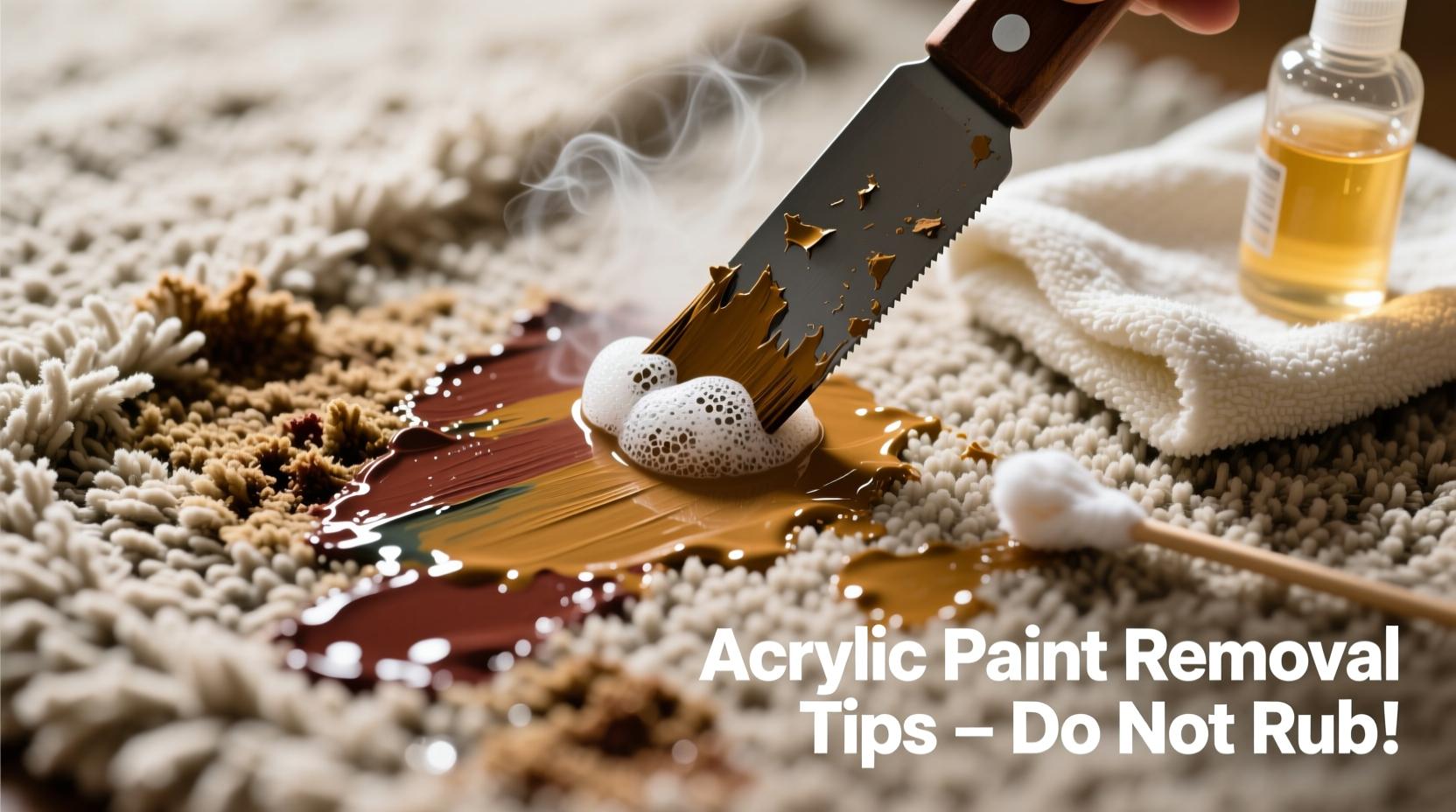
Before attempting removal, it's essential to understand what you're dealing with. Acrylic paint consists of pigment suspended in an acrylic polymer emulsion. When wet, it’s water-soluble. Once dry, the polymers fuse into a flexible, durable film that resists water and mild cleaners.
Carpet materials react differently to solvents and scrubbing. Common types include:
- Nylon – Durable and stain-resistant, handles moderate cleaning well.
- Polyester – Colorfast but sensitive to heat and harsh chemicals.
- Olefin (polypropylene) – Resists moisture but can degrade under strong solvents.
- Wool – Natural fiber; requires gentle treatment to avoid felting or shrinking.
Using the wrong method can lead to fiber damage, discoloration, or spreading the stain. Always test any solution on a hidden area first—such as inside a closet—to ensure compatibility.
“Never assume all carpets respond the same way. A solution safe for nylon might ruin olefin. Always check the manufacturer’s care label and test first.” — Linda Ruiz, Textile Restoration Specialist
Step-by-Step Guide to Removing Dried Acrylic Paint
Removing dried acrylic paint requires patience and precision. Follow this structured process to maximize success while minimizing risk to your carpet.
- Scrape off excess paint: Use a blunt knife or spoon to gently lift as much dried paint as possible. Work from the outside toward the center to avoid spreading. Do not dig deeply—this can fray fibers.
- Vacuum loose particles: After scraping, use a vacuum to remove flakes. This prevents grinding debris deeper during cleaning.
- Apply a paint softener: Choose one of the following based on carpet type:
- Isopropyl alcohol (70% or higher) – Effective for synthetic fibers.
- Dish soap and warm water – Safer for wool or delicate weaves.
- Commercial paint remover (e.g., Goo Gone or Oops!) – Use sparingly and follow instructions.
- Blot, don’t rub: Dampen a clean white cloth with your chosen solution. Press it onto the stain for 5–10 minutes to soften the paint. Avoid aggressive rubbing, which can spread the stain or damage fibers.
- Gently agitate: After soaking, use a soft-bristled brush (like an old toothbrush) to work the softened paint upward. Brush in one direction, lifting rather than pressing down.
- Rinse thoroughly: Blot with a cloth dampened with cold water to remove residue. Repeat until no cleaner remains.
- Dry completely: Use a dry towel to absorb moisture. Allow the area to air dry fully—avoid walking on it until dry to prevent tracking or re-soiling.
Do’s and Don’ts: What Works and What Doesn’t
Not all home remedies are effective—or safe—for removing dried acrylic paint. The table below summarizes best practices and common pitfalls.
| Do | Don't |
|---|---|
| Test solutions on a hidden area first | Use bleach or ammonia-based cleaners |
| Blot with isopropyl alcohol on synthetic carpets | Scrub aggressively with steel wool or abrasive pads |
| Use a dull scraper to lift paint | Apply boiling water—it can set the stain or shrink backing |
| Work from the edge inward | Use colored cloths that may transfer dye |
| Rinse thoroughly after using solvents | Leave residue behind—it attracts dirt |
One common misconception is that vinegar alone removes acrylic paint. While vinegar is excellent for mineral deposits and odors, it lacks the solvent strength needed to break down polymerized acrylic. Pairing it with heat or alcohol may improve results slightly, but dedicated solvents are more reliable.
Real Example: Recovering a Living Room Carpet After a DIY Spill
Sarah, a homeowner in Portland, accidentally knocked over a jar of dried acrylic paint while repainting her living room trim. By the time she noticed, the paint had seeped into her light gray nylon carpet and hardened overnight. She tried blotting with water, which did nothing.
Following online advice, she applied isopropyl alcohol with a cotton pad and let it sit for 10 minutes. Using a plastic gift card, she gently scraped the surface, lifting most of the paint in small flakes. She then brushed lightly with a toothbrush dipped in soapy water, rinsed with a damp microfiber cloth, and dried with a fan.
After two rounds, the stain was nearly invisible. A week later, she reported no reappearing marks or texture changes. “I was ready to cut the patch out,” she said. “But taking it slow made all the difference.”
This case illustrates the importance of patience and proper technique—even large stains can be managed at home with the right tools.
Alternative Solutions and Household Remedies
If commercial products aren’t available, several household items can help weaken dried acrylic paint. Effectiveness varies by carpet type and paint thickness.
- Hairspray: Contains alcohol and resins that can soften paint. Spray lightly, wait 5 minutes, then blot. Best for small spots.
- Nail polish remover (acetone-free): Less aggressive than pure acetone, safer for colors. Test first—can still affect dyes.
- Dish soap paste (Dawn + warm water): Create a thick mixture, apply, cover with plastic wrap, and wait 15 minutes. Helps lift surface layers.
- WD-40: Known for breaking down adhesives. Spray sparingly, wait 5–10 minutes, then wipe. Must be followed by thorough rinsing with soapy water to remove oily residue.
For thick, multi-layered stains, combine methods. For example, soften with alcohol, scrape, then treat with dish soap to lift remaining residue. Layering approaches often yields better results than relying on a single product.
Checklist: Removing Dried Acrylic Paint from Carpet
Follow this concise checklist to ensure no step is missed during cleanup:
- ☑ Scrape off as much dried paint as possible with a dull tool
- ☑ Vacuum loose fragments
- ☑ Check carpet care label for cleaning codes (W = water-safe, S = solvent-only, etc.)
- ☑ Test chosen solution on an inconspicuous area
- ☑ Apply paint softener (alcohol, remover, or soapy solution)
- ☑ Let sit for 5–15 minutes to penetrate
- ☑ Gently agitate with soft brush
- ☑ Blot and rinse with clean water
- ☑ Dry thoroughly with towels and airflow
- ☑ Inspect after drying—repeat if necessary
Completing each step systematically increases the chance of full removal and reduces the risk of permanent damage.
Frequently Asked Questions
Can I use rubbing alcohol on all types of carpet?
Most synthetic carpets (nylon, polyester) tolerate isopropyl alcohol well when used sparingly. However, wool and some natural blends may discolor or felt. Always test in a hidden area first. If color transfers to the cloth during testing, choose a milder method like dish soap and water.
What if the paint comes back after drying?
Residual paint left deep in fibers may wick back to the surface as the carpet dries. This indicates incomplete removal. Reapply your softening agent, extend dwell time, and consider using a carpet cleaning machine with extraction capability to pull out hidden particles.
Is it safe to use a steam cleaner on paint-stained carpet?
Steam alone won’t dissolve dried acrylic and may spread the stain. However, a steam cleaner with extraction function—used after pre-treating with a solvent—can help flush out loosened paint. Avoid high heat on wool or olefin, which can melt or shrink.
When to Call a Professional
Home remedies work in most cases, especially when addressed promptly. However, consider professional carpet cleaning if:
- The stain covers a large area (over 6 inches in diameter).
- You’ve tried multiple methods with no improvement.
- The carpet is antique, wool, or has special backing that could be damaged.
- The paint has penetrated through to the padding below.
Professionals use industrial-grade solvents, hot water extraction, and specialized agitation tools that are more effective—and safer when handled correctly—than DIY attempts. Many offer spot treatment services at a fraction of full-room cleaning costs.
“Sometimes the cost of replacement isn’t worth it. We’ve restored carpets with paint older than six months using controlled solvent application and low-moisture extraction.” — Mark Tran, Certified Carpet Technician (CCT)
Conclusion: Act Fast, Work Smart, Save Your Carpet
Dried acrylic paint doesn’t have to mean ruined carpet. With careful preparation, the right tools, and a methodical approach, most stains can be removed at home. The key is acting promptly, choosing the appropriate solvent for your carpet type, and avoiding aggressive techniques that cause more harm than good.
Success depends not on a miracle product, but on consistency and attention to detail. Whether you’re dealing with a child’s art mishap or a DIY renovation spill, the steps outlined here provide a reliable roadmap to recovery.




 浙公网安备
33010002000092号
浙公网安备
33010002000092号 浙B2-20120091-4
Comments
No comments yet. Why don't you start the discussion?