
Urine odors on a couch are more than just unpleasant—they can linger for months if not treated properly. Whether the culprit is a pet accident, a toddler mishap, or an unfortunate spill, the key to eliminating the smell lies in understanding how urine bonds with fabric and foam, and what steps actually break down the compounds causing the odor. Many people reach for air fresheners or vinegar sprays, only to find the smell returns weeks later. That’s because surface cleaning doesn’t address the deeper contamination. This guide outlines scientifically sound, practical, and accessible methods to fully neutralize urine odor from your couch—without damaging the upholstery.
Why Urine Smell Lingers on Couches
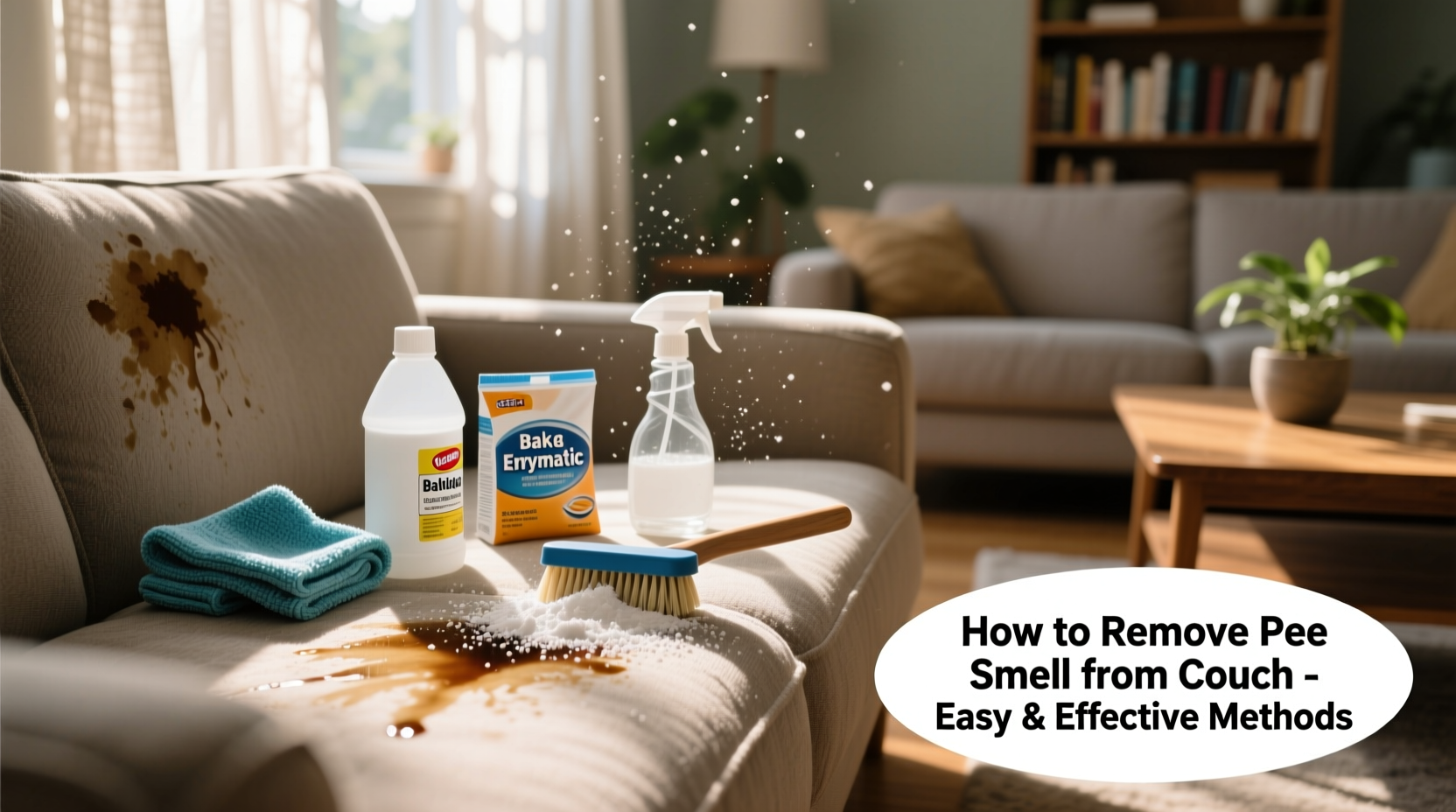
Urine contains urea, uric acid, and bacteria. When it soaks into fabric and padding, the liquid may evaporate, but uric acid crystals remain embedded in fibers and cushioning. These crystals reactivate when exposed to humidity, releasing that unmistakable ammonia-like odor long after the initial incident. Most household cleaners only mask the scent or clean the surface, leaving the root problem intact.
“Surface cleaning won’t eliminate urine odor. You need enzymatic action to break down the organic compounds at their source.” — Dr. Linda Chen, Microbiologist & Indoor Air Quality Specialist
Effective removal requires penetrating deep into the material to dissolve uric acid and destroy odor-causing bacteria. The method you choose should depend on your couch’s fabric type and whether the urine has reached the foam or springs beneath.
Step-by-Step Guide: Removing Pee Smell from Your Couch
Immediate action significantly increases your chances of complete odor removal. Follow this timeline-based process for best results:
- Blot Immediately (0–15 minutes after incident): Use paper towels or a clean cloth to absorb as much liquid as possible. Press down firmly—do not rub, which spreads the stain.
- Sprinkle Baking Soda (Optional, within 30 minutes): For fresh spills, lightly cover the area with baking soda to absorb moisture and begin neutralizing odor.
- Apply Enzymatic Cleaner (Within 24 hours): Spray an enzymatic cleaner generously over the affected area and any surrounding zone where odor might have spread. Let it soak for 10–15 minutes.
- Work Into Fabric (After application): Use a soft brush or cloth to gently work the solution into the fibers without damaging the fabric.
- Allow Deep Penetration (Wait 6–24 hours): Enzymes need time to digest organic matter. Keep the area undisturbed and uncovered to allow airflow.
- Dry Thoroughly: Use fans or open windows to speed drying. Avoid heat sources like hairdryers, which can set stains.
- Repeat if Necessary: For old or repeated accidents, a second treatment may be required.
Best Cleaning Solutions Compared
Not all cleaners are equal when it comes to breaking down urine compounds. Here's a comparison of common options:
| Cleaning Method | Effectiveness | Speed | Safety for Fabrics | Notes |
|---|---|---|---|---|
| Enzymatic Cleaner | ★★★★★ | Slow (6–24 hrs) | High | Breaks down uric acid and bacteria; best for deep cleaning |
| Vinegar + Baking Soda | ★★★☆☆ | Moderate | Medium | Good for fresh spills; may leave residue if not rinsed |
| Hydrogen Peroxide Mix | ★★★★☆ | Fast | Low–Medium | Potential bleaching; never use on dark fabrics |
| Commercial Odor Neutralizers | ★★☆☆☆ | Fast | High | Often mask smell rather than eliminate it |
| Steam Cleaning | ★★★☆☆ | Fast | Medium | Only effective with proper pre-treatment; excess moisture risks mold |
DIY vs. Commercial Products: What Works Best?
While DIY solutions like vinegar and baking soda are affordable and readily available, they often fall short on older or deeply absorbed stains. Vinegar neutralizes pH and kills some bacteria, but it doesn’t dissolve uric acid crystals effectively. Baking soda absorbs odor temporarily but doesn’t eliminate the source.
Enzymatic cleaners, typically used in pet stain products, contain natural bacteria that consume urine components. These are the most reliable option for permanent removal. Look for products labeled “enzymatic” with ingredients like protease, amylase, or lipase—enzymes that target organic waste.
If you prefer a DIY approach, a hydrogen peroxide-based solution can work—but cautiously:
- Mix 8 oz hydrogen peroxide (3%), 3 tbsp baking soda, and 1–2 drops of dish soap.
- Apply to the stain and let sit for 1–2 hours before blotting.
- Test on a hidden area first—this mix can bleach fabric.
Real Example: Rescuing a Living Room Sofa After a Pet Accident
Sarah from Denver noticed a persistent ammonia smell in her living room two weeks after her dog had an indoor accident. She initially blotted and sprayed with a citrus-scented cleaner, which masked the odor temporarily. Within days, the smell returned stronger, especially on humid mornings.
She followed the enzymatic cleaning method: she applied a pet-specific enzymatic cleaner generously over the entire cushion, allowed it to soak overnight, and used a fan to dry it completely. After 48 hours, the odor was gone. A week later, even after heavy use, there was no recurrence. Sarah emphasized that patience during the drying phase made the difference—rushing the process would have left residual moisture and risked mold.
Checklist: How to Remove Pee Smell from Your Couch
Follow this concise checklist to ensure no step is missed:
- ☑ Blot up as much liquid as possible immediately
- ☑ Identify fabric type (check manufacturer’s tag)
- ☑ Test cleaner on inconspicuous area
- ☑ Apply enzymatic cleaner generously
- ☑ Allow 6–24 hours for enzyme action
- ☑ Dry thoroughly with airflow (no heat)
- ☑ Vacuum baking soda if used as a final deodorizer
- ☑ Repeat treatment if odor persists
Frequently Asked Questions
Can I use a steam cleaner to remove urine smell?
Steam cleaning alone is not recommended for untreated urine stains. Heat can set the proteins and uric acid into the fabric, making the odor worse. If using a steam cleaner, always pre-treat the area with an enzymatic solution first.
How long does it take for the smell to go away?
With proper enzymatic treatment, most odors dissipate within 24–48 hours. However, heavily soaked areas or old stains may require multiple treatments spaced a few days apart.
Will Febreze or other air fresheners remove the smell?
No. Air fresheners only mask odors temporarily. They do not interact with uric acid or bacteria. Relying on them without deep cleaning will result in recurring smells, especially in humid conditions.
Preventing Future Accidents and Odors
Once the couch is clean, take proactive steps to prevent repeat incidents. For pet owners, consistent training and scheduled bathroom breaks reduce indoor accidents. Consider using washable couch covers or throws in high-risk areas. For households with young children or elderly individuals, keep cleaning supplies nearby for immediate response.
Regular maintenance also helps. Vacuuming your couch monthly removes surface contaminants and early-stage residues before they penetrate deeply.
Conclusion: Take Action Before the Smell Sets In
Eliminating pee smell from your couch isn’t about covering it up—it’s about removing the biological cause. Quick response, the right enzymatic cleaner, and thorough drying are the pillars of success. Whether you choose a trusted commercial product or a carefully prepared DIY solution, consistency and attention to detail make all the difference. Don’t let embarrassment or delay lead to permanent damage or lingering odors. Address the issue head-on, follow the steps outlined here, and reclaim a fresh, clean living space.




 浙公网安备
33010002000092号
浙公网安备
33010002000092号 浙B2-20120091-4
Comments
No comments yet. Why don't you start the discussion?