
A musty odor in wooden or fabric-lined drawers is more than just unpleasant—it can signal trapped moisture, mildew growth, or poor ventilation. While many turn to chemical sprays or synthetic air fresheners, these often mask the problem rather than solve it and may introduce harmful residues into your living space. The good news? You can effectively eliminate musty smells using simple, non-toxic methods that are safe for your clothes, furniture, and family.
Natural solutions not only neutralize odors but also absorb excess humidity, inhibit mold spores, and leave behind a subtle freshness without artificial fragrances. From sun-drying to herbal sachets, this guide walks you through proven, eco-friendly techniques that work with your home’s environment—not against it.
Understanding the Cause of Musty Smells
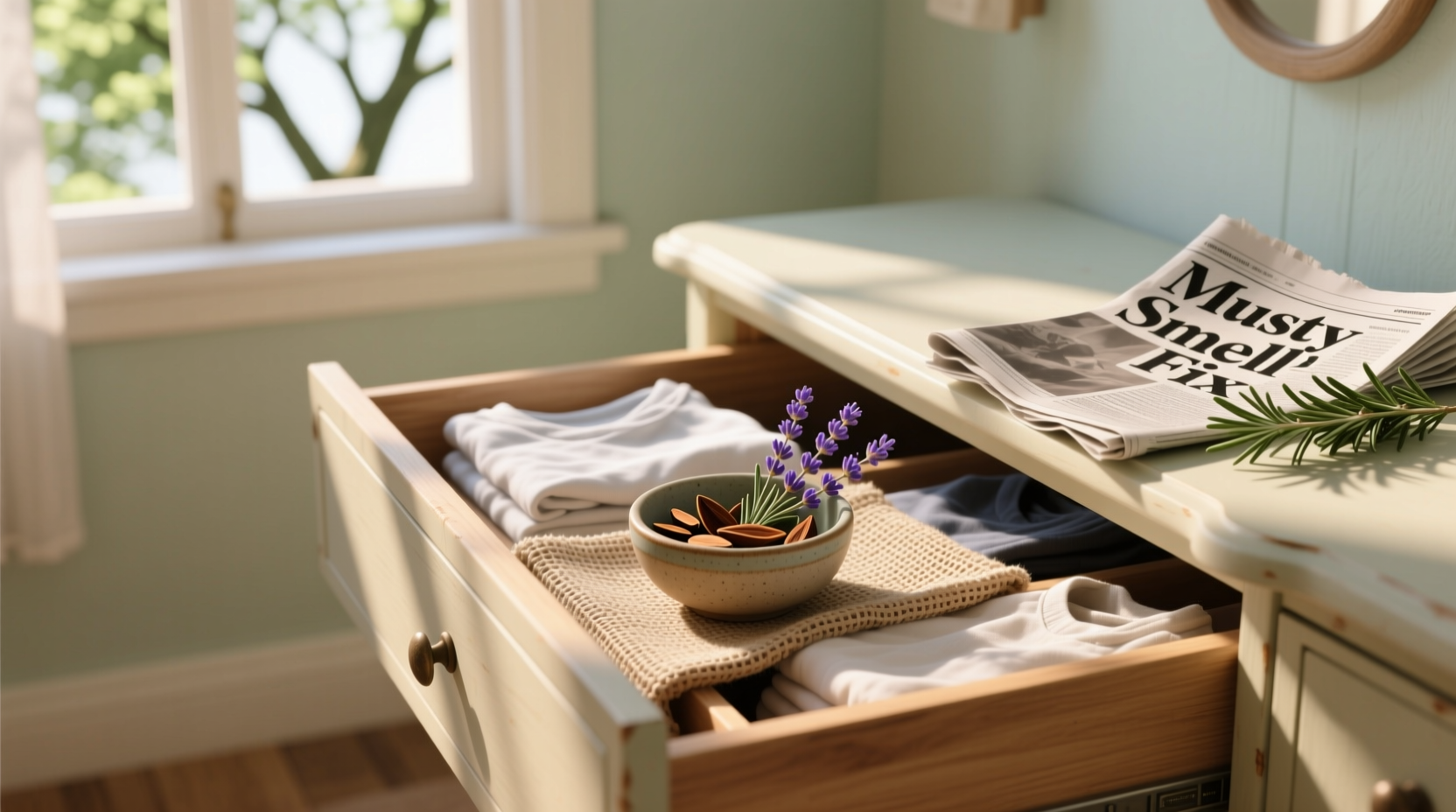
Before treating the symptom—the smell—it's essential to address the root cause. Musty odors typically stem from one or more of the following:
- Moisture buildup: High humidity, damp clothing, or spills create ideal conditions for microbial growth.
- Poor airflow: Closed drawers with little ventilation trap stale air and encourage odor retention.
- Organic material decay: Old paper, fabric remnants, or food crumbs decompose over time, producing musty scents.
- Mold or mildew: Invisible spores thrive in dark, moist environments and emit volatile organic compounds (VOCs) responsible for the characteristic \"damp basement\" smell.
Unlike chemical deodorizers that simply cover up odors, natural remedies actively absorb moisture, disrupt microbial activity, and refresh materials at a molecular level. This makes them not only safer but often more effective in the long run.
Step-by-Step Guide to Naturally Deodorize Drawers
Follow this systematic approach to thoroughly eliminate musty smells using only natural tools:
- Empty the drawer completely. Remove all clothing, linens, papers, or stored items. Inspect each item for signs of mildew or lingering dampness.
- Vacuum the interior. Use a brush attachment to dislodge dust, lint, and debris from corners and crevices where mold spores may hide.
- Dry the drawer thoroughly. Wipe down surfaces with a dry microfiber cloth. If possible, leave the drawer open for several hours—or ideally, overnight—to allow air circulation.
- Sun-dry if feasible. For removable drawers, place them in direct sunlight for 2–3 hours. UV rays naturally kill mold and bacteria while evaporating residual moisture.
- Apply an odor-absorbing agent. Choose one of the natural options outlined below and apply evenly across the interior surfaces.
- Leave treatment in place for 24–48 hours. Allow sufficient time for absorption and deodorization.
- Wipe clean and reline (optional). After removing the treatment, wipe with a dry or slightly damp cloth. Consider lining the drawer with breathable, odor-resistant paper or fabric.
- Add ongoing protection. Place a natural sachet or absorber inside to prevent future odor recurrence.
Top Natural Solutions That Work
Below are some of the most effective chemical-free methods for eliminating musty smells. Each has unique benefits depending on your drawer type, climate, and available resources.
Baking Soda – The Classic Odor Neutralizer
Baking soda (sodium bicarbonate) is a powerful, pH-balancing compound that absorbs acidic and basic gases alike. It doesn’t just mask odors—it chemically neutralizes them.
To use: Sprinkle a generous layer (about ¼ inch) across the bottom of the drawer. Let sit for at least 24 hours, then vacuum or wipe away. For added effect, mix in a few drops of tea tree or lavender essential oil.
Activated Charcoal – Deep Absorption Power
Unlike regular charcoal, activated charcoal has been treated to increase its surface area, making it exceptionally effective at trapping moisture and airborne impurities.
Place small mesh bags or open containers of activated charcoal inside drawers. One cup per medium-sized drawer is sufficient. Recharge the charcoal monthly by placing it in direct sunlight for 3–4 hours to release absorbed toxins.
White Vinegar Wipe-Down – Microbial Disruption
Though vinegar has a strong initial scent, it dissipates quickly and leaves behind a clean, neutral base. Its acetic acid content disrupts mold and bacterial cells on contact.
Soak a cloth in undiluted white vinegar and wipe all interior surfaces. Let air dry completely before proceeding. Do not rinse. Follow with a baking soda application for enhanced results.
Coffee Grounds – Aromatic Absorption
Fresh, used coffee grounds (dried completely) act as both odor absorbers and natural fragrance enhancers. Their porous structure traps volatile compounds, while their earthy aroma counteracts mustiness.
Spread dried grounds on a plate or cloth and place in the drawer for 24 hours. Replace after each use; do not reuse grounds due to potential bacterial regrowth.
Essential Oils – Antimicrobial & Fragrant Boost
Oils like tea tree, eucalyptus, and lavender possess natural antifungal and antibacterial properties. They also provide a pleasant scent without synthetic perfumes.
Apply 5–10 drops to a cotton ball or wooden clothespin and leave in the drawer for 2–3 days. Alternatively, add a few drops to baking soda before sprinkling. Avoid applying oils directly to unfinished wood, as they may stain.
“Natural odor control isn’t about overpowering smells—it’s about restoring balance. Substances like baking soda and charcoal work with your environment to create conditions where mustiness can’t survive.” — Dr. Lena Torres, Environmental Health Scientist
Do’s and Don’ts When Treating Musty Drawers
| Do | Don't |
|---|---|
| Allow ample drying time before replacing items | Seal damp drawers immediately after cleaning |
| Use breathable containers for storage | Store wool or cotton fabrics in plastic bins long-term |
| Rotate natural deodorizers monthly | Forget to check seasonal clothing for trapped moisture |
| Expose drawers to sunlight when possible | Use bleach or ammonia-based cleaners on wood |
| Inspect regularly for early signs of mildew | Ignore persistent smells—they may indicate structural damp |
Real Example: Reviving a Heirloom Dresser
Sarah, a homeowner in Portland, Oregon, inherited a vintage oak dresser from her grandmother. Living in a coastal climate with high humidity, she noticed a persistent musty smell emanating from the lower drawers, especially during winter months. Despite wiping them down with store-bought sprays, the odor returned within days.
She decided to try a natural approach. First, she removed all contents and left the drawers open for two days during a dry spell. She then wiped each interior with white vinegar and allowed them to dry in a sunlit room. Next, she applied a thin layer of baking soda mixed with five drops of tea tree oil per drawer. After 48 hours, she vacuumed the residue and lined the drawers with recycled parchment paper.
To maintain freshness, she placed small linen sachets filled with dried lavender and rosemary in each compartment. Six months later, the dresser remains odor-free—and Sarah now uses the same method for her closet shelves and linen cupboard.
Preventive Measures for Long-Term Freshness
Eliminating an existing odor is important, but preventing recurrence is key. Implement these habits to keep drawers smelling clean year-round:
- Seasonal airing: Every spring and fall, empty and ventilate all storage drawers for at least 12 hours.
- Use breathable drawer liners: Replace plastic or vinyl liners with uncoated paper, cork, or organic cotton fabric.
- Control room humidity: Maintain indoor humidity between 30% and 50% using a dehumidifier or ventilation fan.
- Store dry items only: Never place recently washed or damp clothing into drawers—even slight moisture invites mold.
- Rotate natural deodorizers: Refresh sachets and absorbers every 4–6 weeks, especially in humid seasons.
DIY Herbal Sachet Recipe
Create your own long-lasting, aromatic sachets using common pantry ingredients:
- Combine ¼ cup dried lavender buds, 2 tbsp dried rosemary, and 1 tbsp dried mint.
- Add 5 drops of clove or cedarwood essential oil (optional for extra antimicrobial power).
- Mix well and place in small muslin bags or old socks tied with string.
- Slide one sachet into each drawer or fold into stacks of clothing.
These sachets last 6–8 weeks and can be gently crushed occasionally to revive their scent.
Frequently Asked Questions
Can I use lemon juice instead of vinegar?
Lemon juice contains citric acid, which has mild antibacterial properties, but it’s less effective than vinegar at penetrating porous surfaces and neutralizing deep odors. Additionally, lemon juice can bleach certain woods or fabrics and may leave a sticky residue if not rinsed—something we avoid in chemical-free cleaning. Stick with vinegar for reliability.
How do I know if mold is present even if I can’t see it?
If the musty smell persists despite thorough cleaning, invisible mold may be growing beneath the drawer lining or in joints. Check for discoloration, warping, or a soft texture in wood. In severe cases, consider consulting a professional inspector. For minor concerns, repeated applications of tea tree oil (which kills mold spores) combined with improved airflow usually resolve hidden issues.
Are there any woods that resist musty odors better than others?
Yes. Hardwoods like cedar and redwood naturally contain oils that repel insects and resist moisture absorption. Cedar, in particular, is prized for its ability to deter moths and absorb humidity. If building or refinishing furniture, opt for these species in closets and storage units. Even small cedar blocks placed in drawers help maintain freshness.
Natural Drawer Care Checklist
Use this checklist to ensure complete, lasting odor removal:
- ☐ Remove all drawer contents
- ☐ Vacuum interior surfaces and corners
- ☐ Wipe with white vinegar and let dry completely
- ☐ Sun-dry drawer if removable
- ☐ Apply baking soda or activated charcoal
- ☐ Leave treatment for 24–48 hours
- ☐ Vacuum or wipe out residue
- ☐ Insert natural sachet or odor absorber
- ☐ Line drawer with breathable, non-plastic material
- ☐ Schedule quarterly maintenance checks
Conclusion
Eliminating musty smells from drawers doesn’t require harsh chemicals or expensive products. With simple ingredients like baking soda, vinegar, sunlight, and essential oils, you can restore freshness safely and sustainably. The key lies in understanding that odor is a symptom of imbalance—moisture, poor airflow, or biological growth—and addressing those root causes naturally.
By adopting these practices, you protect not only your belongings but also your indoor air quality and overall well-being. Whether you're refreshing an old dresser or maintaining a newly organized space, these methods offer lasting results without compromising health or comfort.




 浙公网安备
33010002000092号
浙公网安备
33010002000092号 浙B2-20120091-4
Comments
No comments yet. Why don't you start the discussion?