
Static cling is one of those small but maddening wardrobe issues that can ruin an otherwise polished outfit. One moment you're stepping out with confidence in your favorite dress, and the next, the fabric is clinging uncomfortably to your legs or sticking to tights. The cause? A buildup of electrical charge, typically worsened by dry air, synthetic fabrics, and friction. While it might seem unavoidable—especially during winter months—there are immediate, practical solutions you can use anywhere, from home to the office.
The good news: you don’t need special products or expensive tools. Most fixes rely on items already in your bathroom, kitchen, or handbag. Whether you're dealing with a flirty midi skirt or a sleek bodycon dress, these techniques will neutralize static fast and keep your look smooth and dignified.
Understanding Why Static Happens
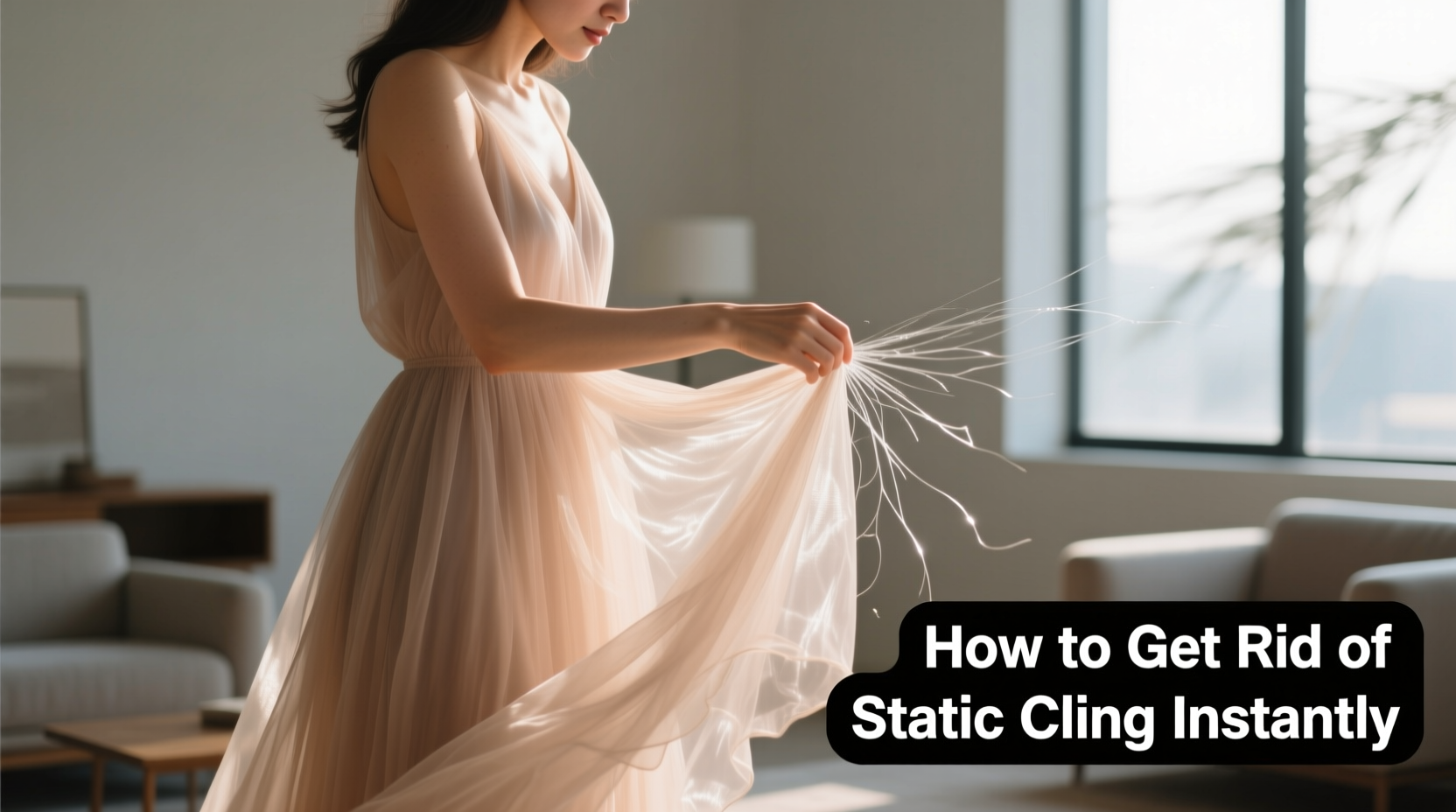
Static electricity occurs when electrons transfer between materials through contact and separation—commonly known as friction. When you walk, sit, or move in synthetic fabrics like polyester, nylon, or rayon, electrons build up on the surface. Since these materials don’t conduct electricity well, the charge remains trapped, causing the fabric to attract itself or stick to your skin and underlayers.
Dry environments significantly increase this effect. Indoor heating during colder months reduces humidity, creating ideal conditions for static buildup. Natural fibers like cotton, wool, and silk are less prone because they retain moisture better and dissipate charge more efficiently.
Immediate Fixes You Can Try Right Now
Sometimes you need a solution in seconds—before walking into a meeting or stepping outside for dinner. These instant methods require minimal effort and common household items.
1. Use a Metal Hanger
Grab a metal clothes hanger and gently slide it between the clinging fabric and your body. The metal conducts the built-up charge away, neutralizing the static almost instantly. This works especially well for long skirts or tight-fitting dresses stuck to tights.
2. Dampen Your Hands
Wet your palms lightly under running water (or use a drop of hand lotion) and smooth them over the affected areas. The moisture disrupts the electrical field. Focus on the inner thighs, back of knees, or any spot where the fabric is clinging. Avoid soaking the garment—just a light pass is enough.
3. Carry a Dryer Sheet
Rub a used or unused dryer sheet over the inside of the skirt or dress. Dryer sheets contain cationic surfactants that reduce static. They’re lightweight, portable, and leave a subtle fresh scent. Keep one in your purse or glove compartment for emergencies.
4. Spray With Hairspray
Hold a bottle of hairspray 10–12 inches away and give a quick, light mist to the underside of the garment. Let it dry before moving. Hairspray contains polymers and alcohols that weigh down fibers and dissipate charge. Be cautious with dark fabrics—test in an inconspicuous area first to avoid residue.
“Static isn’t just annoying—it can damage delicate fabrics over time due to constant tension and pulling. Addressing it quickly preserves both comfort and clothing longevity.” — Lena Pruitt, Textile Care Specialist, Boston Garment Institute
Step-by-Step Guide: Neutralize Static in Under a Minute
Follow this sequence when you notice static cling mid-day:
- Stop moving – Continued motion increases friction and worsens the cling.
- Find a private space – A restroom stall or quiet corner allows discreet correction.
- Choose your method – Pick one of the following based on what’s available:
- Metal hanger
- Damp hands or tissue
- Dryer sheet
- Hairspray or setting spray
- Apply gently – Work from top to bottom, smoothing the fabric without tugging.
- Test mobility – Take a few steps or sit briefly to ensure the fix holds.
Preventive Strategies for Long-Term Control
While instant fixes help in the moment, preventing static altogether saves time and embarrassment. Incorporate these habits into your daily routine:
Use Fabric Softener in the Wash
Liquid fabric softeners coat fibers with lubricating chemicals that reduce friction. Add to the rinse cycle when washing synthetic garments. For sensitive skin, choose fragrance-free or hypoallergenic versions.
Add Vinegar to the Rinse Cycle
White vinegar acts as a natural softener and static reducer. Add half a cup to the final rinse. It won’t leave a smell once dry and helps maintain fabric softness without chemical residues.
Moisturize Your Skin Daily
Dry skin amplifies static interaction with clothing. Apply lotion immediately after showering to seal in moisture. Focus on legs and arms if you often wear sleeveless or short-hemmed pieces.
Layer Wisely
Avoid pairing two synthetic layers—like nylon tights under a polyester dress. Instead, wear cotton leggings or silk underskirts. Natural fibers reduce charge buildup and improve comfort.
Carry a Portable Humidifier
If you work in an overheated office or live in a dry climate, a mini USB humidifier at your desk can subtly raise ambient moisture, reducing static occurrences throughout the day.
| Method | Effectiveness | Speed | Best For |
|---|---|---|---|
| Metal hanger | High | 10 seconds | On-the-go fixes, thick fabrics |
| Damp hands | Medium-High | 15 seconds | Skin-level cling, lightweight materials |
| Dryer sheet | High | 20 seconds | Full skirts, layered outfits |
| Hairspray | High | 30 seconds (with drying) | Precise areas, synthetic blends |
| Vinegar wash | Medium | Preventive (long-term) | Regular laundry routine |
Mini Case Study: The Office Meeting Rescue
Sarah, a marketing executive in Chicago, wore her favorite navy wrap dress to an important client presentation. It was January, the office heating was cranked up, and she’d walked across a carpeted lobby in knee-high boots. By the time she reached the conference room, the skirt had clung tightly to her tights, making walking awkward and drawing attention.
She excused herself, went to the restroom, and dampened a paper towel with cool water. She smoothed it along the inner hem of the dress and ran her hands down the sides. Then, she took a dryer sheet from her makeup pouch (kept for touch-ups) and lightly wiped the lining. Within 45 seconds, the fabric fell naturally again. She returned confident and uninterrupted.
This real-world scenario shows how combining awareness with preparedness makes all the difference—even in high-pressure situations.
Checklist: Anti-Static Emergency Kit
Stay ready with this compact checklist of items to keep in your bag, car, or desk drawer:
- Travel-sized moisturizer
- Disposable dryer sheets (1–2 folded in a zip bag)
- Mini hairspray or setting spray
- Folded metal hanger (collapsible types available)
- Small lint roller (also removes dust that exacerbates static)
- Water-resistant tissues or wipes
Having even two of these on hand ensures you’re never caught off guard.
FAQ
Can I use hand sanitizer to stop static?
Yes—but sparingly. Rub a tiny amount (pea-sized) onto your palms, then smooth over the clinging area. The alcohol content helps discharge static, but excess gel may leave residue. Always let it absorb fully before contact with fabric.
Why does my dress only cling some days?
Static is highly dependent on environmental conditions. Low humidity (below 40%), synthetic fabrics, and certain footwear (rubber soles on carpet) increase risk. On humid or rainy days, static is rare because moisture in the air dissipates electric charges naturally.
Are there permanent anti-static sprays for clothing?
Yes. Commercial anti-static sprays like Static Guard provide longer-lasting protection. Spray lightly on the inside of garments before wearing. Effects last several hours and can be reapplied as needed. Store in a cool place to preserve formula integrity.
Expert-Approved Do’s and Don’ts
| Do | Don't |
|---|---|
| Use natural fiber underlayers | Wear rubber-soled shoes on carpet |
| Keep skin moisturized | Over-spray adhesive products directly on fabric |
| Store synthetic garments with dryer sheets | Use hot blow dryers near clinging clothes |
| Run a humidifier indoors | Ignore early signs of cling—fix it before it worsens |
| Wash synthetics with vinegar occasionally | Assume only cheap fabrics cause static—designer blends are equally vulnerable |
Conclusion
Static cling doesn’t have to be a daily frustration. With a few smart habits and accessible tools, you can manage it instantly—and often prevent it entirely. Understanding the science behind static empowers you to make better choices in fabric selection, layering, and care routines. From a quick swipe of a dryer sheet to strategic moisturizing, these small actions add up to big improvements in comfort and confidence.
You don’t need to sacrifice style for practicality. Armed with these proven techniques, you can wear your favorite skirts and dresses worry-free, no matter the season or setting.




 浙公网安备
33010002000092号
浙公网安备
33010002000092号 浙B2-20120091-4
Comments
No comments yet. Why don't you start the discussion?