
Shaker bottles are essential for fitness enthusiasts, busy professionals, and anyone who relies on protein shakes or supplements. But over time, even with regular washing, they can develop a persistent, unpleasant odor. When standard dish soap no longer cuts through the stench, it’s a sign that bacteria, residue buildup, or material degradation has taken hold. The good news: there are proven, accessible methods beyond soap that eliminate odors at their source. This guide dives into why smells linger, which materials trap odors most easily, and exactly what to do when soap stops working—backed by cleaning chemistry and real-world testing.
Why Soap Alone Often Fails
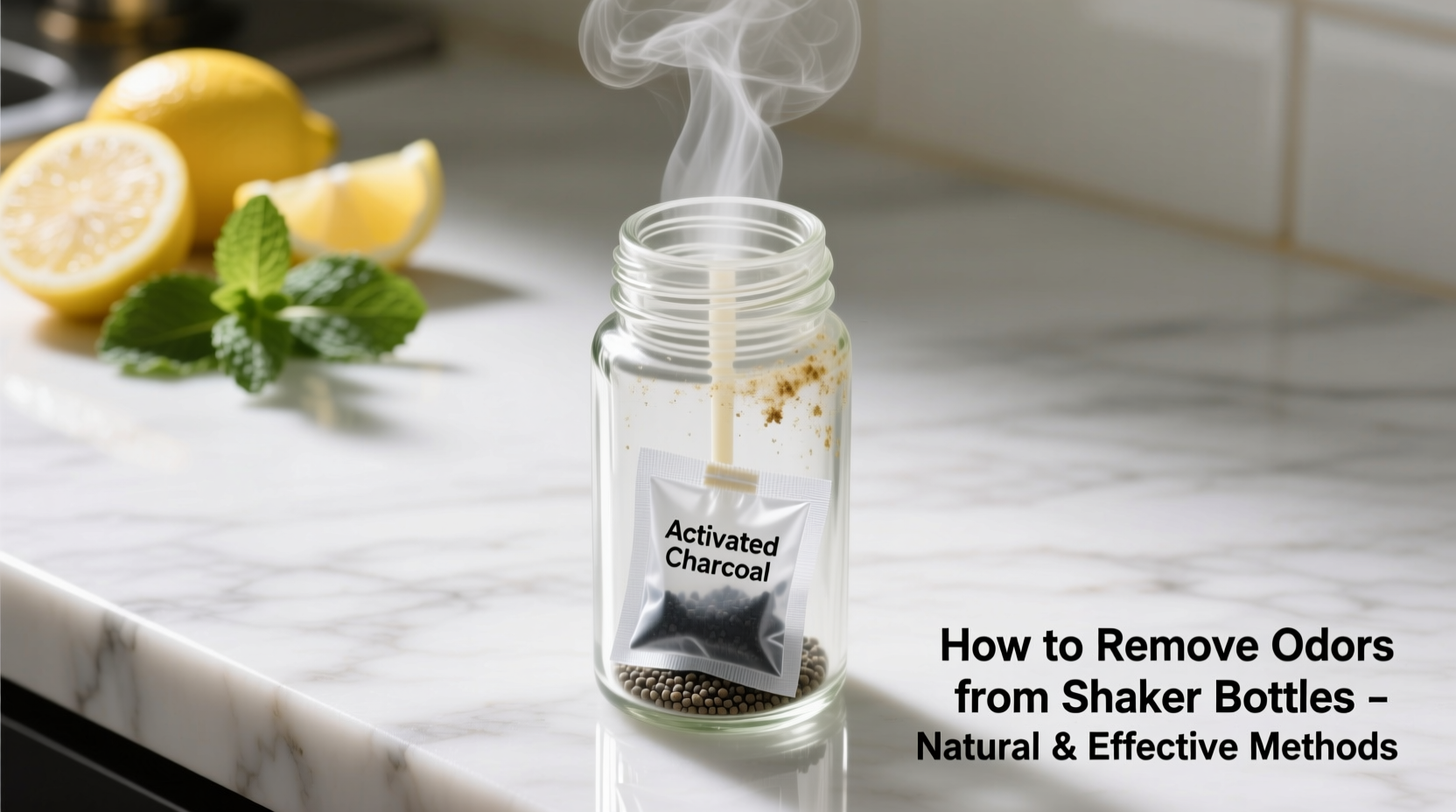
Dish soap removes surface grease and loose particles, but it doesn’t always penetrate micro-scratches or porous plastic where odor-causing compounds embed. Protein powders, especially those with dairy-based ingredients like whey, break down into volatile organic acids when exposed to moisture and warmth. These compounds bind to the inner walls of your shaker, particularly in polypropylene or lower-grade plastics. Over time, repeated use without deep sanitization leads to bacterial colonization—even if the bottle looks clean.
Bacteria such as Pseudomonas and Staphylococcus thrive in moist environments and metabolize leftover protein, producing foul-smelling byproducts like ammonia and sulfur compounds. Standard rinsing won’t dislodge biofilm—a slimy layer of microbial colonies that adheres tightly to surfaces. That’s why your shaker may still reek after washing.
Step-by-Step Guide to Deep-Cleaning a Smelly Shaker Bottle
When soap fails, a structured deep-cleaning approach is required. Follow this timeline-tested method to restore freshness:
- Disassemble completely: Remove the lid, cap, seal ring, and any mixing ball or whisk. These components often harbor the worst odor due to crevices and trapped liquid.
- Rinse immediately: Flush all parts with warm water (not hot, which can warp plastic) right after use to minimize residue buildup.
- Soak in vinegar solution: Mix 1 cup white vinegar with 1 cup warm water. Submerge all parts for at least 30 minutes. Vinegar’s acetic acid disrupts biofilm and neutralizes alkaline odors like ammonia.
- Scrub with baking soda paste: After soaking, mix 2 tablespoons baking soda with a few drops of water to form a paste. Use a bottle brush to scrub the interior, focusing on seams and bottom corners. Baking soda acts as a mild abrasive and pH neutralizer.
- Rinse thoroughly: Wash all components under running water until no vinegar or baking soda residue remains.
- Air-dry completely: Place parts on a clean towel in a well-ventilated area, preferably in direct sunlight. UV rays have natural disinfectant properties.
This process should be performed weekly for frequent users or whenever an odor returns despite regular washing.
Natural Alternatives That Outperform Commercial Cleaners
Many commercial “bottle cleaners” rely on harsh chemicals that may degrade plastic over time or leave behind residual scents. Natural alternatives are often more effective and safer for repeated use. Below are three science-supported options:
- Citrus peel soak: Toss lemon, orange, or grapefruit peels into the bottle with warm water. Let sit for 2–4 hours. The limonene in citrus oils breaks down organic residues and masks odors naturally.
- Coffee grounds: Fill the bottle halfway with used coffee grounds and add warm water. Shake vigorously and let sit overnight. Coffee absorbs odors like activated charcoal and adds a pleasant roast scent.
- Hydrogen peroxide (3%): Mix equal parts hydrogen peroxide and water. Soak for 30 minutes. It oxidizes odor-causing molecules and kills bacteria without toxic fumes.
“Natural acids and oxidizers like vinegar and peroxide disrupt microbial ecosystems better than surfactants alone.” — Dr. Lena Patel, Microbiologist and Household Hygiene Researcher
Do’s and Don’ts: Best Practices for Odor Prevention
| Do’s | Don’ts |
|---|---|
| Wash within 30 minutes of use | Leave liquid in the bottle overnight |
| Use a long-handled bottle brush | Use steel wool or abrasive pads (scratches trap bacteria) |
| Store with lid off and inverted | Stack damp bottles together |
| Replace silicone seals every 3–6 months | Use bleach frequently (degrades plastic and rubber) |
| Deep-clean weekly | Ignore cloudiness or film inside the bottle |
Mini Case Study: Eliminating a Six-Month Protein Stench
Jamal, a personal trainer in Denver, used his shaker twice daily for protein and pre-workout mixes. After six months, he noticed a sour, almost rotten-milk smell even after washing. Dish soap and dishwasher cycles did nothing. He tried leaving it open for days—still smelly.
He followed the vinegar-baking soda method outlined above. After a 30-minute vinegar soak and thorough scrubbing with a bottle brush, the smell reduced significantly. He then filled the bottle with used coffee grounds and warm water and left it overnight. The next morning, the bottle had a faint coffee aroma and no trace of the original odor. Jamal now performs this deep clean every two weeks and reports zero recurrence after three months.
When to Replace Your Shaker Bottle
No cleaning method can revive a severely degraded bottle. Signs it’s time to replace yours include:
- Cloudy or hazy interior: Indicates micro-scratches and permanent residue absorption.
- Film or slime on inner walls: Even after washing, this suggests irreversible biofilm colonization.
- Cracks or warping: Compromises hygiene and safety, especially if exposed to hot liquids.
- Silicone seal is brittle or discolored: Can leak and harbor mold.
High-quality shaker bottles made from Tritan copolyester resist staining and odor absorption better than standard plastics. Investing in one with removable, dishwasher-safe parts simplifies maintenance and extends usable life.
FAQ
Can I put my shaker bottle in the dishwasher?
Yes, but only if the manufacturer specifies it’s dishwasher-safe. Place it on the top rack to avoid high heat damage. However, even dishwasher-safe bottles benefit from occasional manual deep-cleaning to address hidden biofilm.
Why does my shaker smell like eggs or sulfur?
A sulfur-like odor typically comes from bacterial breakdown of proteins containing sulfur amino acids (like cysteine and methionine). This is common with whey or casein powders. The smell indicates anaerobic bacteria activity in low-oxygen zones, such as under the lid seal.
Is it safe to use bleach on a shaker bottle?
Occasional diluted bleach soaks (1 tablespoon household bleach per quart of water) for 10–15 minutes can sanitize, but rinse extremely well afterward. Frequent use weakens plastic and degrades rubber seals. Safer alternatives like vinegar or hydrogen peroxide are recommended for routine use.
Checklist: Monthly Shaker Maintenance Routine
- ☑ Perform vinegar and baking soda deep clean
- ☑ Inspect silicone seal for cracks or discoloration
- ☑ Replace mixing ball if corroded or pitted
- ☑ Check for cloudiness or etching inside the bottle
- ☑ Sanitize with hydrogen peroxide or UV light (if available)
- ☑ Store in dry, ventilated space away from humidity
Conclusion
A smelly shaker bottle isn’t just unpleasant—it’s a sign of lingering bacteria and compromised hygiene. When soap stops working, it’s time to upgrade your cleaning strategy. By understanding how odors form and applying targeted, natural solutions like vinegar, baking soda, and hydrogen peroxide, you can restore freshness safely and effectively. Consistent maintenance prevents future issues and extends the life of your bottle. Don’t tolerate persistent smells; take control with these proven methods and keep your shaker truly clean—not just superficially rinsed.




 浙公网安备
33010002000092号
浙公网安备
33010002000092号 浙B2-20120091-4
Comments
No comments yet. Why don't you start the discussion?