
Thrift shopping is a sustainable, budget-friendly way to refresh your wardrobe with unique pieces. But one common hurdle stands between you and that perfect vintage blazer or silk dress: lingering odors. Whether it’s mustiness from storage, cigarette smoke, or perfume residue, not every garment can—or should—be tossed into the washing machine. Delicate fabrics like wool, silk, lace, or structured vintage items often require gentler treatment. The good news? You don’t need water or detergent to banish bad smells. With science-backed techniques and professional cleaning insights, you can safely deodorize thrifted clothes while preserving their integrity.
The Science Behind Fabric Odors
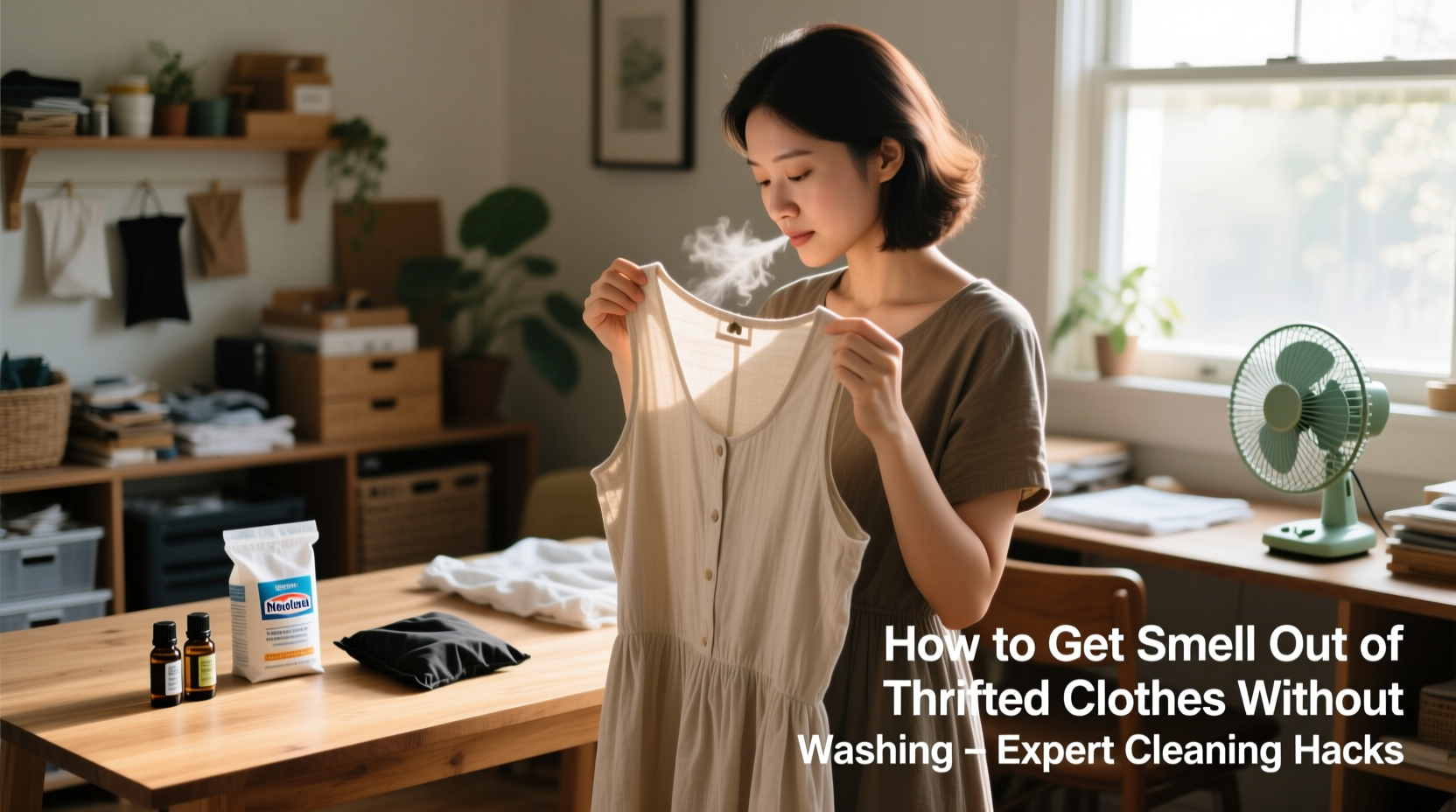
Fabrics act like sponges for volatile organic compounds (VOCs) released by sweat, smoke, mold, or perfumes. These odor molecules bind to fibers, especially natural ones like cotton, wool, and silk, which have porous surfaces. Over time, bacteria and mildew can embed deeper, making smells stubborn and difficult to eliminate. Washing works by lifting these particles with water and surfactants, but when laundering isn’t an option, alternative methods must target odor molecules directly—through absorption, neutralization, or dispersion.
Dry techniques such as airing, steaming, and using absorbent materials are effective because they either trap odor-causing agents or break down their chemical structure without stressing the fabric. Understanding this helps in choosing the right method based on fabric type, odor source, and available tools.
Top 5 Expert-Approved Methods to Remove Smell Without Washing
Professional textile conservators and vintage clothing dealers rely on non-aqueous techniques to preserve garments. Here are five proven strategies you can use at home.
1. Sunlight and Fresh Air (Nature’s Deodorizer)
Hanging clothes outside in direct sunlight is one of the oldest and most effective odor-removal methods. UV rays naturally kill odor-causing bacteria and break down organic compounds. The moving air carries away trapped scent molecules.
How to do it: Hang the garment on a clothesline or hanger in a shaded outdoor area during midday. Avoid direct sun for extended periods if the fabric is delicate or dyed, as UV can fade colors. Leave for 2–4 hours, flipping the item halfway through.
2. Baking Soda Absorption Technique
Baking soda (sodium bicarbonate) is a powerful odor absorber due to its ability to neutralize acidic and basic compounds. It doesn’t mask smells—it chemically alters them.
Method: Place the garment in a large plastic bin or clean pillowcase. Sprinkle a generous amount of baking soda over all surfaces, focusing on collars, underarms, and linings. Seal the container or tie the pillowcase shut and leave undisturbed for 8–24 hours. Shake out thoroughly outdoors or vacuum gently with a brush attachment.
This method is ideal for wool coats, felt hats, and stuffed jackets where moisture could cause felting or shrinkage.
3. Freezing to Kill Odor-Causing Microbes
While freezing won’t remove surface-level smells, it effectively kills bacteria and mold spores that contribute to persistent mustiness. Cold temperatures immobilize microbes and make them easier to remove later.
Step-by-step:
- Seal the garment in a zip-top freezer bag, removing as much air as possible.
- Label and freeze for at least 24 hours (48 hours for heavily soiled-smelling items).
- Remove and let thaw at room temperature for 1–2 hours.
- Air outside afterward to dissipate any residual odor.
Note: This method works best when combined with another technique, like baking soda or steaming.
“Freezing is a safe first step for vintage textiles. It halts microbial growth without introducing moisture.” — Dr. Lila Chen, Textile Conservation Specialist, Smithsonian Institution
4. Steam Treatment for Deep Odor Release
Steam penetrates fabric fibers, loosening trapped odor molecules and killing bacteria. Unlike washing, it adds minimal moisture and dries quickly, reducing risk to delicate materials.
Use a handheld garment steamer or hang clothes in a bathroom during a hot shower. For targeted treatment, hold the steamer nozzle 2–3 inches from the fabric, moving slowly across seams, collars, and pockets.
Caution: Avoid steaming acetate, rayon (unless labeled washable), or bonded fabrics, as heat can weaken fibers or melt adhesives.
5. Activated Charcoal or Scent-Free Dryer Sheets
Activated charcoal is highly porous and traps odor molecules through adsorption. Place charcoal pouches inside drawers or seal garments with charcoal packets in a breathable cotton bag for 2–3 days.
Alternatively, unscented dryer sheets contain cationic surfactants that bind to odor molecules. Tuck a few inside pockets or sleeves and store the garment in a sealed container for 12–24 hours.
Do’s and Don’ts: A Quick Reference Table
| Action | Do | Don't |
|---|---|---|
| Airing clothes | Hang in breezy, shaded outdoor area for 2–4 hours | Leave in direct sun for more than 1 hour (risk of fading) |
| Using baking soda | Apply lightly and shake off completely | Leave residue on silk or velvet (can abrade fibers) |
| Freezing | Use sealed bags; thaw before airing | Wet garments before freezing (ice crystals damage fibers) |
| Steaming | Use low heat on unknown fabrics; test small area first | Hold steamer too close or linger in one spot (causes water spots) |
| Using charcoal | Use pure activated charcoal in cloth pouches | Use impregnated charcoal with fragrances (may stain) |
Real Example: Reviving a Musty Wool Coat
Sarah, a vintage reseller in Portland, Oregon, purchased a 1970s camel-hair coat from a local estate sale. Despite its excellent condition, it carried a strong damp-closet smell. Knowing the lining was fragile and dry-clean-only, she avoided washing.
She began by hanging the coat outside on a sunny, windy afternoon for three hours. Next, she placed it in a large cotton storage bag with two activated charcoal pouches for 48 hours. After removing the charcoal, she lightly steamed the outer shell and inner seams using a handheld steamer on low setting. The final step was a light dusting of baking soda inside the lining, left for six hours before brushing off with a soft clothes brush.
The result? A fresh, wearable coat with no damage to fabric or structure. Sarah now uses this multi-step process routinely for her inventory, reporting a 90% success rate in odor removal without cleaning.
When to Combine Methods for Maximum Effect
No single method works universally. Combining techniques increases effectiveness, especially for deeply embedded odors. A strategic sequence enhances results:
- Freeze – Eliminate active microbes.
- Air out – Disperse volatile compounds with UV and airflow.
- Treat with baking soda or charcoal – Absorb residual particles.
- Steam – Refresh fibers and remove last traces of odor.
This layered approach mimics professional conservation practices and is especially useful for heirloom garments, fur-trimmed coats, or structured suits with padding.
Expert Tips for Specific Fabrics
- Silk: Avoid baking soda contact; use steam and charcoal only. Store rolled, not folded.
- Wool: Can tolerate freezing and light baking soda. Never wet unless hand-washing.
- Leather/Faux Leather: Wipe with vinegar-dampened cloth (test first), then air. Avoid steam.
- Lace/Embroidery: Use charcoal or dryer sheets in sealed container. Do not rub.
- Denim: Can handle freezing and airing. Baking soda is safe but must be fully removed.
Frequently Asked Questions
Can I use vinegar without washing?
Yes, but carefully. Dampen a clean cloth with diluted white vinegar (1 part vinegar to 3 parts water) and gently dab affected areas. Immediately air dry in a ventilated space. Vinegar neutralizes alkaline odors like sweat but should never be sprayed directly on silk or rayon.
Will Febreze work on thrifted clothes?
Febreze and similar sprays mask odors rather than eliminate them. While convenient, they can leave residues that build up over time, especially on delicate weaves. For long-term preservation, opt for physical removal methods instead.
How long does it take to remove smell without washing?
Most methods require 12–72 hours total. Airing takes a few hours, while absorption techniques need overnight exposure. For strong odors, repeat treatments may be necessary over several days.
Essential Checklist: Odor Removal Without Washing
Follow this checklist to ensure safe, effective deodorizing:
- Identify the fabric type and odor source
- Check for stains or pests (address separately)
- Vacuum gently with brush attachment to remove surface debris
- Choose 2–3 compatible methods from above
- Test on a hidden area first
- Apply primary method (e.g., freezing or baking soda)
- Follow with secondary method (e.g., airing or steaming)
- Inspect and repeat if needed
- Store in a clean, dry place with odor absorbers
Final Thoughts: Care That Honors the Garment
Removing odors from thrifted clothes without washing isn’t just about convenience—it’s about respect for the garment’s history and craftsmanship. Every vintage piece has a story, and proper care ensures it continues to be worn, appreciated, and passed on. By using gentle, intelligent methods, you protect delicate fibers, maintain structural integrity, and avoid unnecessary wear from repeated laundering.
These expert-backed techniques empower you to shop secondhand with confidence. Whether you’re building a capsule wardrobe, restoring family heirlooms, or curating vintage inventory, knowing how to safely refresh clothing expands what you can bring into your life.




 浙公网安备
33010002000092号
浙公网安备
33010002000092号 浙B2-20120091-4
Comments
No comments yet. Why don't you start the discussion?