
Growing a YouTube channel isn’t about luck—it’s about strategy, persistence, and understanding both your audience and the platform’s algorithm. Thousands of creators upload daily, but only those who master visibility, value, and consistency see real growth. Whether you're just starting or have been posting for months without traction, the path to success lies in deliberate action, not random uploads.
1. Define Your Niche and Target Audience
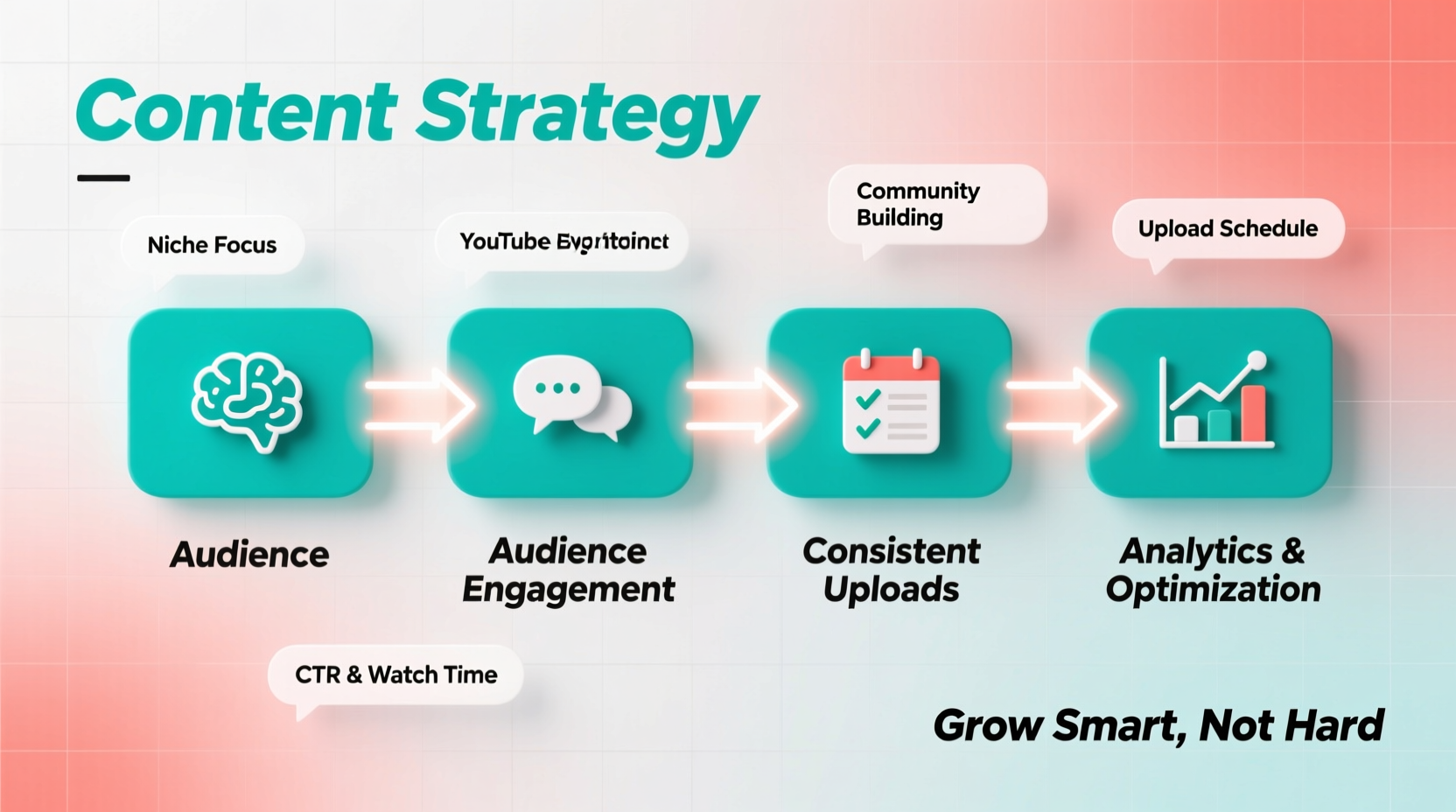
The foundation of any successful YouTube channel is clarity. You don’t need to appeal to everyone—you need to deeply serve a specific group. Channels that try to cover too many topics often fail to build loyal subscribers because they lack focus.
Start by asking: Who are you creating for? What problems do they have? What kind of content would make them hit “subscribe” and come back regularly?
For example, instead of making generic tech reviews, narrow it down to “budget smartphones under $300 for students.” That specificity helps YouTube recommend your videos to the right viewers—and keeps them watching longer.
2. Master the First 30 Seconds of Your Video
YouTube rewards retention. If viewers click away early, the algorithm won’t push your content further. The key to keeping people engaged starts within the first few seconds.
Your opening should immediately answer: Why should someone keep watching? Use a strong hook—pose a question, state a surprising fact, or show a quick preview of the payoff.
Example: Instead of saying, “Today I’ll talk about camera settings,” say, “If you’re using these three camera settings wrong, your photos will always look blurry—even with an expensive lens.” That creates curiosity and urgency.
“Your first 10 seconds aren’t just important—they’re everything. If you lose attention there, the rest doesn’t matter.” — Mark Schaefer, Digital Marketing Strategist
3. Optimize for Search and Discovery
YouTube is the second-largest search engine in the world. To grow, your videos must be discoverable. This means mastering YouTube SEO: optimizing titles, descriptions, tags, and captions.
- Title: Keep it under 60 characters, include primary keyword, and spark curiosity (e.g., “This One Setting Doubled My Views”)
- Description: First 2–3 sentences should summarize the video and include keywords. Add timestamps and links below.
- Tags: Use a mix of broad and specific tags (e.g., “YouTube growth,” “how to get more views,” “YouTube algorithm 2024”)
- Custom Thumbnail: High contrast, readable text, expressive faces or visuals. Avoid clutter.
| Element | Do | Avoid |
|---|---|---|
| Title | Include keyword + emotional trigger | Vague phrases like “You won’t believe this!” |
| Thumbnail | Bright colors, clear focal point | Too much text or low resolution |
| Description | Detailed summary with keywords and links | Empty or copied content |
| Tags | 3–5 relevant keywords | Irrelevant trending tags |
4. Build a Consistent Upload Schedule
Consistency builds trust—with both viewers and the algorithm. A creator who uploads every Tuesday at 6 PM trains their audience to expect new content, increasing watch likelihood.
You don’t need to post daily. Start with one high-quality video per week. Focus on reliability over frequency. Missing uploads signals instability to YouTube, which reduces recommendations.
Create a content calendar. Batch-record videos when you’re inspired. Use tools like Trello or Notion to plan topics, thumbnails, and publishing dates weeks in advance.
5. Engage Authentically to Build Community
Subscribers aren’t just numbers—they’re people. Respond to comments, ask questions in your videos, and encourage discussions. When viewers feel heard, they become advocates.
Use pinned comments to highlight thoughtful responses or pose follow-up questions. Feature user comments in future videos. Small gestures like this deepen loyalty.
One creator in the fitness niche grew from 500 to 50,000 subscribers in eight months simply by replying to every comment in the first 24 hours after upload. That level of engagement signaled to YouTube that the content was valuable—and boosted visibility.
“People don’t subscribe to algorithms. They subscribe to humans they relate to.” — Sarah Chen, YouTube Growth Consultant
Mini Case Study: From 0 to 10K in 5 Months
Jamie, a hobbyist baker, launched a YouTube channel focused on “easy desserts with 5 ingredients or less.” Her first few videos got fewer than 100 views. Instead of quitting, she analyzed her performance.
She noticed her highest-performing video—“5-Ingredient Chocolate Mug Cake”—had strong retention because she started with, “No oven? No problem. Make dessert in 90 seconds.” She replicated that fast-value format across all new videos.
She optimized titles with keywords like “quick,” “easy,” and “no bake,” created bright, clean thumbnails, and posted every Thursday. Within five months, she hit 10,000 subscribers and was featured in YouTube’s “Recommended” sidebar consistently.
Step-by-Step Guide to Launching a Growth-Focused Channel
- Research your niche: Identify 3–5 successful channels and reverse-engineer their content strategy.
- Define your unique angle: What can you offer that others don’t? Personal experience, humor, deeper tutorials?
- Create a content roadmap: Plan 10 video ideas based on keyword research and audience pain points.
- Invest in basic production: Clear audio, stable camera, good lighting (natural light works).
- Optimize each upload: Craft compelling titles, write detailed descriptions, design custom thumbnails.
- Promote strategically: Share in relevant Reddit threads, Facebook groups, or Pinterest boards—without spamming.
- Analyze weekly: Check YouTube Studio for CTR (click-through rate), average view duration, and traffic sources.
- Iterate and improve: Double down on what works; refine or drop what doesn’t.
Essential YouTube Growth Checklist
- ✅ Defined niche and target audience
- ✅ Optimized channel art and About section
- ✅ Consistent branding (colors, intro, tone)
- ✅ Keyword-optimized titles and descriptions
- ✅ Custom, eye-catching thumbnails
- ✅ Videos that deliver value in first 30 seconds
- ✅ Regular upload schedule (weekly or bi-weekly)
- ✅ Active engagement in comments
- ✅ Use of playlists to group related content
- ✅ Monthly review of analytics in YouTube Studio
FAQ
How long does it take to grow a YouTube channel?
There’s no fixed timeline. Some channels gain traction in 3–6 months with consistent effort, while others take over a year. Factors include niche competitiveness, content quality, and optimization. Focus on steady improvement, not overnight results.
Should I collaborate with other YouTubers?
Yes—especially early on. Collaborations expose your channel to new audiences. Reach out to creators with similar subscriber counts. Propose a mutually beneficial idea, such as a joint tutorial or challenge.
Is it worth paying for ads to promote my videos?
Not initially. Organic growth through SEO and engagement is more sustainable. Once you have a high-retention video, consider a small YouTube ad campaign to boost visibility—but only after refining your content strategy.
Conclusion
Growing a YouTube channel successfully isn’t about shortcuts—it’s about doing the right things consistently. Focus on solving real problems for a specific audience, optimize for discovery, and treat every viewer like a conversation partner. Over time, small improvements compound into significant growth.




 浙公网安备
33010002000092号
浙公网安备
33010002000092号 浙B2-20120091-4
Comments
No comments yet. Why don't you start the discussion?