
Water rings on wooden tables are a common household nuisance. Whether caused by a forgotten glass of iced tea or a damp dish placed directly on the surface, these marks can dull the appearance of even the most beautiful furniture. Many people assume that refinishing or stripping the table is the only solution, but that’s rarely necessary. With the right techniques, you can often lift water stains safely and preserve the original finish. This guide walks through scientifically sound, non-invasive methods to restore your wood table—without sanding, stripping, or risking further damage.
Understanding Water Rings on Wood
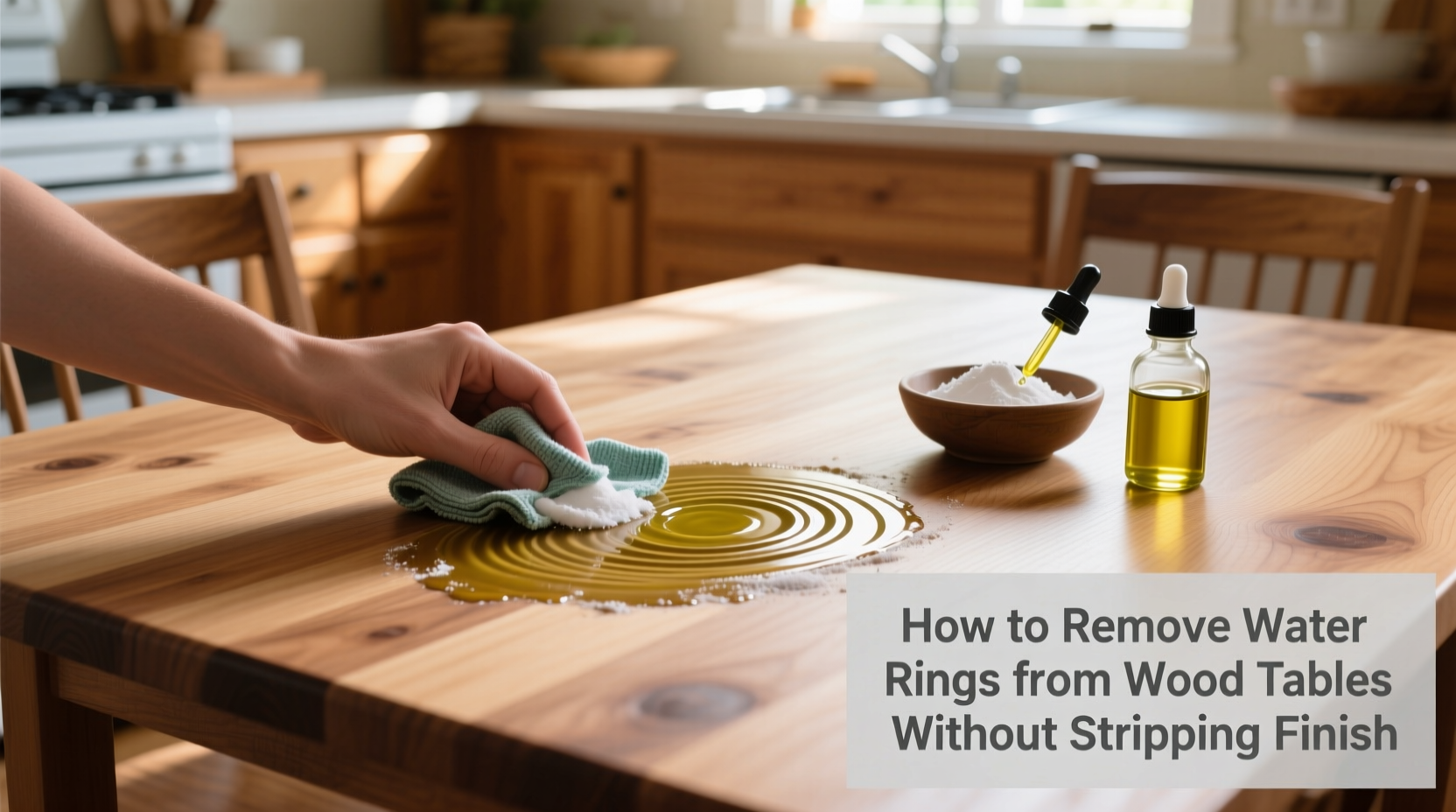
Before attempting removal, it's essential to understand what a water ring actually is. When moisture comes into contact with a finished wood surface, it doesn’t immediately soak in like raw wood. Instead, the liquid gets trapped between the wood fibers and the protective coating—typically polyurethane, lacquer, or wax. This creates a cloudy or white spot due to light refraction within the trapped moisture layer.
There are two types of water damage:
- Surface Stains (White Rings): These appear as milky or cloudy spots just beneath the finish. They are usually reversible with gentle treatments.
- Deep Penetration (Dark Spots or Swelling): If water has soaked through cracks or worn areas in the finish, it may cause discoloration or warping. These require more intensive restoration and may need professional attention.
The good news? Most everyday water rings fall into the first category and respond well to at-home care. The key is acting quickly and avoiding harsh chemicals or abrasives that could compromise the existing finish.
Step-by-Step Guide to Remove Water Rings Safely
Removing a water ring without damaging the finish involves drawing out trapped moisture while preserving the integrity of the sealant. Below is a tested, five-step process using household items or easily sourced products.
- Dry the Area Completely
Begin by ensuring the area is no longer damp. Use a dry microfiber cloth to gently wipe the surface. Avoid rubbing—press lightly to absorb any residual moisture. Let the table sit in a warm, dry room for several hours to allow deeper moisture to evaporate naturally. - Apply Mayonnaise or Petroleum Jelly
Surprisingly effective, both mayonnaise and petroleum jelly work by penetrating the finish slightly and helping to draw out trapped moisture. The oils soften the affected area, allowing trapped water vapor to escape.- For mayonnaise: Apply a thin layer over the ring using a soft cloth.
- For petroleum jelly: Use a cotton swab to apply a small amount directly onto the stain.
- Gently Buff the Surface
After removing the wrap, use a clean, lint-free cloth to gently buff the area in circular motions. Do not press hard. The goal is to polish, not abrade. If the ring persists, repeat the application once more before moving to stronger methods. - Try a Hairdryer on Low Heat
Warmth helps accelerate evaporation. Hold a hairdryer 6–8 inches from the surface and use the lowest heat setting. Move it constantly in a sweeping motion for no more than 30 seconds at a time. Check frequently—overheating can bubble the finish or darken the wood. Stop immediately if you notice any change in color or texture. - Finish with Furniture Polish
Once the ring is gone, restore luster with a high-quality paste wax or oil-based furniture polish. Apply according to product instructions, then buff to a soft sheen. This also adds a fresh protective layer against future moisture exposure.
Alternative Methods and Their Effectiveness
While mayonnaise and heat are popular, other remedies exist—some more reliable than others. Here’s a comparison of commonly suggested solutions:
| Method | How It Works | Effectiveness | Risk Level |
|---|---|---|---|
| Mayonnaise | Oils penetrate slightly, drawing out moisture | High for fresh stains | Low |
| Petroleum Jelly | Seals in warmth and draws out trapped vapor | High with prolonged application | Low |
| Hairdryer (low heat) | Speeds up evaporation | Moderate, best combined with oils | Medium (risk of bubbling) |
| Baking Soda Paste | Abrasive; can scratch finish | Low to none | High |
| Toothpaste | Mildly abrasive; marketed falsely online | Negligible | High (damages finish) |
| Iron & Towel Method | Heat pulls moisture upward through a cloth | High when done correctly | Medium (requires caution) |
Note: Baking soda and toothpaste should be avoided entirely. Despite viral popularity, their abrasiveness can permanently haze or etch the finish, making the problem worse.
The Iron and Towel Technique (Advanced Option)
If gentler methods fail, especially on older or stubborn rings, the iron-and-towel method can be effective—but requires precision.
- Dampen a clean cotton cloth (like a tea towel) with a few drops of water—just enough to be slightly moist, not wet.
- Place it directly over the water ring.
- Set a clothes iron to low or medium heat (no steam).
- Press the iron over the cloth for 5–10 seconds at a time, lifting and checking after each pass.
- Repeat until the ring begins to fade. Moisture should rise into the cloth.
- Immediately wipe the area dry and apply furniture wax afterward.
“Using heat to reverse water damage works only when applied carefully. Too much heat too fast can ruin a finish in seconds.” — Daniel Reeves, Master Furniture Restorer, Hudson Valley Antique Workshop
Real Example: Reviving a Heirloom Dining Table
Sarah Thompson, a homeowner in Portland, Oregon, inherited a walnut dining table from her grandmother. After a family dinner, she noticed three distinct white rings left by wine glasses. Fearing permanent damage, she researched options before trying anything drastic.
She began with mayonnaise, applying it each night for two days. The smallest ring disappeared completely. The larger ones faded but remained visible. She then used the iron-and-towel method cautiously, applying heat in 7-second bursts. By the third attempt, all rings were gone. She finished by polishing the entire surface with beeswax, restoring its original glow.
“I was ready to call a refinisher,” Sarah said. “But saving the original finish meant preserving years of history. I’m so glad I took the time to do it right.”
Prevention Checklist: Protect Your Wood Tables Long-Term
Once you’ve removed water rings, take steps to prevent recurrence. Use this checklist to safeguard your furniture:
- ✅ Always use coasters under glasses, especially those with condensation.
- ✅ Place placemats or tablecloths during meals to create a moisture barrier.
- ✅ Avoid leaving wet items (like phone chargers or flower vases) directly on the surface.
- ✅ Dust regularly with a microfiber cloth to maintain finish clarity.
- ✅ Re-wax or re-polish every 3–6 months, depending on usage.
- ✅ Keep the room humidity between 40–60% to stabilize wood expansion and contraction.
- ✅ Never use ammonia, bleach, or window cleaners on finished wood surfaces.
Frequently Asked Questions
Can vinegar remove water rings from wood?
No. Vinegar is acidic and can break down finishes like varnish or polyurethane over time. While some suggest mixing it with oil, the risk outweighs any potential benefit. Stick to neutral pH-safe methods instead.
What if the water ring turned dark?
A dark spot indicates deeper moisture penetration, possibly leading to mold or wood rot. Surface remedies won’t work. Light sanding followed by touch-up stain and resealing may be required. For valuable pieces, consult a professional restorer.
How long does it take to remove a water ring?
Fresh rings often vanish within hours using mayonnaise or petroleum jelly. Older or multiple-layered stains may take 24–48 hours of repeated treatment. Patience yields better results than aggressive tactics.
Final Thoughts: Preserve Finish, Save Time, Maintain Beauty
Removing water rings from wood tables doesn’t require stripping, sanding, or expensive tools. In most cases, simple household items and careful technique are all you need. The secret lies in understanding how moisture interacts with the finish and responding with gentle, targeted action.
By mastering these methods, you protect not just the appearance of your furniture, but its value and longevity. Every scratch avoided and every finish preserved extends the life of your cherished pieces. Whether it’s a modern coffee table or a family heirloom, proper care ensures it remains a centerpiece for years to come.




 浙公网安备
33010002000092号
浙公网安备
33010002000092号 浙B2-20120091-4
Comments
No comments yet. Why don't you start the discussion?