
Walking through a park or down the sidewalk, you might see an adorable dog on a leash and feel the urge to say hello. But not all dogs welcome interaction — especially when they’re tethered. A leashed dog may feel restricted, anxious, or protective, making greetings more complex than they appear. Understanding how to approach a leashed dog safely and respectfully benefits everyone: the dog, the owner, and you. With the right techniques, you can foster calm, positive interactions and avoid triggering fear or aggression.
Why Leashed Dogs React Differently
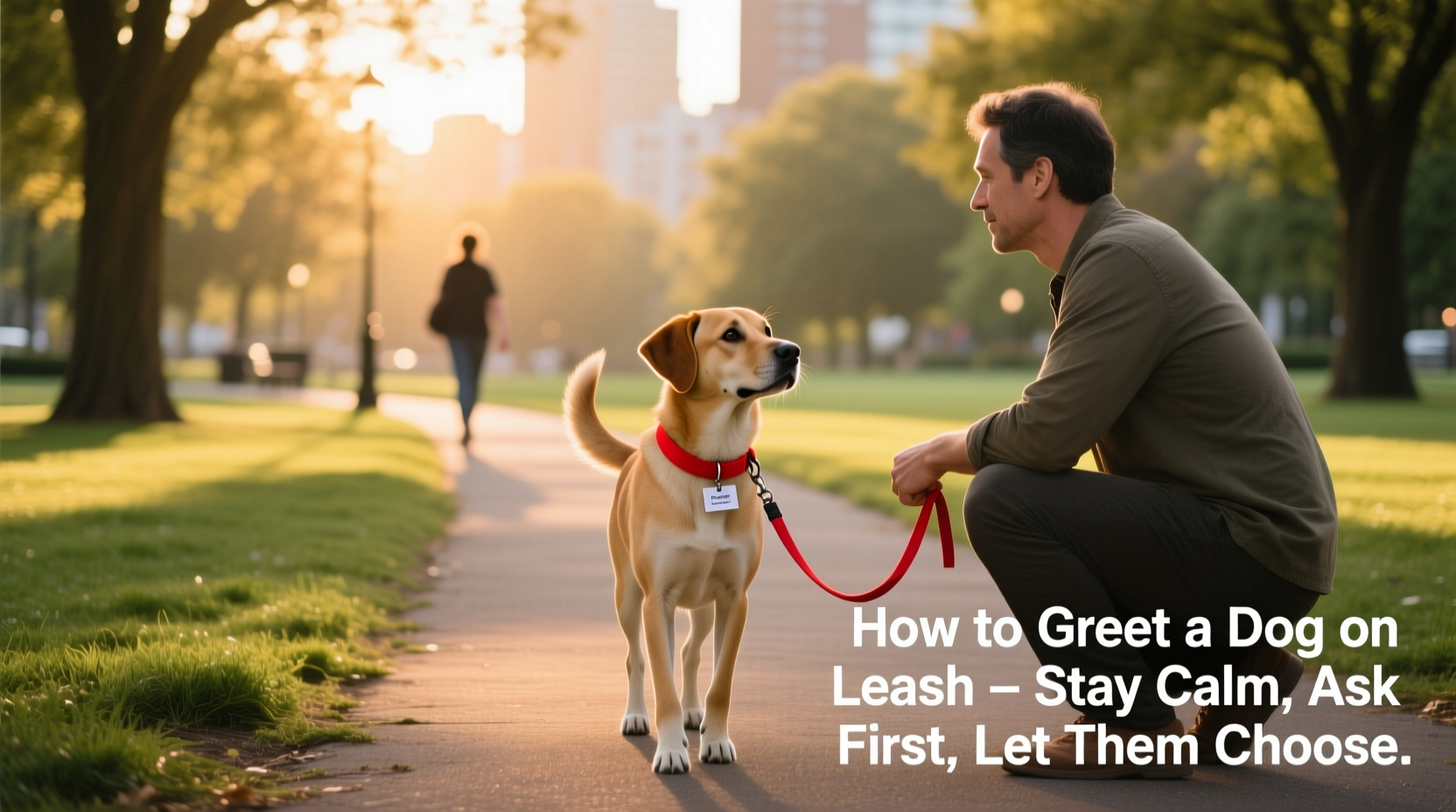
Dogs off-leash in open spaces often have the freedom to choose whether to engage. On a leash, however, their options are limited. This restriction can lead to what’s known as “leash reactivity” — behaviors like barking, lunging, or growling that stem from frustration, fear, or overstimulation. Even friendly dogs can become tense when they feel they can’t control their space.
Owners may also be cautious about unsolicited interactions. They know their dog’s temperament best and may prefer to avoid stress triggers. Respecting this dynamic is essential for maintaining trust between pets, owners, and the public.
“Dogs communicate primarily through body language. When leashed, their ability to use distance as a calming signal is compromised, which increases the risk of miscommunication.” — Dr. Sophia Yang, Certified Applied Animal Behaviorist
Step-by-Step Guide to a Safe and Polite Approach
Greeting a leashed dog isn’t just about getting close — it’s about creating a low-pressure environment where both the dog and owner feel respected. Follow these steps to ensure a positive encounter:
- Ask the Owner First: Never reach for a dog without permission. Say, “Is your dog friendly? May I say hello?” This shows respect and allows the owner to assess their dog’s current mood.
- Observe Body Language: Before approaching, scan the dog’s posture. Ears back, tail tucked, stiff stance, or lip licking suggest discomfort. A relaxed wag, soft eyes, and loose body mean the dog may be open to interaction.
- Approach at an Angle, Not Head-On: Direct eye contact and frontal advances can feel threatening. Walk slightly sideways and avoid towering over the dog.
- Let the Dog Come to You: Crouch to the side (not face-on), keep your hands low and relaxed, and wait. If the dog sniffs you willingly, that’s consent to gentle petting under the chin or on the chest — not over the head.
- Keep It Brief: Even friendly dogs can become overwhelmed. Limit petting to 10–15 seconds and watch for signs of disinterest or stress, like turning away or yawning.
- Disengage Calmly: Slowly stand up and step back without sudden movements. Thank the owner and continue on your way.
Do’s and Don’ts of Greeting Leashed Dogs
| Do | Don’t |
|---|---|
| Always ask the owner before interacting | Assume every dog wants attention |
| Approach calmly and slowly | Run toward or make loud noises |
| Pet under the chin or on the chest | Reach over the dog’s head abruptly |
| Respect the dog’s space if they turn away | Force interaction if the dog seems hesitant |
| Use a soft voice and relaxed posture | Stare directly into the dog’s eyes |
Real Example: A Misstep Turned Learning Moment
Jamie was walking through a neighborhood when she saw a small terrier on a leash. The dog was wagging its tail, so she assumed it was friendly. Without asking the owner, she bent down and reached her hand out directly toward the dog’s face. The dog flinched, growled, and pulled back. The owner apologized but explained that while the dog liked people, he was wary of sudden movements.
Later, Jamie learned that tail wagging doesn’t always mean friendliness — it can signal arousal or anxiety. She now waits for permission and lets dogs approach her hand at their own pace. That single moment changed how she interacts with all dogs, making future encounters calmer and more respectful.
Checklist: Preparing for a Polite Dog Encounter
- ✅ Ask the owner for permission before approaching
- ✅ Observe the dog’s body language for signs of stress
- ✅ Approach from the side, avoiding direct eye contact
- ✅ Keep your hands low and let the dog sniff you first
- ✅ Pet gently under the chin or on the chest, not the head
- ✅ Keep the interaction short and end calmly
- ✅ Respect a “no” from the owner without question
Special Considerations: Service Dogs and Working Canines
Service dogs, therapy dogs, and working breeds like police or search-and-rescue dogs are on duty when leashed and wearing identifying gear. Interacting with them, even with good intentions, can distract them from critical tasks. These dogs are trained to ignore distractions — including petting and verbal greetings — and breaking their focus could compromise safety.
Frequently Asked Questions
What if the owner says yes but the dog backs away?
Respect the dog’s choice. Even with owner permission, the dog may not feel comfortable. Withdraw your hand slowly and say something like, “No worries — maybe another time.”
Can children greet leashed dogs?
Only under adult supervision and with explicit owner approval. Teach children to stay still, avoid sudden movements, and never hug or kiss a dog they don’t know. A crouched child can appear threatening to a dog, so it’s safer for kids to observe rather than initiate contact.
Is it okay to offer treats during a greeting?
Only if the owner confirms it’s allowed. Some dogs have dietary restrictions, medical conditions, or training protocols that prohibit outside food. Always let the owner hand the treat, rather than offering it directly.
Conclusion: Building a Culture of Respectful Interaction
Greeting a leashed dog isn’t just about politeness — it’s about safety, empathy, and understanding animal behavior. Every dog has unique boundaries, and every owner appreciates someone who takes the time to honor them. By pausing, observing, and asking first, you contribute to a more harmonious environment for people and pets alike.
Next time you see a dog on a leash, remember: patience and respect go much further than a quick pet. These small actions build trust, reduce stress, and create better experiences for everyone involved.




 浙公网安备
33010002000092号
浙公网安备
33010002000092号 浙B2-20120091-4
Comments
No comments yet. Why don't you start the discussion?