
Grilling tri tip on a gas grill is one of the most reliable ways to achieve tender, smoky beef with a perfect crust. Often called the \"poor man’s brisket,\" this cut from the bottom sirloin offers rich flavor and excellent marbling when cooked correctly. While it may seem intimidating at first, mastering tri tip on a gas grill comes down to temperature control, timing, and proper resting. With the right approach, you can serve restaurant-quality meat in under an hour—right from your backyard.
Selecting the Right Tri Tip
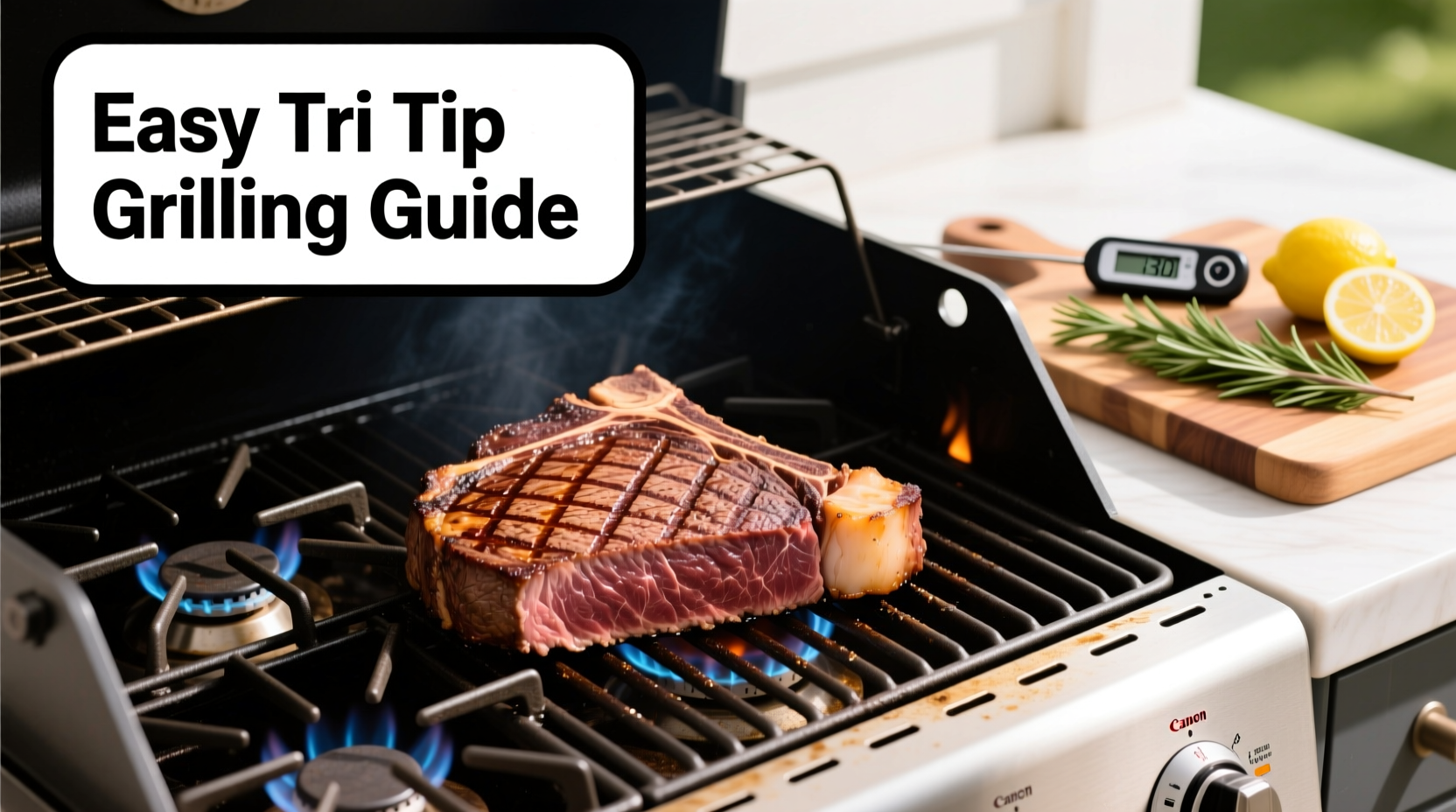
The foundation of a great grilled tri tip starts at the butcher counter. Look for a cut that weighs between 2 and 3 pounds with even thickness and visible marbling. Uniform thickness ensures more consistent cooking, reducing the risk of overcooked edges and underdone centers.
Freshness matters. Choose bright red meat with minimal browning or liquid pooling in the package. If possible, ask your butcher to trim excess fat—leaving about ¼ inch helps with flavor and moisture during grilling.
Preparing the Tri Tip for the Grill
Before hitting the heat, prep work sets the stage for success. Remove the tri tip from the refrigerator 30–45 minutes before grilling. Cold meat sears unevenly and resists seasoning absorption.
Dry the surface thoroughly with paper towels. Moisture is the enemy of a good sear. Then apply a generous layer of seasoning. A simple rub works best: kosher salt, freshly ground black pepper, garlic powder, and smoked paprika. For extra depth, add onion powder and a touch of brown sugar.
Some prefer marinades for added moisture and flavor infusion. A basic marinade of olive oil, soy sauce, Worcestershire, minced garlic, and fresh rosemary works well when allowed to soak for 2–4 hours (but not longer than 8 to avoid texture breakdown).
“Salt early and generously—it enhances flavor and helps form a crisp crust.” — Chef Marcus Rivera, Grilling Specialist
Step-by-Step Guide to Grilling Tri Tip on a Gas Grill
Gas grills offer precise temperature control, making them ideal for reverse-searing or two-zone grilling methods. Follow these steps for optimal doneness and juiciness.
- Preheat the grill: Turn all burners to high and preheat for 10–15 minutes until the temperature reaches 450–500°F.
- Set up two zones: After preheating, turn off one side of the burners to create indirect heat. You now have a hot searing zone and a cooler finishing zone.
- Sear the meat: Place the tri tip over direct heat. Sear each side for 3–4 minutes until a deep brown crust forms. Use tongs to sear the edges if needed.
- Move to indirect heat: Transfer the meat to the cooler side. Close the lid and cook until the internal temperature reaches your desired doneness.
- Monitor internal temperature: Insert a meat thermometer into the thickest part. Remove the tri tip at 5°F below your target temp to account for carryover cooking.
- Rest the meat: Let it rest, loosely tented with foil, for 10–15 minutes. This allows juices to redistribute.
- Slice against the grain: Identify the direction of the muscle fibers and cut perpendicular to them. Thin slices (about ¼ inch) ensure tenderness.
Cooking Temperatures and Doneness Guide
Doneness is personal, but precision ensures consistency. The following table outlines target temperatures for different levels of doneness.
| Doneness | Internal Temp (°F) | Color & Texture |
|---|---|---|
| Rare | 120–125°F (remove at 115–120°F) | Deep red center, very soft |
| Medium Rare | 130–135°F (remove at 125–130°F) | Pink center, warm red, springy to touch |
| Medium | 140–145°F (remove at 135–140°F) | Light pink center, firmer texture |
| Medium Well | 150–155°F (remove at 145–150°F) | Slight pink, mostly gray-brown |
| Well Done | 160°F+ | No pink, firm and dry (not recommended) |
For tri tip, medium rare (130–135°F) delivers the best balance of juiciness and flavor. Overcooking dries out this lean cut quickly.
Avoiding Common Mistakes
Even experienced grillers make errors that compromise texture and taste. Here are the most frequent pitfalls and how to avoid them.
- Slicing too soon: Cutting immediately after grilling releases precious juices. Rest for at least 10 minutes.
- Not checking grain direction: Slicing with the grain creates chewy, tough bites. Always identify and cut across the fibers.
- Over-marinating: Acidic ingredients like vinegar or citrus can break down proteins excessively, resulting in mushy texture.
- Using only direct heat: Cooking entirely over high flame burns the outside before the inside cooks. Two-zone setup prevents this.
- Skipping the sear: A proper crust locks in flavor and adds complexity through the Maillard reaction.
Real Example: Backyard BBQ Success Story
John, a home cook from Sacramento, used to struggle with dry, tough tri tip. He’d season it simply, throw it on a blazing-hot grill, and flip it every few minutes. The result? Charred outside, raw center, and inconsistent slices.
After switching to a two-zone method on his propane grill and using a meat thermometer, everything changed. He started searing over direct heat, then moved the meat to indirect heat until it hit 130°F. After resting for 12 minutes, he sliced against the grain. His guests were stunned by the juiciness and bold flavor. Now, it’s his go-to dish for summer gatherings.
Essential Grilling Checklist
Use this checklist to ensure nothing is missed before, during, and after grilling.
- ☑ Select a 2–3 lb tri tip with good marbling
- ☑ Trim excess fat (leave ¼ inch)
- ☑ Season or marinate 30 min to 4 hours ahead ☑ Bring meat to room temperature before grilling
- ☑ Preheat gas grill to 450–500°F
- ☑ Set up two-zone cooking (direct + indirect)
- ☑ Sear 3–4 minutes per side over direct heat
- ☑ Move to indirect heat and monitor internal temp
- ☑ Remove at 5°F below target doneness
- ☑ Rest for 10–15 minutes, tented with foil
- ☑ Slice thinly against the grain
Frequently Asked Questions
Can I grill tri tip without a meat thermometer?
You can, but it's risky. Visual cues like juice color or finger tests are unreliable. A digital thermometer is inexpensive and dramatically improves results. It’s the single best tool for grilling accuracy.
How long should I marinate tri tip?
Marinate for 2 to 8 hours. Longer than 8 hours—especially with acidic ingredients—can weaken the meat’s texture. If using a dry rub, 30 minutes to 2 hours is sufficient.
Why is my tri tip tough?
Toughness usually comes from slicing with the grain or overcooking. Ensure you identify the grain direction before cutting and pull the meat off the grill at medium rare or medium. Also, never skip the rest period.
Final Tips for Consistent Results
Mastering tri tip on a gas grill isn’t about complicated techniques—it’s about consistency. Stick to the fundamentals: proper seasoning, two-zone heat, accurate temperature monitoring, and adequate resting. Keep a log of cooking times and temps for future reference. Each tri tip varies slightly in thickness, so adjust accordingly.
Consider experimenting with wood chips for smoke flavor. Soak hickory or oak chips for 30 minutes, place them in a smoker box, and position over the active burner. Even a gas grill can deliver authentic barbecue aroma.
Conclusion
Grilling tri tip on a gas grill doesn’t require special skills—just attention to detail. From selecting the right cut to slicing it properly, every step contributes to a delicious outcome. Whether you're feeding family or hosting a weekend cookout, this method delivers juicy, flavorful beef with minimal fuss.




 浙公网安备
33010002000092号
浙公网安备
33010002000092号 浙B2-20120091-4
Comments
No comments yet. Why don't you start the discussion?