
Living in a compact apartment or a home with limited natural light doesn’t mean you have to give up on fresh herbs. Many urban dwellers assume that successful herb gardening requires a sunny windowsill or outdoor access, but with the right approach, it’s entirely possible to cultivate flavorful, healthy herbs even in dimly lit corners of small kitchens or windowless rooms. The key lies in selecting the right plants, optimizing available resources, and understanding how to compensate for environmental limitations. This guide walks through actionable strategies to grow herbs successfully indoors—no garden, no full sun, no problem.
Choosing Herbs That Thrive in Low Light
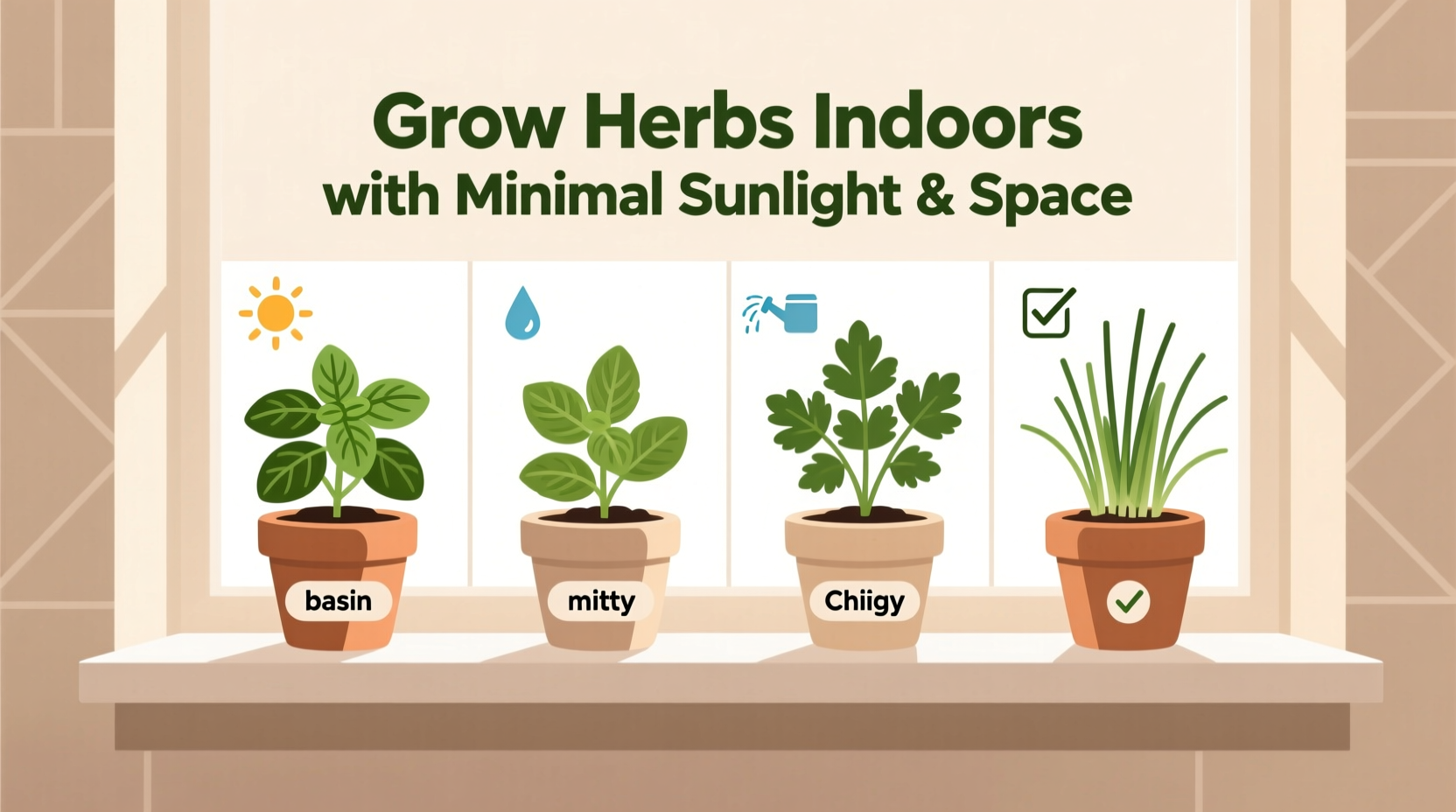
Not all herbs demand bright, direct sunlight. Some are naturally adapted to lower light conditions and can flourish with just a few hours of indirect daylight or even under artificial lighting. Selecting these varieties dramatically increases your chances of success when growing indoors with limited exposure.
Herbs like parsley, chives, mint, lemon balm, and Vietnamese coriander tolerate shade well and are excellent choices for low-light environments. These plants evolved in forest understories or shaded regions, making them more efficient at photosynthesis under subdued conditions. In contrast, sun-loving herbs such as rosemary, thyme, and basil require at least 6–8 hours of direct sunlight daily and are less suitable unless supplemented with grow lights.
Mint, while vigorous, should be grown in its own container to prevent it from overtaking other plants. Parsley grows slowly but steadily in cooler, shadier spots. Chives adapt well to indoor conditions and regrow quickly after harvesting. These herbs not only survive low light but can enhance air quality and add greenery to compact living spaces.
Maximizing Limited Space with Smart Containers
Space constraints call for creative solutions. Vertical planters, wall-mounted pots, tiered shelves, and stackable containers allow you to grow multiple herbs without occupying valuable counter or floor space. Even a narrow kitchen ledge can host several small pots if arranged efficiently.
Use containers with drainage holes to prevent root rot—a common issue in overwatered indoor plants. Choose lightweight materials like plastic or fiberglass if mounting on walls, and ensure each pot is sized appropriately for the herb’s root system. For example, chives need about 6 inches of depth, while mint spreads widely and benefits from a slightly larger diameter.
| Herb | Pot Size (Minimum) | Light Requirement | Best Container Type |
|---|---|---|---|
| Chives | 6\" deep, 4–6\" wide | 3–4 hrs indirect light | Plastic or ceramic |
| Parsley | 8\" deep, 6\" wide | 4 hrs indirect light | Ceramic or fabric pot |
| Mint | 8\" deep, 10\" wide | 3–5 hrs indirect light | Standalone plastic pot |
| Lemon Balm | 6–8\" deep | 3–4 hrs indirect light | Hanging or shelf pot |
Consider grouping containers on a rolling cart or a narrow shelving unit near a north-facing window. This mobile setup allows you to reposition herbs seasonally or shift them closer to artificial lights when needed.
Using Artificial Lighting Effectively
When natural sunlight is insufficient, LED grow lights offer an energy-efficient, long-term solution. Unlike older fluorescent or incandescent bulbs, modern full-spectrum LEDs mimic sunlight and provide the wavelengths most beneficial for plant growth—especially blue (for foliage) and red (for flowering and development).
For low-light herb gardens, a simple clip-on LED grow light or a small desk-style lamp with a timer can deliver consistent illumination. Position the light 6–12 inches above the plants and set it to run for 12–14 hours per day. Avoid leaving lights on 24/7; plants need darkness to respire and rest.
“Even in windowless apartments, herbs can thrive with just 12 hours of quality artificial light daily. The key is consistency and proper spectrum.” — Dr. Lena Torres, Urban Horticulturist, Brooklyn Botanic Garden
Look for lights labeled “full-spectrum” with a color temperature between 5000K and 6500K. These emit a balanced white light that supports vegetative growth. Budget-friendly options include plug-in LED strips with built-in timers or adjustable gooseneck lamps designed for indoor plants.
Step-by-Step Guide to Setting Up a Low-Light Herb Garden
- Assess your space: Identify areas with ambient light—near a kitchen window, bathroom skylight, or entryway. Measure available width and height.
- Select 2–3 low-light herbs: Begin with chives, parsley, or mint. Purchase seedlings from a nursery or start from seeds indoors.
- Choose appropriate containers: Use pots with drainage and fill with high-quality potting mix (avoid garden soil).
- Position near indirect light: Place herbs within 3 feet of a north- or east-facing window. Rotate pots weekly for even growth.
- Install supplemental lighting (if needed): Add a $20–$30 LED grow light on a timer for 12 hours/day.
- Water mindfully: Check soil moisture by inserting a finger 1 inch deep. Water only when dry.
- Fertilize monthly: Use diluted liquid seaweed or compost tea every 4 weeks during active growth (spring–summer).
- Harvest regularly: Trim outer leaves first, never removing more than one-third of the plant at once.
Common Mistakes and How to Avoid Them
Indoor herb gardening comes with pitfalls, especially in constrained environments. Overwatering is the leading cause of failure—many people assume herbs need daily watering, but in low-light conditions, soil dries slowly. Soggy roots lead to mold, fungus gnats, and eventual plant death.
Another frequent error is placing herbs too far from light sources. Even shade-tolerant plants need some illumination. A plant stretched and leaning toward a distant window is signaling distress. Similarly, using poor-quality soil that compacts over time restricts airflow and nutrient uptake.
- Don’t overcrowd containers: One herb per pot prevents competition and disease spread.
- Avoid cold drafts: Keep herbs away from AC vents, open windows in winter, and exterior doors.
- Don’t harvest too aggressively: Frequent light trimming encourage bushiness; heavy pruning weakens stressed plants.
“Beginners often focus on light but neglect airflow. Stagnant air invites mildew. A small fan on low setting improves resilience.” — Carlos Mendez, Indoor Gardening Consultant
Real-Life Example: A Brooklyn Apartment Kitchen Garden
Sophie, a software developer living in a 500-square-foot Brooklyn studio, wanted fresh herbs for cooking but had only a narrow countertop beside a frosted bathroom window. With less than two hours of natural light daily, she initially struggled with wilted basil and stunted thyme.
After researching low-light options, she switched to chives, parsley, and lemon balm. She mounted two wall pockets near the kitchen sink and added a $25 adjustable LED grow light on a shelf above. Using a timer, she set the light to turn on at 7 a.m. and off at 7 p.m.
Within six weeks, her chives were thick and green, producing enough for omelets and salads twice a week. Parsley grew slowly but steadily, and lemon balm became fragrant enough to brew occasional herbal tea. By rotating pots and harvesting gently, Sophie maintained a continuous supply without needing replacements.
Her setup cost under $60 and occupied less than two square feet—proof that thoughtful planning can overcome space and light limitations.
Essential Care Checklist
✅ Indoor Herb Care Checklist:
- Choose shade-tolerant herbs: chives, parsley, mint, lemon balm
- Use pots with drainage and quality potting mix
- Place within 3 feet of indirect light source
- Add full-spectrum LED grow light (12–14 hrs/day)
- Water only when top inch of soil is dry
- Fertilize monthly with organic liquid feed
- Prune outer leaves regularly to promote growth
- Monitor for pests like aphids or spider mites
- Keep away from heating vents and cold drafts
- Rotate pots weekly for even light exposure
Frequently Asked Questions
Can I grow herbs in a room with no windows?
Yes, but only with reliable artificial lighting. Full-spectrum LED grow lights provide the necessary light energy for photosynthesis. Pair consistent light (12–14 hours daily) with proper watering and ventilation for success.
Why are my indoor herbs turning yellow?
Yellowing leaves usually indicate overwatering or poor drainage. Ensure pots have holes, use well-aerated soil, and let the top layer dry between waterings. Low light and lack of nutrients can also contribute—consider adding a mild fertilizer if the plant shows slow growth.
How often should I harvest indoor herbs?
Harvest lightly every 1–2 weeks during active growth. Regular trimming encourages bushier plants. Never remove more than 30% of the foliage at once, especially in low-light conditions where recovery is slower.
Conclusion: Fresh Flavor Is Within Reach
Growing herbs indoors without abundant sunlight or space isn’t just possible—it’s practical and rewarding. By choosing resilient varieties, leveraging affordable technology like LED lights, and applying mindful care routines, anyone can enjoy fresh-cut chives on scrambled eggs or mint in their evening tea—all from a tiny corner of their home.
The beauty of indoor herb gardening lies in its simplicity and accessibility. You don’t need a greenhouse, yard, or perfect conditions. Just a few pots, a little patience, and the willingness to experiment. Start small, learn from each plant, and gradually expand your mini indoor farm. Before long, you’ll find yourself reaching for homegrown flavor instead of dried packets—proof that even the smallest green space can yield big culinary rewards.




 浙公网安备
33010002000092号
浙公网安备
33010002000092号 浙B2-20120091-4
Comments
No comments yet. Why don't you start the discussion?