
Growing out bangs is one of the most challenging hair transitions. What once felt like a bold, flattering choice can quickly become an awkward stage—too long to style as bangs, too short to blend with the rest of your hair. The result? A fringe that falls limply across your forehead, drawing attention instead of framing your face. But it doesn’t have to be this way. With the right techniques, tools, and mindset, you can navigate the grow-out phase with confidence and even style. The key is to work *with* your growing hair, not against it.
This guide dives into practical, real-world strategies that stylists use behind the chair. From clever parting tricks to heat-free texture hacks, you’ll discover how to maintain polish and personality while your bangs catch up to the rest of your length. No more hiding behind hats or headbands—just smart, sustainable solutions that keep you looking put-together every step of the way.
Why Bangs Feel Frumpy During the Grow-Out Phase
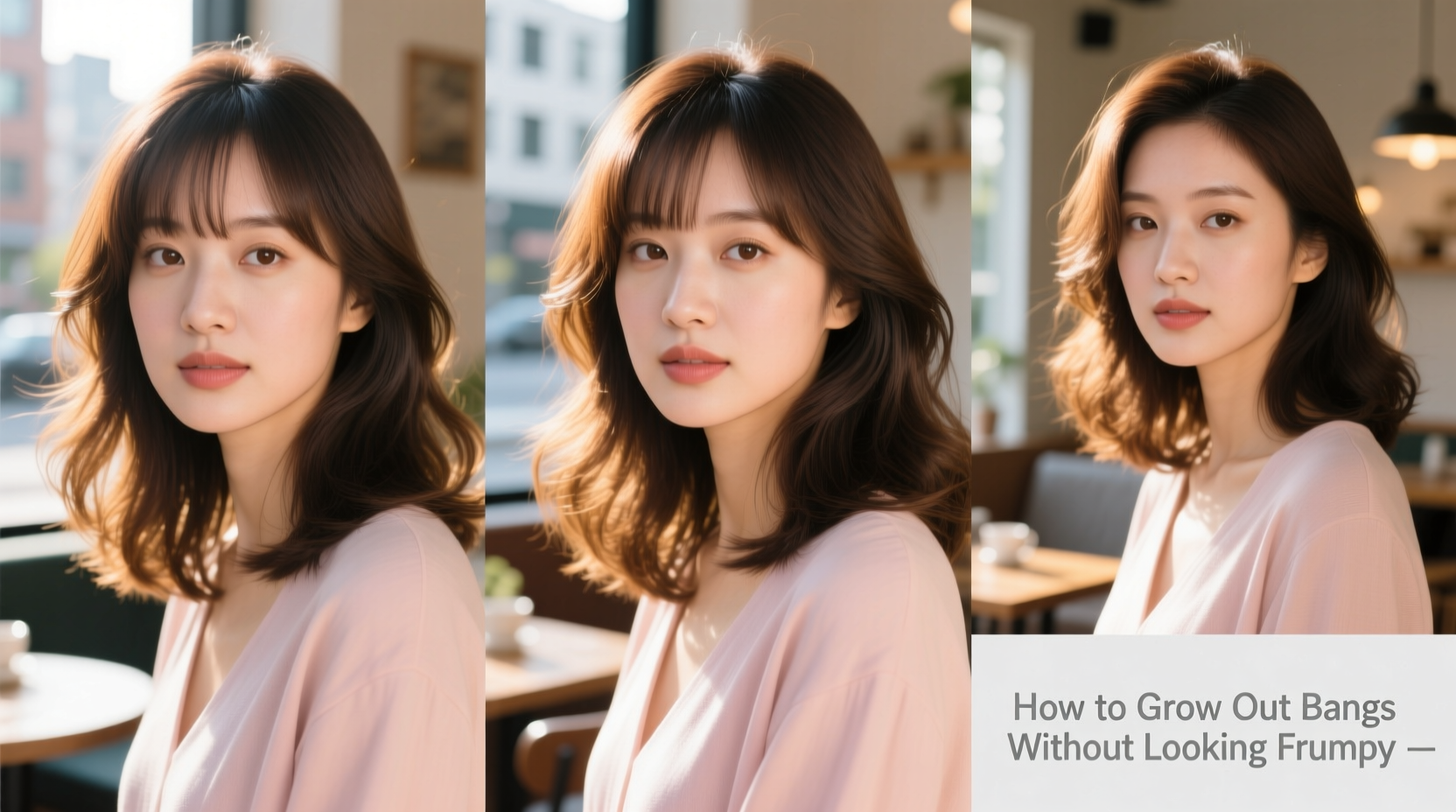
The discomfort many feel during the grow-out phase isn’t just psychological—it’s rooted in how hair interacts with facial structure. When bangs are freshly cut, they’re typically layered and shaped to complement your bone structure, eyes, and hairline. As they grow, they lose their original shape and begin to fall straight down, often becoming heavier and more blunt. This disrupts the balance of your hairstyle and can visually shorten your face or emphasize features you’d prefer to soften.
Additionally, longer bangs tend to absorb oil faster than the rest of your hair due to proximity to the scalp and forehead. Without proper texturizing, they can look greasy by midday, contributing to that “unkempt” vibe. The solution isn’t to rush to the salon for trims (though occasional shaping helps), but to adopt styling habits that counteract these issues before they start.
Smart Styling Techniques to Elevate Growing Bangs
The secret to avoiding the frumpy look lies in movement and dimension. Flat, center-parted bangs clinging to your forehead are the fastest route to a dated appearance. Instead, introduce angles, texture, and separation to create the illusion of intentionality—even if your bangs are technically “in transition.”
1. Master the Side Sweep
A side-swept fringe instantly elongates the face and integrates seamlessly with longer layers. To achieve this:
- Blow-dry your damp bangs toward the opposite side of your part using a round brush.
- Apply a light-hold hairspray to set the direction.
- Once dry, gently tousle with fingers to soften the line and avoid helmet-like stiffness.
For finer hair, backcomb lightly at the root before sweeping for added lift. For thick or coarse textures, a flat iron finish prevents puffiness.
2. Create a Deep Side Part
Moving your part dramatically to one side redistributes weight and pulls growing bangs into the rest of your hair. This works especially well for curtain bangs or piecey styles. Use a tail comb to create a sharp part near your temple, then pin the shorter side behind your ear for a polished effect.
3. Twist and Pin for Volume
When bangs are in that no-man’s-land length—about 3 to 5 inches—they can be twisted, pinned, or braided temporarily. Try twisting your bangs away from your face and securing them with a small bobby pin just above the temple. This adds height and keeps hair off your forehead without looking childish.
Product Strategies That Make a Difference
Styling is only half the battle. The right products maintain texture, control shine, and extend the life of your style between washes. Avoid heavy gels or serums, which weigh down delicate front sections. Instead, opt for lightweight, multitasking formulas.
| Product Type | Best For | Application Tip |
|---|---|---|
| Dry Shampoo | Oily roots, flat bangs | Spray at roots 20 minutes before washing or in the morning for instant refresh |
| Texturizing Spray | Adding grit and separation | Rub a pea-sized amount between palms and scrunch into bangs |
| Light-Hold Hairspray | Setting shape without stiffness | Hold 10 inches away; mist only the ends to avoid buildup |
| Volumizing Mousse | Finer hair needing lift | Apply to damp bangs before blow-drying for lasting body |
One common mistake is overloading the front sections with product. A little goes a long way—start with less and build only if needed. Overuse leads to residue, flaking, and premature greasiness.
“Bangs don’t have to be perfect to look intentional. A little texture and asymmetry often reads as stylish, not messy.” — Dana Reyes, Celebrity Stylist & Colorist
Step-by-Step Timeline for a Smooth Grow-Out Journey
Patience is essential, but so is planning. Here’s a realistic 12-week timeline to guide your approach:
- Weeks 1–3: Reassess Your Cut
Schedule a subtle trim to soften any harsh lines. Ask your stylist to layer the edges slightly to encourage blending as they grow. - Weeks 4–6: Introduce Texture
Begin using dry shampoo and texturizing spray daily. Experiment with side parts and twists to find what complements your face shape. - Weeks 7–9: Train Your Hair
Style your bangs in the direction you want them to eventually fall. Blow-dry consistently to “teach” them the desired path. - Weeks 10–12: Blend and Transition
By now, your bangs should be long enough to integrate into your layers. If needed, ask your stylist to incorporate them into face-framing pieces rather than removing them entirely.
This phased approach prevents shock changes and maintains continuity in your overall look. It also reduces the temptation to chop them off prematurely out of frustration.
Common Mistakes That Make Bangs Look Frumpy
Avoiding these pitfalls can make all the difference in how your grow-out phase appears to others—and how you feel about it.
- Skipping regular trims: While you're growing them out, you still need shape. Letting them grow wild creates uneven bulk.
- Over-washing: Daily shampoo strips natural oils and accelerates greasiness in the front. Try co-washing or dry shampoo between washes.
- Using hot tools incorrectly: Flat-ironing bangs straight down flattens them. Instead, curl them outward or away from the face for lift.
- Ignoring hair health: Split ends in your bangs are more noticeable than elsewhere. Keep them trimmed and conditioned.
- Wearing the same style daily: Repetition highlights imperfections. Rotate between side sweeps, middle parts, and pinned styles.
Mini Case Study: How Sarah Transformed Her Awkward Bangs
Sarah, a 32-year-old graphic designer, loved her blunt bangs for six months—until they reached chin level and began flopping into her eyes. “I felt like I was constantly pushing them back,” she says. “I looked tired, even when I wasn’t.”
She consulted her stylist, who suggested a two-pronged approach: first, a light point-cut along the edges to remove bulk, then a switch to a deep side part. Sarah started applying dry shampoo every morning and blow-dried her bangs to the side using a round brush. She also began wearing small claw clips to sweep them back during meetings.
Within three weeks, coworkers started complimenting her “new layered look.” By week ten, her bangs had blended into her shoulder-length cut, and she decided to keep them as soft, face-framing pieces. “I didn’t realize growing out bangs could actually improve my style,” she says. “Now I wouldn’t go back to blunt.”
Frequently Asked Questions
How often should I trim my bangs while growing them out?
Every 4 to 6 weeks. These aren’t full cuts, but light shaping to maintain softness and prevent a blunt, heavy edge. Tell your stylist you’re transitioning so they can layer strategically.
Can I hide my bangs without using accessories?
Yes. Try a voluminous blowout with a deep side part—the rest of your hair will naturally cover the fringe. You can also twist and tuck them into the rest of your hair using bobby pins, then smooth over with a brush for an invisible hold.
What if my bangs are too thick to style easily?
Ask your stylist to thin them slightly with a texturizing shear. This reduces weight without sacrificing length. At home, avoid heavy conditioners on the front sections, and use a sea salt spray to enhance separation.
Checklist: Stay Stylish While Growing Out Bangs
- ✅ Get a light trim every 4–6 weeks to maintain shape
- ✅ Use dry shampoo daily on bang roots to absorb oil
- ✅ Switch your part weekly to avoid flat spots
- ✅ Style with a round brush to add volume and direction
- ✅ Apply texturizing spray for separation and movement
- ✅ Experiment with side sweeps, twists, and clips
- ✅ Avoid heavy serums or gels that weigh hair down
- ✅ Protect bangs at night with a silk pillowcase or top knot
Conclusion: Embrace the Transition, Not Just the End Result
Growing out bangs doesn’t have to mean months of compromise. With thoughtful styling, consistent care, and a few clever tricks, you can turn an awkward phase into an opportunity for reinvention. The goal isn’t to hide your bangs, but to style them with purpose—so they look like a choice, not a work in progress.
Remember, every great hairstyle has its transitional moments. What matters is how you navigate them. Start implementing these techniques today, and you might find that by the time your bangs are fully grown, you’ve already discovered a new signature look.




 浙公网安备
33010002000092号
浙公网安备
33010002000092号 浙B2-20120091-4
Comments
No comments yet. Why don't you start the discussion?