
Spinach is one of the most nutritious and versatile leafy greens, prized for its rich iron content, vibrant color, and mild, earthy flavor. While traditionally grown in garden beds, spinach adapts exceptionally well to container gardening—making it an ideal crop for urban dwellers, apartment balconies, patios, or anyone with limited outdoor space. Growing spinach in containers offers greater control over soil quality, drainage, and pest exposure, while enabling earlier planting and extended harvests through season extension techniques. With proper selection of varieties, containers, and care practices, home gardeners can enjoy a steady supply of tender, pesticide-free spinach right from their windowsill or deck.
Definition & Overview
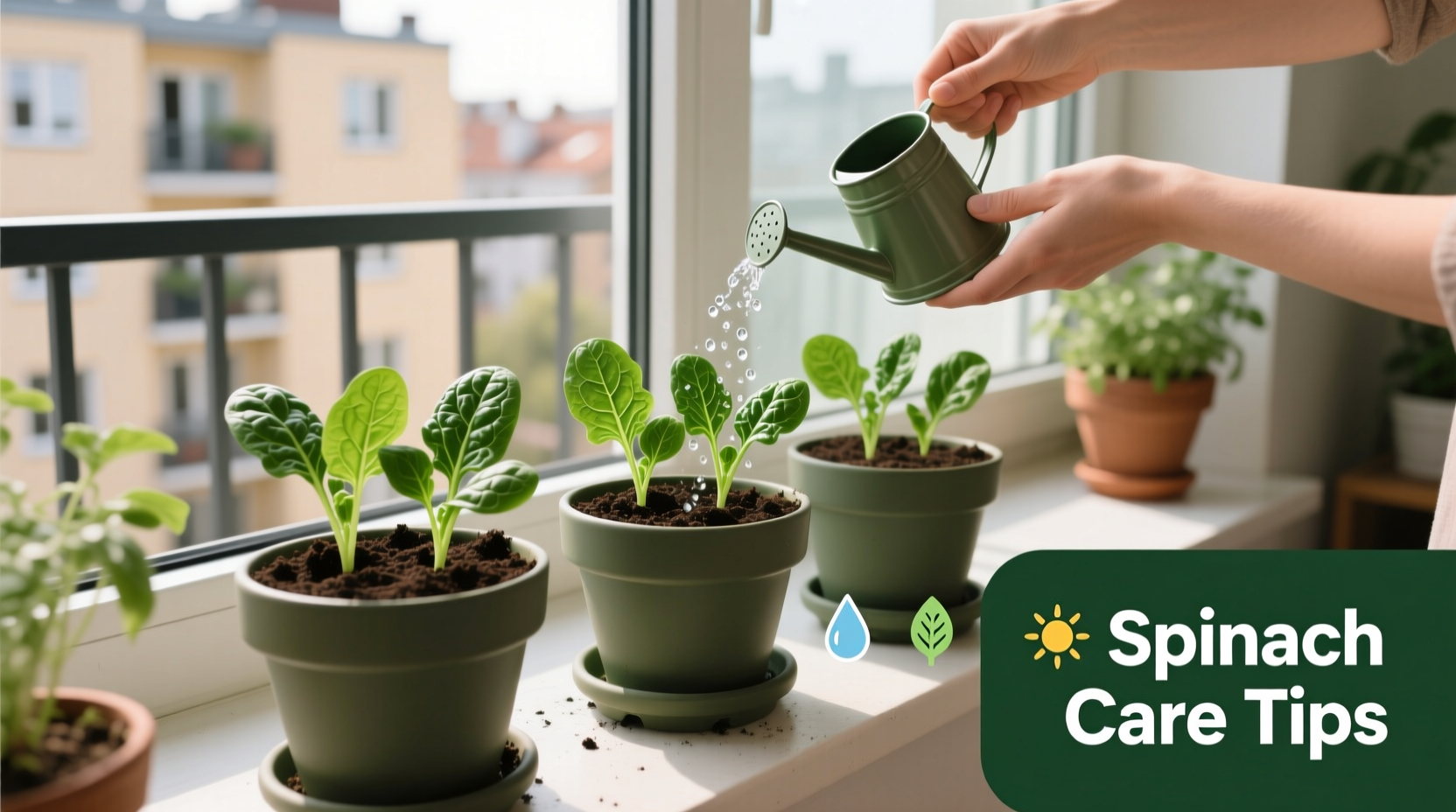
Spinach (*Spinacia oleracea*) is an annual cool-season vegetable belonging to the Amaranthaceae family, which includes beets and chard. Native to Central and Western Asia, spinach has been cultivated for over 2,000 years and became a dietary staple across Europe and North America due to its high nutritional value and culinary flexibility. The plant produces dark green, succulent leaves that can be smooth or crinkled (savoy), harvested either young for salads or mature for cooking.
Container gardening refers to growing plants in pots, boxes, or other enclosed vessels rather than directly in the ground. This method is particularly effective for spinach because the plant has a relatively shallow root system, responds well to controlled environments, and benefits from the microclimate regulation that containers provide. Whether you're cultivating on a fire escape, rooftop, or kitchen windowsill, container-grown spinach delivers freshness, convenience, and superior flavor compared to store-bought alternatives, which often lose nutrients during transport and storage.
Key Characteristics of Spinach
| Characteristic | Description |
|---|---|
| Flavor Profile | Mild, slightly sweet when young; develops a more earthy, mineral note as leaves mature. Bitterness increases if allowed to bolt. |
| Aroma | Faintly grassy and fresh; no strong scent unless bruised or decaying. |
| Leaf Form | Smooth-leaf, semi-savoy (lightly crinkled), or savoy (deeply crinkled). Savoy types are more cold-tolerant but harder to clean. |
| Growth Habit | Compact rosette formation; typically reaches 6–12 inches in height. |
| Root Depth | Shallow, fibrous roots; requires only 6–8 inches of soil depth for optimal growth. |
| Temperature Range | Thrives in cool weather: 50°F–70°F (10°C–21°C). Bolts rapidly above 75°F (24°C). |
| Days to Harvest | 30–45 days for baby leaves; 6 weeks for full-size leaves. |
| Nutritional Value | High in vitamin K, A, C, folate, iron, magnesium, and antioxidants like lutein and zeaxanthin. |
Pro Tip: Harvest spinach in the morning when leaves are crisp and hydrated for peak texture and nutrient retention.
Practical Usage: How to Use Homegrown Container Spinach
Harvesting your own container-grown spinach transforms everyday meals with unmatched freshness. Unlike supermarket spinach, which may have traveled thousands of miles and spent days in transit, homegrown leaves retain their moisture, flavor, and phytonutrient density.
In the Kitchen: Use young, tender leaves raw in salads, sandwiches, wraps, and smoothies. Mature leaves are excellent sautéed with garlic and olive oil, added to omelets, blended into soups, or incorporated into pasta dishes like lasagna or spanakopita. Because homegrown spinach is free of wax coatings and preservatives, it cooks down more efficiently and absorbs flavors better.
Culinary Ratios:
- 1 packed cup raw baby spinach ≈ 1/4 cup cooked
- Substitute 3 cups fresh spinach for 1 cup frozen (drained) in recipes
- Use 1–2 handfuls per smoothie for nutrient boost without overpowering taste
Pairing Suggestions: Spinach complements eggs, citrus, nuts (especially walnuts and pine nuts), feta and goat cheese, mushrooms, lentils, lemon juice, nutmeg, and balsamic vinegar. It enhances both savory and mildly sweet preparations.
Professional Technique: Chefs often blanch spinach briefly, then shock it in ice water to preserve color and deactivate enzymes before freezing or pureeing. This method works equally well with homegrown batches intended for preservation.
Variants & Types Suitable for Containers
Not all spinach varieties perform equally in containers. Selection should prioritize compact growth, slow bolting, disease resistance, and adaptability to fluctuating temperatures. Below are top-performing types for container cultivation:
- 'Space' F1 Hybrid: A favorite among urban growers, this semi-savoy variety resists bolting and powdery mildew. Uniform growth makes it ideal for cut-and-come-again harvesting.
- 'Baby Leaf' Spinach: Bred specifically for early harvest, producing tender, smooth leaves in under 30 days. Perfect for small pots and indoor trays.
- 'Tyee' Hybrid: A savoy-type with excellent heat tolerance and upright growth habit, reducing leaf contact with soil and minimizing rot risk.
- 'Corvair' F1: Fast-growing, dark-green hybrid with strong resistance to downy mildew and mosaic virus. Performs well in deep window boxes.
- 'Bloomsdale Long Standing': Heirloom savoy type with curled leaves and deep flavor. Slightly slower to mature but highly productive in cooler climates.
For mixed containers or succession planting, consider blending fast-maturing 'Baby Leaf' with longer-season 'Tyee' to ensure staggered harvests.
Tip: Avoid wild spinach or New Zealand spinach (*Tetragonia tetragonioides*)—though edible, they are different species adapted to warm climates and do not substitute well for true spinach in containers.
Comparison with Similar Leafy Greens
Spinach is often confused with other leafy vegetables, especially in seed catalogs or grocery stores. Understanding distinctions ensures correct cultivation and usage.
| Green | Differences from Spinach | Best Grown in Containers? |
|---|---|---|
| Kale | Hardier, more fibrous, takes longer to mature. Higher in vitamin C but tougher texture raw. | Yes – very suitable; deeper pot needed (10+ inches). |
| Chard | Same family, but larger leaves, prominent stems. More heat-tolerant and perennial-like in mild zones. | Yes – needs larger container (12-inch diameter minimum). |
| Arugula | Peppery flavor, faster growth (21 days), bolts easily. Smaller root zone required. | Excellent – ideal for shallow containers and intercropping. |
| Mustard Greens | Spicy, pungent taste; grows quickly and thrives in poor soil. More pest-resistant. | Yes – combine with spinach for flavor contrast. |
| Spring Mix (Mesclun) | Blend of lettuces, radicchio, endive, etc. Less nutrient-dense than pure spinach. | Yes – but composition varies; not a direct substitute. |
This comparison underscores spinach’s unique niche: a nutrient powerhouse with moderate growth speed and specific cool-weather requirements that distinguish it from hardier or faster alternatives.
Step-by-Step Guide to Growing Spinach in Containers
- Select the Right Container: Choose a pot at least 6–8 inches deep with adequate drainage holes. Width depends on scale: 6–8 inches for single plants, 12+ inches for multiple sowings. Materials include plastic (lightweight), ceramic (aesthetic), or fabric grow bags (excellent aeration).
- Use Quality Potting Mix: Never use garden soil, which compacts in containers. Opt for a well-draining, peat-based mix enriched with compost or worm castings. Ideal pH: 6.0–7.0. Amend with slow-release organic fertilizer or balanced 10-10-10 granules at planting.
- Sow Seeds Properly: Plant seeds ½ inch deep, spaced 2 inches apart in rows or scattered for baby leaf production. Cover lightly with soil and water gently. Germination occurs in 5–9 days at 70°F; cooler temps slow this process.
- Provide Adequate Light: Spinach needs 6–8 hours of direct sunlight daily. On shaded balconies or indoors, supplement with full-spectrum LED grow lights placed 6–12 inches above foliage for 12–14 hours per day.
- Water Consistently: Keep soil evenly moist but not soggy. Containers dry out faster than ground soil, especially in wind or sun. Water at the base in the morning to reduce evaporation and fungal risk. Mulch with straw or shredded bark to conserve moisture.
- Fertilize Strategically: After thinning, apply liquid seaweed or fish emulsion every 2–3 weeks. Avoid high-nitrogen fertilizers, which can increase nitrate accumulation in leaves.
- Thin Seedlings: When plants reach 2 inches tall, thin to 4–6 inches apart to prevent overcrowding and promote air circulation. Use thinnings in salads—zero waste.
- Monitor Temperature: Protect containers from heat by moving to shade during afternoon sun or placing them on gravel trays filled with water to cool roots. In cold snaps, cover with row covers or bring indoors temporarily.
- Harvest Correctly: Begin harvesting outer leaves when they reach 3–6 inches long. Cut with scissors 1 inch above the crown to allow regrowth. Full plants can be harvested by cutting at the base just before bolting.
- Prevent Bolting: Once flower stalks appear, leaves turn bitter. To delay bolting, grow heat-tolerant varieties, maintain consistent moisture, and avoid nitrogen overload. Succession planting every 2–3 weeks extends harvest.
Practical Tips & FAQs
Can I grow spinach indoors year-round?
Yes, provided you offer sufficient light (natural or artificial), cool temperatures (below 70°F), and good air circulation. Use a south-facing window or LED grow lights. Indoor spinach may grow slower but remains viable throughout winter.
Why are my spinach leaves yellowing?
Yellowing often indicates overwatering, poor drainage, or nitrogen deficiency. Check soil saturation first. If drainage is adequate, apply a diluted fish emulsion. Also rule out downy mildew, which causes pale spots and fuzzy undersides.
How do I prevent pests organically?
Aphids and leaf miners are common. Spray leaves with a mixture of water and a few drops of dish soap. Introduce beneficial insects like ladybugs. Cover young plants with floating row covers to block insect access.
Can I reuse potting soil after growing spinach?
Yes, but refresh it: remove old roots, mix in equal parts compost and new potting mix, and treat with a hydrogen peroxide solution (1 part 3% H₂O₂ to 4 parts water) to reduce pathogens.
What size container do I need for one spinach plant?
A single plant requires a minimum of 6 inches in diameter and depth. For multiple plants, allow 4 inches of spacing between each. A 12-inch-wide container can hold 3–4 plants comfortably.
Does spinach need pollination to produce edible leaves?
No. Spinach is grown for its foliage, not fruit. Flowering (bolting) is undesirable, as it signals the end of the leaf-producing phase and leads to bitter taste.
Checklist for Success:
- Container with drainage holes (6\"+ deep)
- Premium potting mix (not garden soil)
- Cool-season window (spring/fall) or climate control
- Daily access to 6–8 hours of light
- Consistent watering schedule
- Slow-release or liquid organic fertilizer
- Scissors for harvesting
- Succession planting plan (every 2–3 weeks)
\"Growing spinach in containers isn’t just about saving space—it’s about reclaiming flavor and nutrition. There’s no substitute for leaves picked seconds before eating.\" — Dr. Elena Torres, Urban Horticulturist, Cornell Cooperative Extension
Summary & Key Takeaways
Spinach thrives in containers when given the right conditions: cool temperatures, consistent moisture, fertile well-drained soil, and ample light. Its shallow root system and compact form make it uniquely suited to balcony gardens, window boxes, and indoor setups. By selecting appropriate varieties such as 'Space', 'Baby Leaf', or 'Tyee', gardeners can enjoy multiple harvests through careful sowing and cut-and-come-again techniques.
Unlike many vegetables, spinach does not require large plots or perfect backyard conditions. With a standard pot, quality potting mix, and attention to temperature management, even novice growers can produce restaurant-grade greens within weeks. The ability to harvest continuously, minimize food miles, and avoid synthetic pesticides adds significant health and environmental value.
Mastering container spinach opens the door to broader urban farming practices—intercropping with herbs, practicing vertical stacking, or integrating hydroponic elements. Most importantly, it reconnects eaters with the rhythm of growing seasons and the tangible reward of self-reliance.
Ready to start? Sow your first batch today using a recycled container, organic seeds, and a sunny spot. Within a month, you’ll be adding homegrown spinach to salads, scrambles, and smoothies—fresh, flavorful, and truly farm-to-table.




 浙公网安备
33010002000092号
浙公网安备
33010002000092号 浙B2-20120091-4
Comments
No comments yet. Why don't you start the discussion?