
Passive aggression is one of the most challenging forms of communication to navigate. It hides behind sarcasm, backhanded compliments, silence, or subtle jabs—often masked as humor or indifference. Unlike direct conflict, it avoids confrontation while still delivering hostility, leaving the recipient confused, frustrated, and emotionally drained. Learning how to respond with calmness and wisdom isn’t about winning an argument; it’s about preserving your dignity, setting boundaries, and maintaining emotional equilibrium.
The key lies not in reacting defensively but in responding thoughtfully. Whether you're dealing with a coworker, family member, or friend, understanding the psychology behind passive aggression and mastering a few strategic responses can transform tense interactions into opportunities for clarity and growth.
Understanding Passive Aggression: Why People Use It
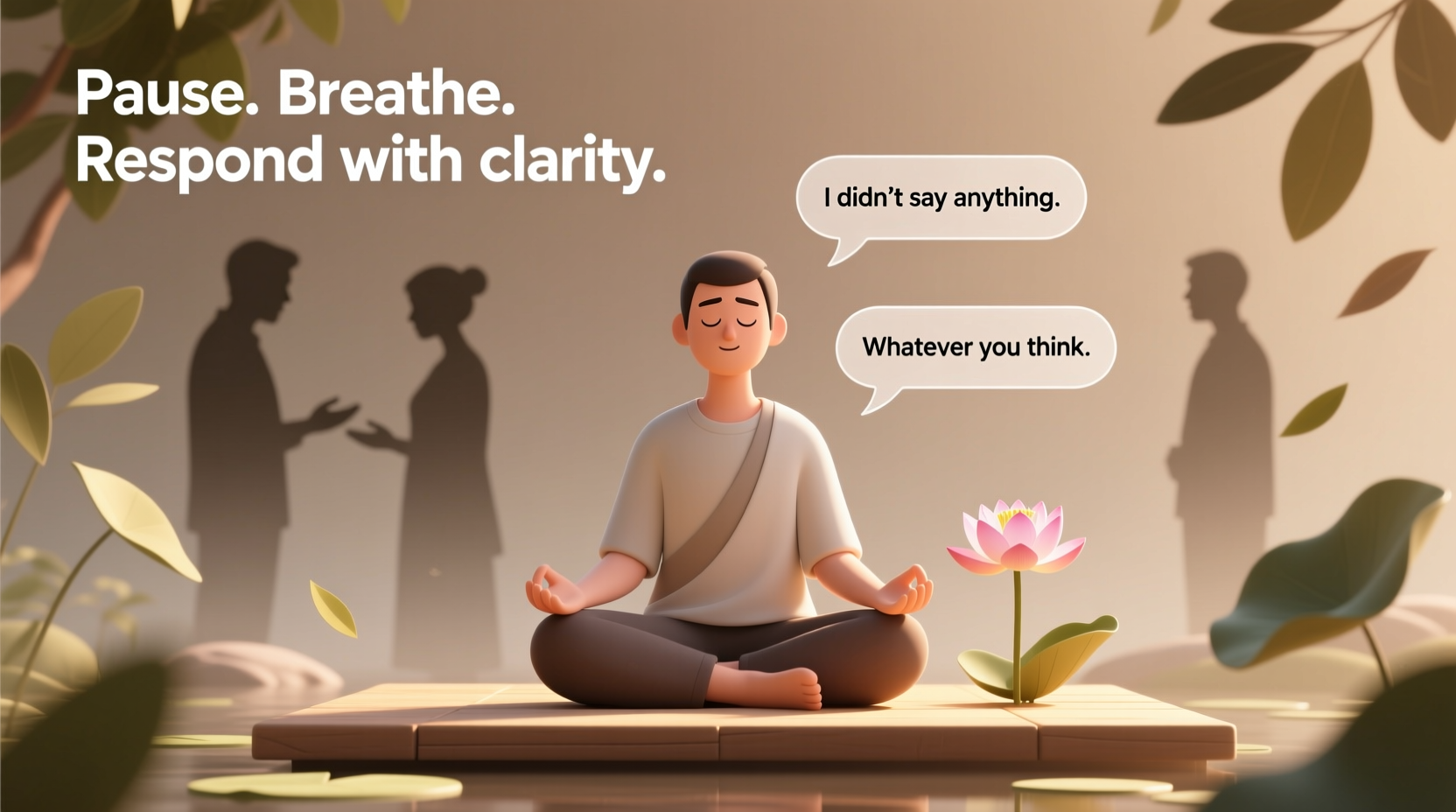
Passive aggression often stems from an inability or unwillingness to express negative emotions directly. Instead of saying, “I’m upset with you,” someone might say, “Sure, if that’s what you think is best,” with a tone that implies judgment. This behavior typically arises from fear—fear of conflict, rejection, or losing control. In some cases, it's learned from childhood environments where open disagreement was punished or dismissed.
Common forms of passive aggressive behavior include:
- Sarcasm disguised as humor
- Backhanded compliments (“You’re so brave for wearing that.”)
- Procrastination or intentional inefficiency
- Withholding information or affection
- Using silence as punishment (the “silent treatment”)
- Subtle blame-shifting (“I guess some people just don’t care about deadlines.”)
Recognizing these patterns is the first step toward disarming them. When you understand that passive aggression is less about you and more about the other person’s discomfort with direct communication, you can begin to respond from a place of empathy rather than defensiveness.
Step-by-Step Guide: Responding with Calm and Wisdom
Reacting emotionally only fuels the cycle. A more effective approach involves pausing, assessing, and choosing a response that de-escalates tension while asserting your boundaries. Follow this five-step process:
- Pause Before Responding
When you hear a snide remark, your instinct may be to fire back. Instead, take a breath. Count to three. This brief delay prevents impulsive reactions and signals emotional maturity. - Clarify the Message
Ask for clarification without accusation. For example: “I’m not sure I understood what you meant by that. Can you explain?” This shifts the conversation from subtext to substance and forces the speaker to own their words. - Name the Behavior Gently
If appropriate, point out the tone or implication. Use neutral language: “It sounds like you’re upset. Is there something you’d like to discuss?” This opens space for honesty without confrontation. - Set a Boundary
If the behavior continues, be clear about what you will tolerate. “I’m happy to talk about this, but I won’t engage in conversations that feel sarcastic or dismissive.” - Choose Your Battles
Not every comment requires a response. Sometimes, walking away or changing the subject is the wisest move—especially if the person is chronically passive aggressive and unwilling to change.
This method prioritizes emotional intelligence over ego. It doesn’t guarantee immediate resolution, but it protects your peace and models healthy communication.
Do’s and Don’ts When Facing Passive Aggression
| Do’s | Don’ts |
|---|---|
| Maintain calm body language and tone | Respond with sarcasm or mockery |
| Ask open-ended questions to clarify intent | Assume malicious intent immediately |
| Use “I” statements (“I feel confused when…”) | Use accusatory “you” statements (“You’re being childish.”) |
| Take time to process before replying | Engage in public confrontations |
| Set consistent boundaries over time | Ignore repeated patterns hoping they’ll stop |
Consistency is crucial. One firm but respectful response may not change behavior, but a pattern of assertive yet non-confrontational replies can shift the dynamic over time.
Real-Life Example: Navigating Tension at Work
Sarah, a project manager, noticed her colleague Mark frequently made offhand remarks during team meetings. After she presented a new timeline, he said, “Wow, someone’s feeling ambitious today.” The room chuckled nervously, but Sarah felt undermined.
Instead of snapping back or ignoring it, she waited until after the meeting and approached Mark privately. “I wanted to check in,” she said. “When you commented on my timeline, it came across as skeptical. Was there a concern you wanted to raise?”
Mark hesitated, then admitted he felt left out of the planning process. By addressing the comment without accusation and inviting dialogue, Sarah uncovered the real issue: exclusion, not incompetence. She adjusted her workflow to include earlier input, and Mark’s snide remarks decreased significantly.
This case illustrates how passive aggression often masks deeper needs—recognition, inclusion, or respect. Responding with curiosity rather than retaliation can resolve underlying tensions.
“Passive aggression is usually a cry for connection, expressed through dysfunction. The most powerful response is clarity wrapped in compassion.” — Dr. Lena Torres, Clinical Psychologist and Communication Specialist
Checklist: How to Respond Wisely to Passive Aggressive Comments
Keep this checklist handy for moments when you’re caught off guard:
- ✅ Pause and breathe before speaking
- ✅ Avoid matching sarcasm with sarcasm
- ✅ Ask clarifying questions (“Can you help me understand what you mean?”)
- ✅ Use “I” statements to express your feelings without blaming
- ✅ Stay calm in tone and posture—even if internally upset
- ✅ Address the behavior, not the person (“That comment felt indirect”)
- ✅ Set a boundary if the pattern continues
- ✅ Know when to disengage for your mental well-being
Rehearsing these steps mentally can make them easier to apply in real-time. Over time, they become second nature, reducing the emotional toll of such interactions.
Frequently Asked Questions
How do I know if someone is being passive aggressive versus just joking?
The difference lies in impact, not intent. If a comment consistently makes you feel belittled, confused, or defensive—even if framed as a joke—it may be passive aggression. Consider frequency, tone, and context. Occasional teasing among friends differs from repeated digs that undermine confidence or authority.
Should I confront a passive aggressive person directly?
Direct confrontation can backfire if done aggressively. Instead, aim for compassionate inquiry. Say, “I’ve noticed some comments that feel a bit pointed. Is everything okay?” This invites reflection without accusation. Save firmer confrontation for persistent behavior that affects your work or well-being.
What if the person denies being passive aggressive?
Denial is common. They may say, “You’re too sensitive” or “I was just kidding.” In such cases, focus on your experience: “I know you may not mean harm, but the effect was unsettling.” Then restate your boundary. You can’t force insight, but you can control your response.
Protecting Your Emotional Energy
Repeated exposure to passive aggression can erode self-esteem and increase stress. Protecting your emotional energy requires both internal resilience and external strategies.
Internally, practice self-validation. Remind yourself that a snide remark says more about the speaker than your worth. Journaling or talking to a trusted friend can help process lingering frustration.
Externally, limit unnecessary interaction with chronic passive aggressors when possible. In workplace settings, document problematic exchanges—especially if they affect performance reviews or team dynamics. If the behavior crosses into harassment, involve HR with factual records.
In personal relationships, consider whether the person is open to feedback. Some individuals, once made aware of their patterns, are willing to grow. Others may resist change, requiring you to decide how much toxicity you’re willing to tolerate.
Conclusion: Respond, Don’t React
Handling passive aggressive comments calmly and wisely isn’t about suppressing your feelings—it’s about channeling them constructively. Every interaction is a choice: react from emotion and risk escalation, or respond with intention and preserve your integrity.
Mastery comes not from eliminating difficult people but from refining your responses. With practice, you’ll find greater confidence in navigating subtle conflicts, stronger boundaries in relationships, and deeper emotional resilience. The goal isn’t perfection but progress—one thoughtful reply at a time.




 浙公网安备
33010002000092号
浙公网安备
33010002000092号 浙B2-20120091-4
Comments
No comments yet. Why don't you start the discussion?