
Heavy ornaments add elegance, tradition, and visual impact to a Christmas tree. Whether they’re glass globes with intricate detailing, vintage heirlooms, or handcrafted wooden pieces, these decorations deserve to be displayed prominently—without compromising the structure of your tree. Yet, many people face the same challenge: how to hang heavier pieces safely without drooping, snapping, or distorting delicate branches.
The solution lies not in avoiding heavy ornaments altogether, but in understanding branch strength, using proper hanging techniques, and distributing weight strategically. With the right approach, you can showcase even the most substantial decorations while preserving your tree’s shape and integrity throughout the holiday season.
Understand Your Tree’s Structure and Limits
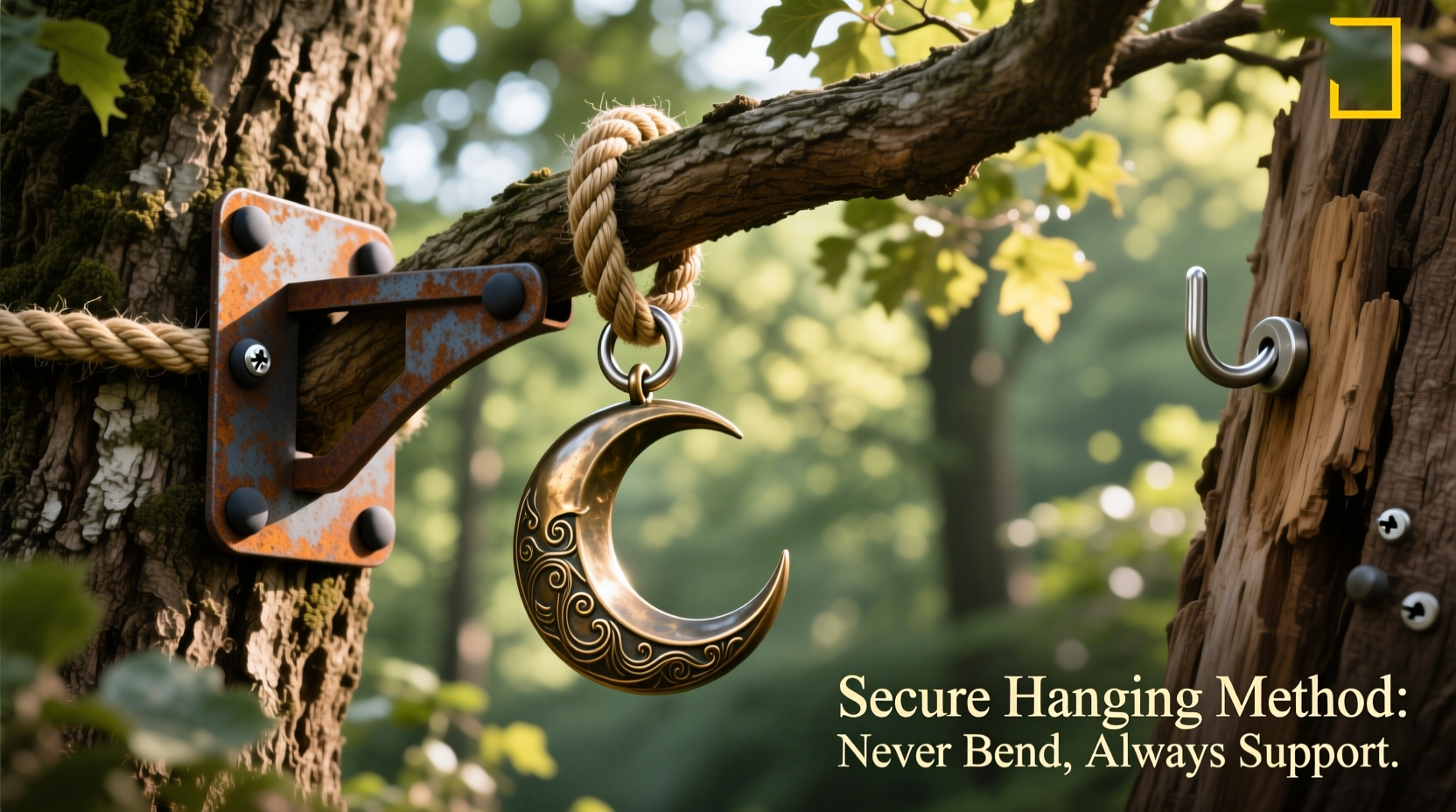
Before hanging any ornament, it's essential to assess your tree’s construction. Artificial trees vary widely in branch density, wire gauge, and tip durability. Real trees, while naturally strong at the trunk, have flexible outer limbs that can sag under concentrated weight.
Branches near the base are typically sturdier and better suited for heavier items. Upper branches, especially those at the ends of limbs, are more prone to bending. Identifying load-bearing zones helps prevent damage before it starts.
For artificial trees, check the manufacturer’s guidelines. Many specify maximum ornament weight per branch or tip. Some premium models use reinforced PVC or metal-core branches designed to support heavier décor. If your tree lacks this information, assume a safe limit of 3–4 ounces (85–115 grams) per tip unless otherwise proven.
“Overloading weak branches is the leading cause of tree deformation during the holidays. Distribute weight like an engineer—balance is everything.” — Daniel Reeves, Holiday Display Designer & Former Theme Park Decor Specialist
Choose the Right Hanging Method for Heavy Ornaments
Standard ribbon hooks or flimsy plastic hangers often fail under pressure. When dealing with heavy ornaments, upgrade your hanging hardware. The goal is to transfer weight from the fragile outer tip to a stronger part of the branch or limb.
Here are four reliable methods:
- Branch-Wrap Wire Hooks: Use thin-gauge floral wire (22–24 gauge) to wrap around both the ornament hook and the sturdier inner portion of the branch. This bypasses the tip entirely, anchoring the ornament to a load-bearing section.
- Double-Hook System: Attach one decorative hook to the ornament and a second, sturdier support hook beneath it. Connect both with a short chain or looped wire to distribute vertical stress across two points.
- Internal Frame Suspension: For large ornaments (like lanterns or framed keepsakes), insert a small eye-screw into the top cap or frame, then suspend it from an overhead branch using clear fishing line rated for at least twice the ornament’s weight.
- Clip-and-Support Hybrid: Use a clip-on base for initial placement, then reinforce with a hidden thread tied to an upper branch. This prevents forward tipping caused by center-of-gravity shifts.
Always secure connections tightly. A loose knot or poorly wrapped wire may hold initially but loosen over time due to temperature changes or vibrations.
Weight Distribution Strategy: The Balanced Tree Approach
Even with strong hangers, poor placement leads to imbalance. A tree overloaded on one side will lean, while clustered heavy ornaments create localized stress points.
Adopt a radial distribution model—imagine your tree divided into vertical sections like slices of a pie. Place no more than one heavy ornament per slice, alternating light and heavy pieces as you move outward. Keep heavier items within the lower two-thirds of the tree, where structural support is greatest.
| Zone | Max Recommended Weight | Best Ornament Types | Hanging Method |
|---|---|---|---|
| Lower Third (Base) | 6–8 oz (170–225g) | Glass globes, ceramic figures, lanterns | Branch-wrap wire or dual-hook |
| Middle Section | 4–5 oz (115–140g) | Medium glass, wood carvings, fabric stars | Reinforced clip or fishing line |
| Upper Third & Outer Tips | Up to 3 oz (85g) | Foam, lightweight metals, paper crafts | Standard hook or ribbon |
| Crown/Top | 2 oz max (60g) | Tree topper only (star, angel) | Dedicated anchor spike or central rod |
This zoning system ensures visual harmony and mechanical stability. It also prevents the common mistake of clustering all statement pieces at eye level, which strains mid-tier branches and blocks lower ornament visibility.
Step-by-Step: How to Hang a 7-Ounce Glass Ornament Safely
Follow this detailed process to install a heavy ornament without risking branch damage:
- Assess the Branch: Select a thick, inward-facing branch in the lower third of the tree. Avoid terminal tips or visibly thin limbs.
- Prepare Materials: Gather 24-gauge floral wire (6 inches), wire cutters, and the ornament. Straighten the wire and fold it in half.
- Create a Cradle: Slide the folded end of the wire under the base of the ornament’s metal hook, forming a U-shape around it.
- Anchor to Branch: Wrap both ends of the wire tightly around the main stem of the branch, close to the trunk. Twist securely on the underside to hide the connection.
- Test Stability: Gently tug downward on the ornament. There should be no movement at the hook or branch junction.
- Adjust Position: Rotate the ornament for optimal visibility, ensuring it doesn’t rest against needles or adjacent decorations.
- Repeat Spacing: Wait until at least two lighter ornaments are placed between this and the next heavy piece.
This method transfers the full weight to the branch shaft rather than the tip, reducing leverage force by up to 70%. It’s especially effective on artificial trees with rigid internal cores.
Real Example: Restoring a Family Heirloom Display
Sarah M., a decorator from Vermont, inherited a set of 1920s Bohemian glass ornaments from her grandmother. Each averaged 5–6 ounces—beautiful but too heavy for her pre-lit artificial tree. After two seasons of drooping limbs and one broken branch, she sought a better solution.
She began by mapping her tree’s strongest zones and labeling each ornament by weight. Using green floral wire, she anchored the heaviest pieces to central support branches, wrapping carefully to avoid scratching stems. Lighter vintage balls were hung conventionally.
The result? A fully restored display that held its shape for six weeks. “I was able to honor my family’s tradition without sacrificing safety,” she said. “Now I teach this method at our local craft fair every December.”
Common Mistakes That Lead to Branch Damage
Avoid these frequent errors when decorating with heavy ornaments:
- Overloading single tips: Even sturdy branches have limits. One 8-ounce ornament may hold, but adding another nearby compounds stress.
- Using elastic cords or stretchy ribbons: These elongate over time, increasing downward pull and misalignment.
- Hanging too close to lights: Heavy ornaments can crush bulb casings or disconnect wiring, creating fire hazards.
- Ignoring temperature effects: Warm rooms soften PVC branches on artificial trees, increasing sag risk.
- Placing heavy items on upward-facing tips: Gravity pulls them forward, causing rotational strain that snaps weak joints.
Prevention is simpler than repair. Once a branch bends permanently, it rarely recovers its original form, affecting future displays.
Checklist: Secure Heavy Ornament Installation
Use this checklist before finalizing your tree setup:
- ✅ Weigh each heavy ornament (use kitchen scale if needed)
- ✅ Identify and mark strong branch zones on your tree
- ✅ Prepare reinforced hangers (wire, fishing line, dual hooks)
- ✅ Install heaviest pieces first, using structural anchoring
- ✅ Balance left/right and top/bottom weight distribution
- ✅ Test each ornament with gentle tug after placement
- ✅ Inspect tree weekly for signs of sagging or loosening
FAQ
Can I use fishing line to hang heavy ornaments?
Yes, but only if it's high-test monofilament (10 lb / 4.5 kg capacity or higher). Clear fishing line works well for suspending ornaments from above, especially when you want invisible support. Always double or triple the line and tie secure knots, such as a double surgeon’s knot, to prevent slippage.
What should I do if a branch has already started to bend?
Immediately remove the ornament causing stress. Support the branch temporarily with a thin wooden dowel taped alongside it. Let it rest in position for 24–48 hours away from heat sources. For artificial trees, some manufacturers offer replacement branch tips—check your model’s parts list.
Are real trees better for heavy ornaments than artificial ones?
Not necessarily. While real pine or spruce limbs are naturally flexible, they dry out quickly indoors, becoming brittle. Their tips can snap under moderate weight. Artificial trees with metal-core branches often provide more consistent, long-term support—if properly rated. Choose based on build quality, not material alone.
Final Thoughts
Hanging heavy ornaments securely isn’t about limiting tradition—it’s about enhancing it with smart technique. By respecting your tree’s physical limits, upgrading your hanging methods, and planning your layout with balance in mind, you preserve both your décor and your centerpiece.
The most beautiful trees aren’t those devoid of weighty pieces, but the ones where every ornament feels intentional, stable, and safe. With these strategies, you can celebrate with confidence, knowing your display will stand tall through the holidays.




 浙公网安备
33010002000092号
浙公网安备
33010002000092号 浙B2-20120091-4
Comments
No comments yet. Why don't you start the discussion?