
Anime figurines are more than collectibles—they’re expressions of passion, artistry, and identity. When displayed thoughtfully, they bring life and personality to any space. However, hanging them as ornaments introduces unique challenges. Unlike wall art or sturdy decor, many anime figures feature delicate limbs, flowing hair, thin accessories, or extended poses that make them vulnerable to breakage. The goal isn’t just to display them—it’s to preserve their integrity while enhancing your environment.
Hanging figurines improperly can lead to snapped arms, detached wings, or shattered props. But with the right tools, planning, and gentle handling, you can enjoy suspended displays that look intentional and secure. This guide covers tested methods, material recommendations, and real-world insights to help you showcase your collection safely—without compromising on aesthetics or risking damage.
Assessing Your Figurine’s Structure and Weak Points
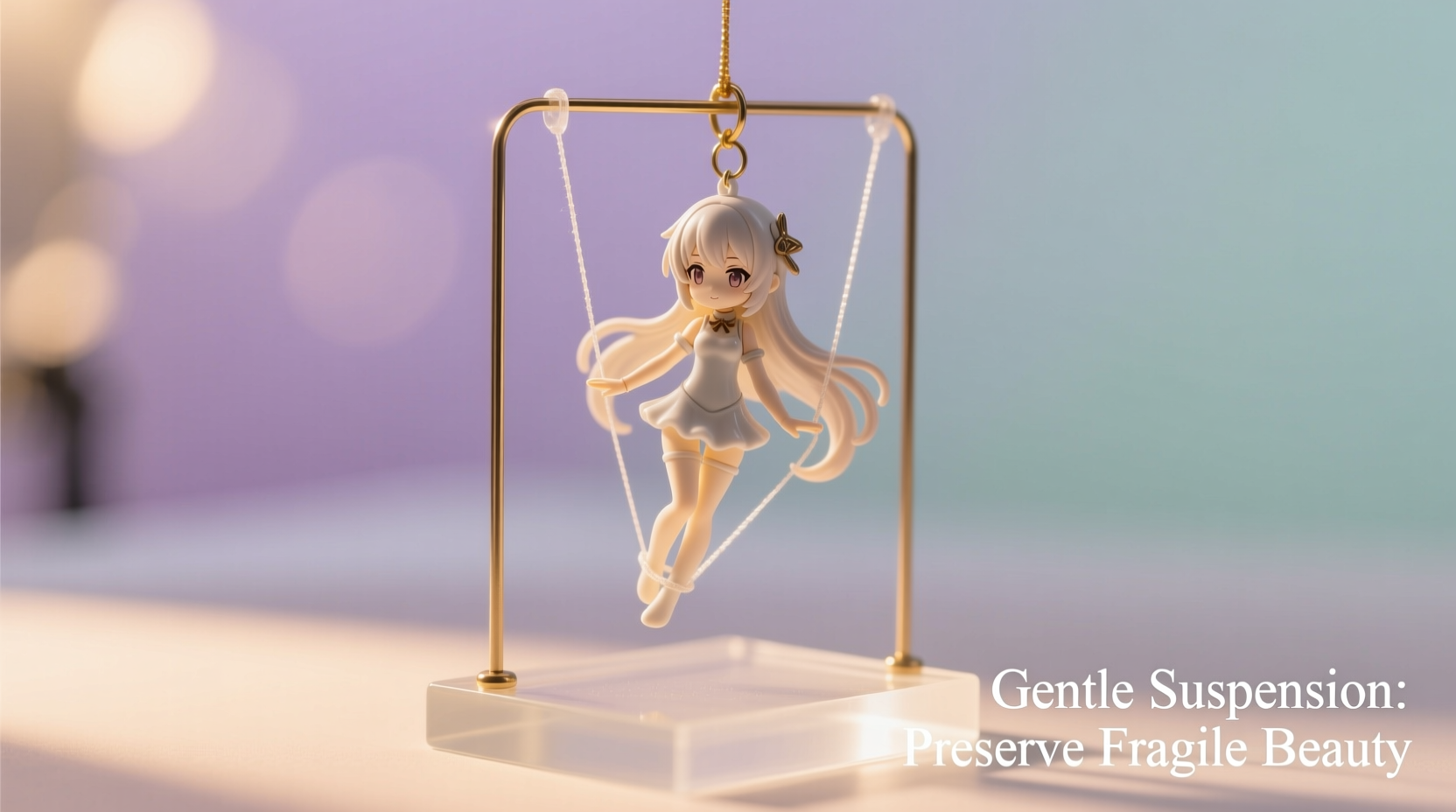
Before attaching any string or adhesive, examine the figurine closely. Not all parts are designed to bear weight, even minimally. Start by identifying which areas are most prone to stress: hands holding weapons, outstretched wings, floating fabric, or character poses mid-action. These dynamic designs often rely on internal support during manufacturing but lack structural reinforcement for external hanging.
Pay attention to the base of the figure. If it was originally meant to stand upright, the center of gravity is calibrated for horizontal stability—not vertical suspension. Hanging from the head or shoulder may shift this balance, placing unnatural pressure on joints or thin connectors. Look for natural anchor points: loops in capes, solid headpieces, or thick portions of hair sculpted with enough mass to support light attachment.
Avoid anchoring threads or wires to protruding elements less than 3mm in diameter unless reinforced. For example, a character's sword tip or finger might look like a good hook point, but these are typically among the first parts to snap under tension—even from lightweight cord.
Choosing the Right Hanging Method: Pros and Cons
There are several ways to suspend a figurine, each suited to different types of figures and display goals. The best method depends on whether you're aiming for invisible suspension (like floating effects), decorative hanging (such as seasonal ornamentation), or modular arrangements (multiple figures in a cluster).
| Method | Best For | Pros | Cons |
|---|---|---|---|
| Invisible Fishing Line | Floating effect displays | Nearly invisible; low stretch; strong hold | Can catch dust; requires secure top anchor |
| Silk Thread & Mini Hooks | Delicate or decorative hanging | Soft appearance; easy to tie | Lower tensile strength; may fray |
| Adhesive Wall Clips | Non-invasive mounting | No modification needed; removable | Limited weight capacity; risk of falling |
| Custom Wire Cradles | Irregularly shaped figures | Distributes weight evenly; reusable | Requires crafting skill; visible structure |
| Magnetic Levitation Kits | High-end display pieces | Truly floating; modern aesthetic | Expensive; needs power source |
Fishing line remains the most popular choice due to its strength-to-diameter ratio. A 2–4 lb test line is sufficient for most lightweight PVC or ABS resin figures weighing under 100 grams. It resists UV degradation better than thread and doesn't absorb moisture, reducing long-term weakening.
“Many collectors don’t realize that display methods can affect preservation as much as environmental factors. A poorly hung figurine experiences constant micro-stress, leading to fatigue fractures over time.” — Ren Tanaka, Museum Display Conservator
Step-by-Step: Safely Attaching a Hanging Mechanism
If your figurine lacks a built-in loop or hanger, you’ll need to add one carefully. Follow this sequence to minimize risk:
- Inspect and plan: Identify the optimal attachment zone—preferably a thick, central part of the back, such as a backpack, wing root, or ornamental crest.
- Clean the surface: Wipe the area with isopropyl alcohol to remove oils and dust. Let dry completely before proceeding.
- Select an anchor: Use a small eye pin (available at craft stores) or a loop made from braided fishing line tied securely around a stable protrusion.
- Apply adhesive sparingly: Use a two-part epoxy or cyanoacrylate (super glue) gel for maximum bond strength. Avoid liquid super glue, which can run and damage paint.
- Attach the anchor: Press the eye pin into place or secure the knot with a dab of glue. Hold steady for 60 seconds.
- Cure fully: Allow 24 hours for complete curing before applying any tension.
- Test gently: Lift the figure slightly using the line to ensure the anchor holds. Do not jerk or pull abruptly.
For figures with no suitable protrusions, consider creating a cradle. Bend thin aluminum wire (20–24 gauge) into a U-shape that supports the torso from beneath, then twist the ends together above the head to form a hanging loop. Paint the wire to match the background if visibility is a concern.
Environmental and Positioning Considerations
Once your figurine is ready to hang, location matters. Even the most secure setup can fail under poor conditions. Direct sunlight accelerates plastic degradation, causing brittleness that increases breakage risk. UV exposure also fades vibrant colors common in anime figures, diminishing visual appeal over time.
Avoid high-traffic areas where accidental bumps could occur. Doorways, hallways, and near seating zones increase the likelihood of contact. Instead, opt for interior walls, glass cabinets with overhead clearance, or dedicated display niches.
Temperature and humidity fluctuations contribute to material fatigue. Basements and attics may seem like logical storage spots, but seasonal swings cause expansion and contraction in plastics, weakening glued joints. A climate-controlled living space or bedroom offers more stable conditions.
Real Example: Hanging a Neko-Mimi Character Without Damaging Ears
Maria, a collector in Osaka, wanted to hang a 15cm cat-girl figurine from her ceiling fan chain as a playful spring decoration. The character had large, upward-pointing ears connected by a thin band across the scalp—a known weak point.
Instead of threading line through the ear bridge, she used a nearly invisible 4 lb-test fluorocarbon line attached to a custom wire halo. She bent a 22-gauge aluminum wire into a circle slightly larger than the head, painted it black, and positioned it just above the ears. The line connected to three points on the halo for balance, distributing tension evenly. The figurine appeared to float beneath the halo, with no physical contact between the support and the actual model.
The display lasted four months without issue. After removal, inspection showed no marks or stress signs. Maria reused the halo for other lightweight figures with similar head shapes, proving the value of adaptable, non-invasive solutions.
Essential Checklist Before Hanging
- ✅ Inspected the figurine for existing cracks or weak joints
- ✅ Identified a structurally sound attachment point
- ✅ Chosen appropriate hanging material (e.g., fishing line, wire cradle)
- ✅ Used conservation-safe adhesive if modifying the figure
- ✅ Allowed full cure time before suspension
- ✅ Selected a safe location away from direct sun and foot traffic
- ✅ Tested the setup with gentle lift before final placement
- ✅ Planned for future removal without residue or damage
Frequently Asked Questions
Can I use tape or sticky hooks to hang my figurine?
While convenient, most tapes and adhesive hooks pose risks. Pressure-sensitive adhesives can leave residue or pull off paint when removed. Additionally, they may detach suddenly, causing falls. If you must use them, select museum-grade putty or reusable nano pads rated for smooth surfaces, and never apply directly to delicate parts like hands or accessories.
Is it safe to hang figurines from the ceiling?
Yes, provided the anchor point is secure and the line is taut enough to prevent swinging. Use screw-in hooks into ceiling joists or hollow-wall anchors for drywall. Ensure there’s adequate clearance so the figure won’t be hit by doors, fans, or people standing up. Limit ceiling displays to areas with predictable movement patterns.
What should I do if a part breaks during installation?
Stop immediately. Collect all fragments and store them in a labeled bag. Repair with poly cement or acrylic-friendly epoxy—avoid hot glue, which adds bulk and stress. For valuable figures, consider professional restoration services specializing in collectible repair. Prevention is always better than repair, so proceed slowly and test setups incrementally.
Conclusion: Display with Confidence and Care
Hanging lightweight anime figurines doesn’t have to mean compromising their condition. With careful assessment, the right materials, and thoughtful positioning, you can create stunning suspended displays that honor both the artistry of the figure and the sentiment behind the collection. The key lies in respecting the fragility of these detailed models while innovating within safe boundaries.
Every successful display starts with patience—taking the time to evaluate, prepare, and test. Whether you’re decorating for a seasonal event or designing a permanent gallery wall, your approach reflects your appreciation for the craft. Apply these principles consistently, and your figurines will remain intact, vibrant, and proudly showcased for years to come.




 浙公网安备
33010002000092号
浙公网安备
33010002000092号 浙B2-20120091-4
Comments
No comments yet. Why don't you start the discussion?