
There’s nothing quite like the panic of realizing guests are on their way—and your room looks like a tornado hit it. Whether it’s last-minute visitors, an unexpected inspection, or a sudden social invite, a cluttered space can make even the most composed person feel flustered. But here’s the good news: you don’t need hours to transform chaos into calm. With smart, strategic actions, you can hide a messy room in under 10 minutes. This guide delivers real-world-tested methods that prioritize speed, effectiveness, and psychological perception over perfection.
The Psychology of Perception: Why “Looking Tidy” Matters More Than Being Tidy
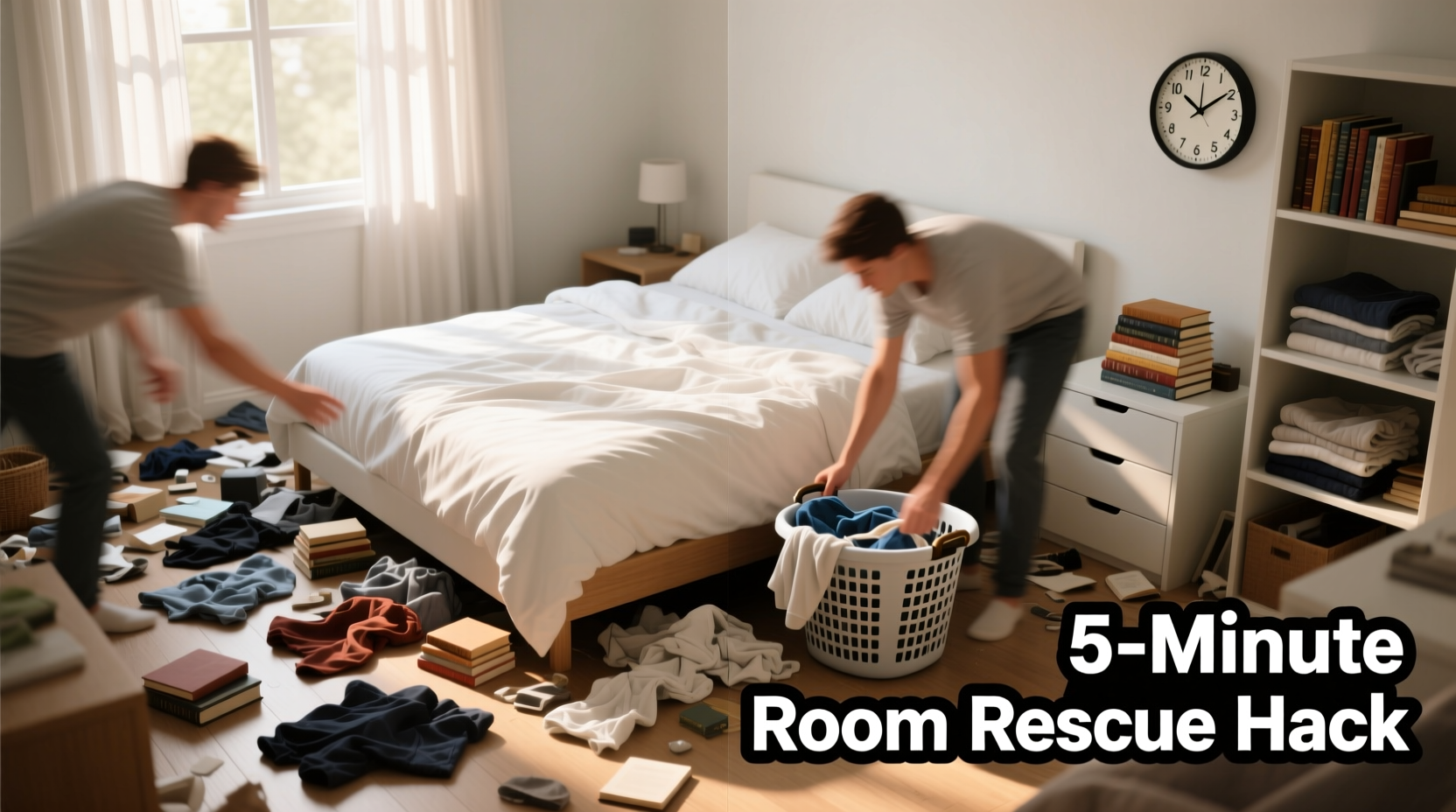
When guests enter a room, they don’t conduct forensic inspections—they take quick visual sweeps. Studies in environmental psychology show that people form impressions of a space within seconds, focusing primarily on surface-level cues like visible clutter, lighting, and focal points. A single unmade bed or pile of laundry on the floor can dominate perception, even if everything else is in order.
This means your goal isn’t total cleanliness—it’s controlled presentation. The art lies in redirecting attention away from mess and toward areas that appear organized. By managing sightlines and using visual tricks, you can create the illusion of tidiness fast.
“People judge rooms based on what they see first. Control the entry point, and you control the impression.” — Dr. Lila Tran, Environmental Psychologist, University of Toronto
Step-by-Step: The 7-Minute Room Rescue Protocol
When time is short, structure is essential. Follow this timed action plan to maximize results with minimal effort. Each step targets high-impact zones that influence guest perception.
- Minute 1: Clear the Floor (30 seconds)
Drop everything and pick up floor items—clothes, shoes, books, toys. Don’t sort; just gather. Use a laundry basket, bin, or even a blanket to scoop everything into one mobile pile. Toss it into a closet, under the bed, or behind a door. - Minute 2: Surface Sweep (60 seconds)
Clear countertops, desks, nightstands, and tables. Group small items (pens, chargers, snacks) into trays, drawers, or open boxes. If no storage is available, stack them neatly in a corner and drape a scarf or towel over the pile as a temporary cover. - Minute 3: Bed Blitz (90 seconds)
Even if you can’t fully make the bed, straighten the comforter and fluff pillows. Remove stray clothes or bags. A made bed instantly elevates a room’s appearance—even if the sheets aren’t fresh. - Minute 4: Hide High-Visibility Clutter (60 seconds)
Target obvious eyesores: dirty dishes, trash, unfolded laundry baskets. Carry them to the bathroom, kitchen, or another out-of-sight area. Stack dishes in the sink and cover with a dish towel if needed. - Minute 5: Refresh the Air (30 seconds)
Spray air freshener, light a candle, or open a window. Clean scents psychologically signal cleanliness, regardless of physical state. Avoid overpowering fragrances—subtlety works best. - Minute 6: Adjust Lighting (30 seconds)
Turn on overhead lights or lamps. Bright spaces feel more inviting and distract from disarray. Dim lighting hides mess but can amplify a sense of neglect. Aim for warm, even illumination. - Minute 7: Final Scan & Focal Point Setup (60 seconds)
Stand at the doorway and scan the room. Identify the first thing guests will see. Place one clean, attractive item there—a vase, book, plant, or folded throw—to draw attention. This becomes your intentional focal point, steering eyes away from chaos.
Smart Hiding Spots: Where to Stash Mess Without Getting Caught
Not all hiding places are equal. Choose locations that are out of casual view but won’t be opened by curious guests. Here are the most effective spots, ranked by safety and capacity:
| Hiding Spot | Capacity | Risk Level | Best For |
|---|---|---|---|
| Under the bed | High | Low | Laundry, bags, shoes |
| Closet (behind clothes) | Medium | Low | Boxes, electronics, random items |
| Bathroom (if not shared) | Medium | Medium | Dishes, toiletries, towels |
| Behind heavy furniture | Low | Low | Small bins, cords |
| Inside large decorative baskets | Medium | Very Low | Visible storage that doubles as decor |
| Guests’ line of sight behind the door | Low | High | Only if door stays closed |
Avoid placing clutter in ovens, refrigerators (unless yours), or drawers guests might open. Never hide items in bathroom cabinets if you’re not the primary user—this risks hygiene concerns and embarrassment.
Do’s and Don’ts: Quick Reference Guide
When under pressure, clear rules prevent mistakes. Use this checklist to stay focused and avoid common blunders.
| Action | Do | Don't |
|---|---|---|
| Handling clothes | Use a basket or hamper; toss in closet | Leave them on chairs or draped over doors |
| Managing trash | Bag it and stash in hallway closet or balcony | Leave open bins visible |
| Using furniture | Push chairs under desks to look intentional | Leave them askew with items hanging off |
| Dealing with tech | Bundle cords with rubber bands or clips | Let cables snake across surfaces |
| Final touch | Add one clean decorative item as a focal point | Over-decorate or rearrange unnecessarily |
Real Example: How Sarah Saved Her Living Room in 8 Minutes
Sarah, a freelance designer in Chicago, was working late when her sister called saying she was bringing friends over in 10 minutes. Her living room was a disaster—coffee mugs everywhere, sketchbooks open, laundry on the couch, and dog toys scattered.
She sprang into action: grabbed a woven basket and swept all mugs and papers inside, then slid it behind the entertainment console. She tossed the laundry onto the couch, covered it with a knit throw, and kicked dog toys under the coffee table. She fluffed the pillows, lit a eucalyptus candle, and turned on the floor lamp. As a final move, she placed a sleek notebook and pen on the table—making it look like she’d been hosting creatively.
Her sister later said, “Your place looked so chill—I thought you’d been preparing all day.” Sarah hadn’t cleaned; she’d redirected attention. The mess was still there—just hidden in plain sight.
Pro-Level Life Hacks for Frequent Hosts
If you often entertain or live in a small space, build habits that reduce last-minute panic. These long-term strategies make quick fixes easier and more effective.
- Maintain a “clean zone”: Keep one surface (e.g., entry table or coffee table) permanently clutter-free. This gives guests a positive anchor point.
- Use dual-purpose furniture: Ottomans with storage, beds with drawers, and nesting tables help conceal items daily.
- Adopt the “one in, one out” rule: For every new item brought in, remove an old one. This prevents accumulation.
- Label hidden storage: Use bins marked “Emergency Clutter” so you know where to dump items fast.
- Rotate decor monthly: Having a few elegant, interchangeable items (like a ceramic bowl or framed photo) lets you refresh a space in seconds.
“The best hosts aren’t the ones with perfect homes—they’re the ones who make you feel welcome, regardless of the surroundings.” — Marcus Bell, Interior Stylist & Author of *Effortless Entertaining*
Essential Checklist: Pre-Guest Emergency Routine
Print this or save it on your phone for instant access during emergencies.
- ✅ Remove all floor clutter (clothes, bags, toys)
- ✅ Clear main surfaces (desk, table, countertop)
- ✅ Make or tidy the bed
- ✅ Hide dishes and trash out of sight
- ✅ Turn on lights and adjust ambiance
- ✅ Spray a light air freshener
- ✅ Set a focal point (plant, book, decorative object)
- ✅ Do a final walk-through from the doorway
Frequently Asked Questions
What if I have no storage space to hide things?
Use vertical or temporary solutions. Hang a fabric organizer on the back of a door for quick stashing. Drape a large scarf or shawl over a messy chair. If you’re in an apartment, keep a foldable tote in your closet specifically for clutter emergencies.
Is it okay to lie about why I can’t give a tour?
It’s better to redirect than deceive. Instead of making excuses, say, “We’ll stay in the living room—I’ve got a cozy setup going!” Offer drinks or snacks to shift focus. Most guests won’t insist on touring unless invited.
How do I handle a messy bathroom if guests might use it?
Prioritize speed and hygiene. Wipe the sink, hang towels neatly, close the toilet lid, and stash personal items in a cabinet. Place a hand soap and fresh towel on display. A $2 citrus-scented spray from the drugstore can mask odors instantly.
Conclusion: Confidence Over Perfection
You don’t need a spotless room to host well—you need presence, warmth, and a little strategy. The techniques in this guide aren’t about deception; they’re about managing reality under pressure. By focusing on perception, controlling sightlines, and acting with purpose, you can turn panic into poise in minutes.
Start building your emergency toolkit today. Practice the 7-minute protocol once, and it becomes second nature. The next time the doorbell rings unexpectedly, you won’t freeze—you’ll act. And when your guests settle in, comfortable and relaxed, they won’t remember the mess. They’ll remember how good it felt to be there.




 浙公网安备
33010002000092号
浙公网安备
33010002000092号 浙B2-20120091-4
Comments
No comments yet. Why don't you start the discussion?