
Decorating for the holidays should be joyful, not damaging. While stringing up Christmas lights instantly elevates the festive atmosphere, managing the cords can be a frustrating challenge—especially when you want to avoid drilling holes or leaving sticky residue from tape. Whether you're renting, preserving paint, or simply prefer clean, damage-free surfaces, there are several innovative and practical ways to conceal cords safely and stylishly.
The key is using methods that rely on tension, adhesion alternatives, architectural features, or clever positioning. These techniques keep cords discreet while ensuring they remain secure throughout the season. With thoughtful planning and the right tools, you can achieve a polished, professional look without compromising your walls.
Why Avoid Nails and Tape?
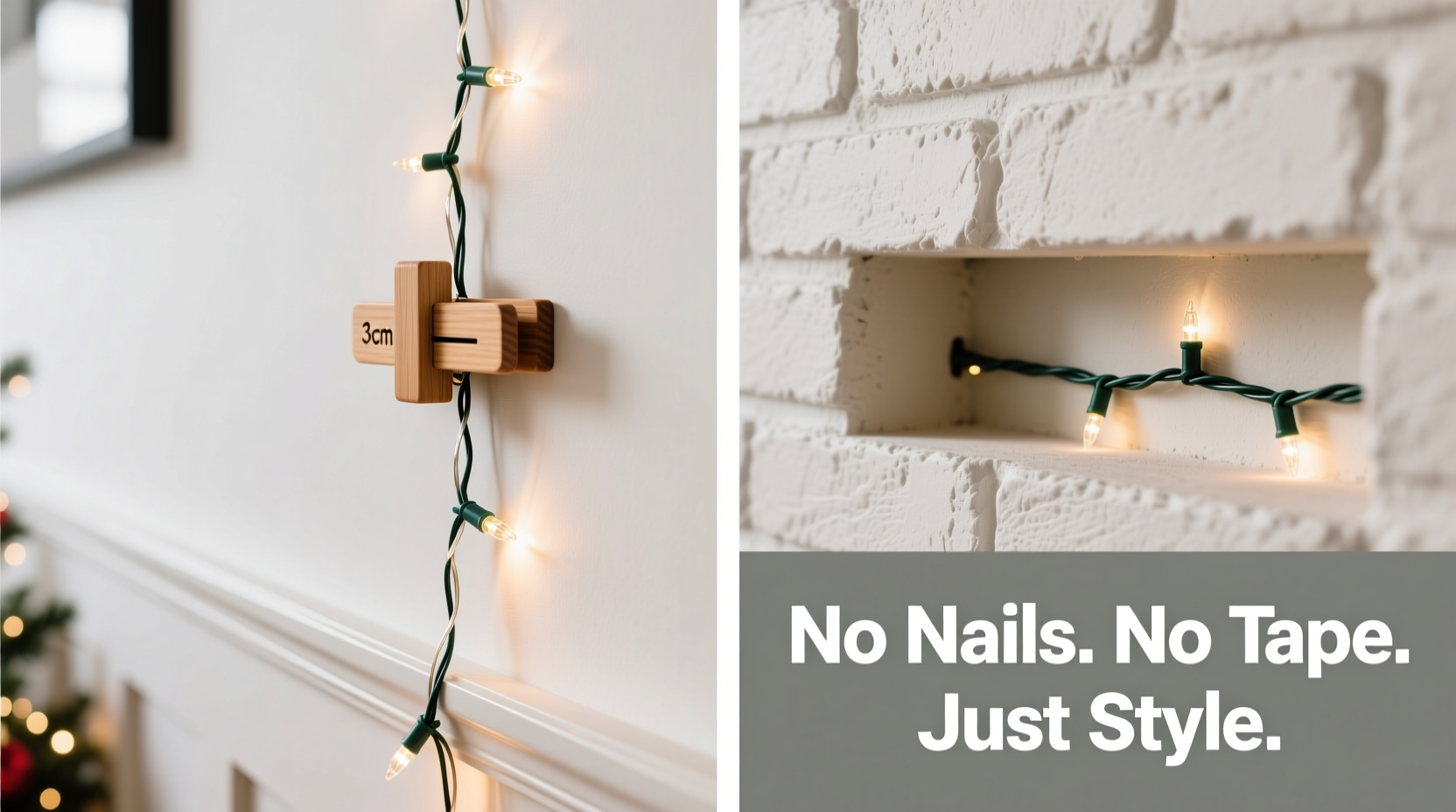
Nails may seem like the go-to solution for securing cords, but they come with significant drawbacks. Drilling into drywall or wood leaves permanent marks, which can lower property value in rental units or require patching and repainting afterward. Even small holes accumulate over time, especially if you decorate annually.
Tape, particularly duct or masking tape, often fails under the weight of bundled cords or in temperature fluctuations. Worse, it frequently peels off paint or wallpaper when removed—sometimes taking layers of surface with it. Adhesive hooks can also fail or leave behind stubborn glue residues, defeating the purpose of a non-damaging method.
“More than 60% of renters report avoiding holiday decorations due to fear of wall damage. There are smarter, safer alternatives.” — Sarah Linwood, Interior Stylist & Rental Space Consultant
By eliminating nails and traditional tape, you protect both your investment and your decorating freedom. The following strategies prioritize reversibility, strength, and visual neatness—without sacrificing safety or stability.
Smart Alternatives to Conceal Cords
Hiding cords without nails or tape requires rethinking how we anchor and route them. Instead of relying on punctures or adhesives, these methods use friction, structure, and design integration to keep everything in place.
1. Use Cord Clips with Removable Gel Pads
One of the most reliable modern solutions is cord clips equipped with gel adhesive pads. Unlike traditional tape, these silicone-based mounts adhere firmly through molecular bonding rather than stickiness. They grip smooth surfaces like painted walls, tiles, and baseboards without residue and can be removed cleanly by slowly peeling them off.
These clips snap onto the pad and hold individual cords or small bundles securely. Because they’re reusable, you can store them after the season and redeploy next year.
2. Route Cords Along Baseboards and Trim
Baseboards, crown molding, and door frames naturally create shadow lines where cords can disappear from view. By running cords along the edge where the wall meets the floor or ceiling, you take advantage of depth and shadows to mask their presence.
To secure them without nails, use double-sided removable mounting putty. Roll a small amount into a ball, press it between the cord and the baseboard, and gently press the cord into place every 12–18 inches. This method works best with flat LED light strips or thin-gauge cords.
3. Employ Furniture and Decor as Natural Barriers
Strategically place larger furniture pieces—like sofas, bookshelves, or console tables—along walls where cords run. Not only do these block the line of sight, but they also provide physical support. For example, you can tuck cords behind a couch or weave them behind a tall plant stand.
If you don’t want to rearrange, consider temporary decorative screens or freestanding room dividers. These serve dual purposes: adding seasonal flair and concealing wiring pathways.
4. Utilize Cable Raceways with Static Cling Backing
Cable raceways are enclosed channels designed to bundle and hide multiple cords. Some newer models feature static-cling backing instead of adhesive—meaning they attach to smooth walls (like glass, tile, or finished drywall) through electrostatic force alone.
These raceways can be cut to size, painted to match your wall, and removed without any trace. Install one vertically from an outlet to eye level, then feed your light cords through it. Paint-matched versions blend seamlessly, making the entire setup nearly invisible.
Step-by-Step: Installing Lights Using No-Nail Methods
Follow this sequence to install and conceal Christmas light cords cleanly and safely—no drills, no tape, no damage.
- Plan Your Layout: Sketch the path your lights will take. Identify outlets, obstacles, and areas where cords can be hidden behind objects or within architectural lines.
- Choose Your Attachment Method: Select gel-pad clips, static-cling raceways, or mounting putty based on your wall type and cord weight.
- Prepare the Surface: Wipe down walls with isopropyl alcohol to remove dust and oils. Let dry completely before applying any mounts.
- Install Anchors First: Place gel clips or putty dabs along the planned route. For vertical runs, space them every 12 inches; for horizontal, every 18 inches is sufficient.
- String Lights Gradually: Begin at the outlet end and feed the cord into each clip or along the baseboard. Avoid pulling too tight—allow slight slack for expansion in cold weather.
- Conceal the Power Cord: Run the main power cord behind furniture, under rugs (if safe), or inside a decorative cord cover that sits flush on the floor.
- Test and Adjust: Plug in the lights to ensure all sections work. Tug gently on cords to confirm they’re secure. Reapply putty or reposition clips if needed.
Do’s and Don’ts: Best Practices for Cord Management
| Do | Don’t |
|---|---|
| Use gel pads or static-cling raceways on smooth, clean walls | Apply adhesive products to freshly painted or dusty surfaces |
| Route cords behind furniture or along baseboards | Run cords across high-traffic floor areas without protection |
| Bundle cords neatly to prevent tangling and overheating | Overload outlets or daisy-chain more than three strands |
| Inspect cords for frays or damage before installation | Leave damaged or exposed wires exposed to moisture or pets |
| Remove all mounts carefully after the season for reuse | Yank off gel pads—peel slowly to avoid surface stress |
Real-World Example: A Renter’s Holiday Makeover
Maria, a tenant in a historic Boston brownstone, wanted to decorate her living room windowsill with warm white string lights for Christmas. Her lease prohibited any wall modifications, and she feared tape would ruin the original crown molding.
Instead, she used transparent gel-pad cord clips along the inner edge of the window trim, placing one every 10 inches. She routed the main power cord down the side of the window frame, then along the baseboard, securing it with pea-sized dabs of museum putty. The final cord segment ran behind her entertainment center to the outlet.
The result was a glowing, seamless display. Neighbors assumed she’d hired a professional installer—none could see a single cord. After New Year’s, Maria removed all components in under five minutes. The walls showed no marks, and she stored the reusable clips in a labeled pouch for next year.
“These gel clips saved my holiday spirit—and my security deposit.” — Maria T., Apartment Decorator
Essential Checklist for Nail-Free Light Installation
- ☐ Survey your space and map out the ideal light path
- ☐ Choose non-damaging attachment tools (gel pads, putty, static-cling raceways)
- ☐ Test wall compatibility—smooth finishes work best
- ☐ Clean surfaces thoroughly before applying any mounts
- ☐ Buy extra gel pads or putty for backup placement
- ☐ Bundle cords neatly and avoid overloading circuits
- ☐ Position furniture or decor to naturally conceal cord routes
- ☐ Label each strand for easy identification and storage
- ☐ Inspect all cords for wear or exposed wiring
- ☐ Remove and store components properly after the season
Frequently Asked Questions
Can I use these methods on textured or plaster walls?
Gel pads and static-cling raceways work best on smooth, non-porous surfaces. Textured or porous walls (like older plaster) reduce adhesion. In those cases, use mounting putty pressed firmly into crevices or route cords behind furniture and baseboards where texture doesn’t interfere.
Are these solutions pet-safe?
Yes, especially compared to dangling cords that pets might chew. By securing cords tightly against walls or hiding them behind barriers, you reduce accessibility. However, never let cords hang loosely within reach of dogs or cats. Consider using bitter-tasting cord covers as an added deterrent.
How much weight can gel pads hold?
High-quality gel pads can support up to 2–3 pounds per unit, depending on surface and temperature. For heavier cords or bundled strands, use multiple pads spaced closely together. Always check manufacturer specs and avoid exceeding recommended loads.
Final Thoughts: Celebrate Without Compromise
You shouldn’t have to choose between festive charm and wall integrity. Modern solutions make it entirely possible to enjoy dazzling Christmas lights without nails, tape, or lasting damage. From gel-mounted clips to strategic routing and smart use of existing architecture, the tools are accessible, affordable, and effective.
With careful planning and attention to detail, your holiday display can look professionally installed—even if you live in a rental or just hate patching holes. These methods aren’t just temporary fixes; they represent a shift toward thoughtful, reversible home styling that respects both aesthetics and property.
This season, decorate boldly and responsibly. Hide those cords with confidence, knowing your walls will thank you in January.




 浙公网安备
33010002000092号
浙公网安备
33010002000092号 浙B2-20120091-4
Comments
No comments yet. Why don't you start the discussion?