
A tabletop Christmas tree brings festive cheer to any room without taking up floor space. However, one of the most common challenges with these compact decorations is managing the power cord. Exposed wires can look unsightly, create tripping hazards, or pose risks around children and pets. Fortunately, with thoughtful planning and simple techniques, it’s entirely possible to conceal cords in a way that’s both elegant and safe. This guide explores proven strategies to keep your holiday setup looking polished while maintaining peace of mind.
Why Cord Management Matters for Tabletop Trees
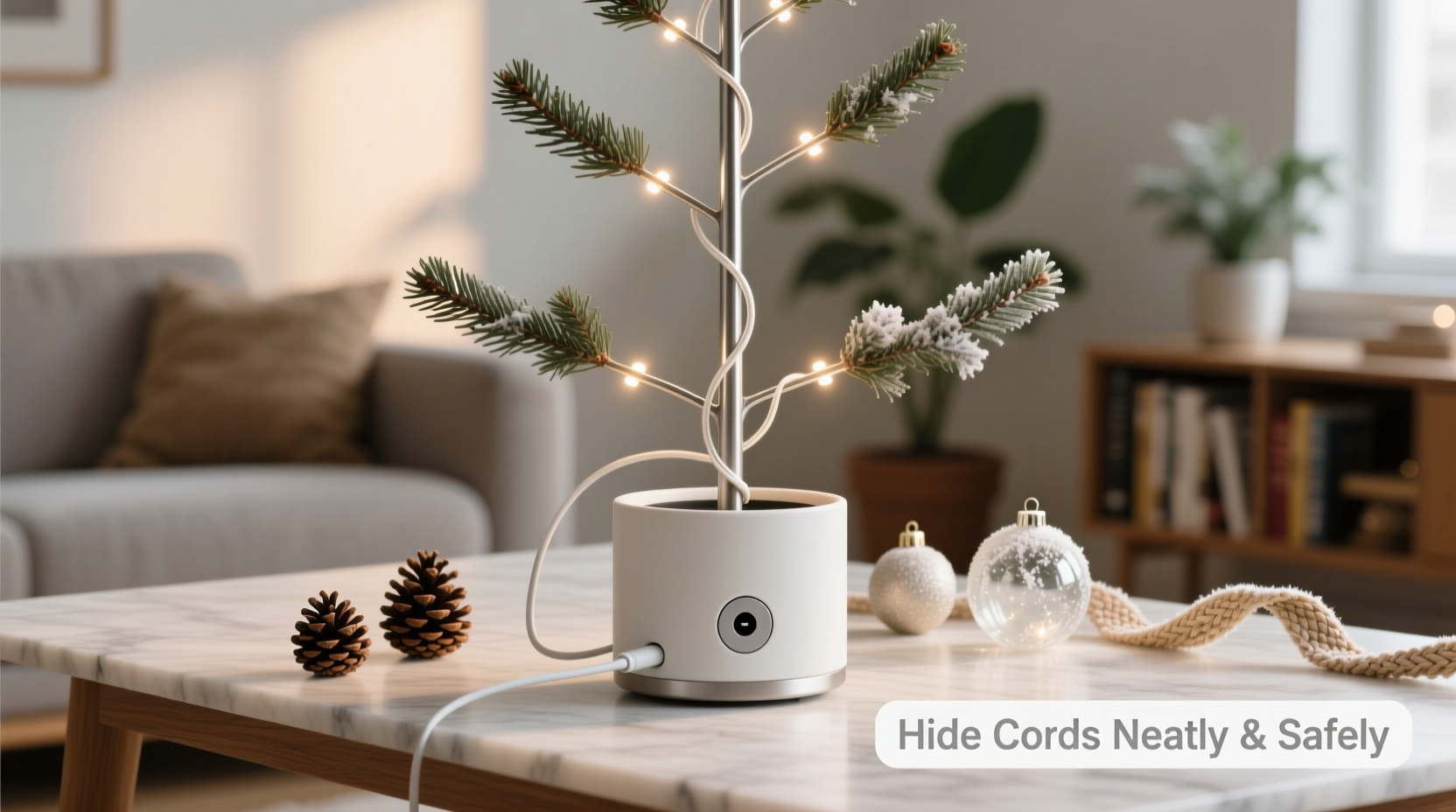
Unlike full-sized trees that often sit near baseboards or behind furniture, tabletop models are typically placed on dining tables, consoles, or sideboards—areas where cords are highly visible. An exposed wire not only disrupts the visual harmony of your décor but also increases the risk of accidental tugs, overheating from pinched cables, or even fire hazards if insulation is compromised.
Proper cord management enhances safety and elevates your overall presentation. A well-hidden cord contributes to a clean, intentional aesthetic, making your tree appear as though it’s glowing magically rather than being plugged into an outlet across the room.
Step-by-Step Guide to Neatly Concealing Your Tree Cord
Successfully hiding a cord requires more than just draping fabric over it. The best results come from a systematic approach that considers placement, materials, and long-term accessibility. Follow this five-step process for optimal outcomes.
- Plan the Layout Before Setup
Measure the distance between your intended tree location and the nearest outlet. Use painter’s tape or string to simulate the cord path along walls, furniture edges, or under rugs. Adjust the tree position if needed to minimize visible runs. - Choose the Right Extension Option
If the outlet is too far, use a low-profile extension cord rated for indoor use. Opt for a dark-colored cord (black or brown) to blend with floors or baseboards. Avoid daisy-chaining multiple extensions, which increases fire risk. - Route the Cord Along Natural Lines
Follow baseboards, table legs, or crown molding to guide the cord discreetly. Use adhesive cable clips or raceways painted to match the wall color to secure the wire in place without damaging surfaces. - Use Decorative Covers or Camouflage
Dress up the cord using faux ivy garlands, ribbon wraps, or custom sleeves made from felt or fabric. For a minimalist look, run the cord through a hollow decorative pillar or inside a faux book stack next to the tree. - Secure the Final Connection Safely
Ensure the plug connects snugly without strain. If the outlet is behind furniture, leave at least 2 inches of clearance behind the item for ventilation and easy unplugging.
Mini Case Study: A Cozy Apartment Holiday Display
In a Brooklyn studio apartment, Sarah wanted to place her 3-foot pre-lit tabletop tree on a vintage trunk used as a coffee table. The nearest outlet was 8 feet away along an exposed wall. Instead of running the cord diagonally across the floor, she used a white plastic cord raceway adhered to the baseboard, painting it to match the trim. She then wrapped the final stretch of cord in red-and-white striped fabric, resembling peppermint candy. The result? A seamless look that guests assumed was battery-powered—plus no tripping hazards in her small living space.
Effective Materials and Tools for Cord Hiding
The right supplies make all the difference in achieving a professional finish. Below is a comparison of popular cord-concealment solutions, including their pros, cons, and ideal use cases.
| Material/Tool | Pros | Cons | Best For |
|---|---|---|---|
| Adhesive Cable Clips | Inexpensive, removable, variety of colors | May not hold thick cords securely | Short runs along baseboards |
| Cord Raceways | Holds multiple cords, paintable, durable | Permanent installation, visible profile | Long-term setups, high-traffic areas |
| Faux Garland Wrap | Decorative, blends with theme, reusable | Requires time to wrap evenly | Holiday-specific displays |
| Fabric Cord Sleeves | Soft texture, customizable length | Can collect dust, needs washing | Visible sections on tables or shelves |
| Under-Rug Cord Protectors | Flat design, walkable surface, hidden path | Only works with area rugs, heat buildup risk | Running cords across open floor spaces |
Expert Insight: Safety First in Holiday Décor
Electrical safety during the holidays is a top concern for fire prevention specialists. According to the National Fire Protection Association (NFPA), December sees more home fires involving decorations than any other month, with electrical distribution or lighting equipment involved in nearly half of those incidents.
“Even small decorative lights can overheat if cords are bent sharply or covered improperly. Always allow airflow around cords and avoid wrapping them in flammable materials like dry moss or paper.” — James Liao, Senior Electrical Safety Engineer at NFPA
This advice underscores the importance of choosing non-flammable concealment materials and never embedding cords within real or artificial snow, cotton batting, or dense foliage. Flame-resistant fabrics and open-weave covers are safer alternatives.
Checklist: Preparing Your Tabletop Tree Cord Setup
Before turning on your tree, go through this essential checklist to ensure your cord is hidden properly and safely:
- ✅ Inspect the entire cord length for damage or wear
- ✅ Confirm the outlet is easily accessible for unplugging
- ✅ Choose a cord path that avoids foot traffic zones
- ✅ Secure the cord every 12–18 inches using appropriate fasteners
- ✅ Ensure no part of the cord is under pressure (e.g., beneath furniture)
- ✅ Test the connection—make sure lights work without flickering
- ✅ Keep the plug and outlet free of obstructions for ventilation
- ✅ Set a reminder to unplug the tree when leaving home or sleeping
Creative and Themed Cord-Hiding Ideas
Beyond functionality, cord concealment offers an opportunity to enhance your holiday theme. Consider these imaginative approaches:
- Fairy Tale Forest: Wrap the cord in green felt and attach miniature paper mushrooms or pinecones to mimic a woodland trail.
- Vintage Elegance: Run the cord through a hollow brass candlestick or antique-style book prop placed beside the tree.
- Modern Minimalist: Use a black magnetic raceway mounted to a metal side table leg, blending invisibly into the design.
- Kids’ Room Theme: Dress the cord as a “candy cane lane” using red-and-white twine or pipe cleaners twisted around it.
These ideas transform a utilitarian necessity into a storytelling element, reinforcing the magic of the season.
FAQ: Common Questions About Hiding Tree Cords
Can I use tape to hold the cord in place?
You can use double-sided mounting tape designed for cables, but avoid standard duct or masking tape. These can leave residue, lose adhesion over time, or damage delicate flooring. Instead, opt for removable adhesive clips or putty-based holders that won’t scratch surfaces.
Is it safe to cover cords with fabric or decorations?
Yes, but only if the covering allows heat to dissipate. Never tightly wrap cords in thick fabric, foam, or flammable materials. Use breathable weaves and check the cord periodically for warmth. If it feels hot to the touch, remove the covering immediately.
What should I do if my outlet is too far from the table?
Use a UL-listed indoor extension cord of appropriate gauge (typically 16 AWG for short runs). Avoid extending beyond 25 feet unless necessary. Position the cord along walls or under rugs with protective covers, and never run it through doorways or high-traffic paths where it could be damaged.
Conclusion: A Safer, Sleeker Holiday Display Starts Today
Hiding the cord from your tabletop Christmas tree isn’t just about aesthetics—it’s a crucial step in creating a safe, enjoyable holiday environment. With careful planning, the right tools, and a touch of creativity, you can eliminate clutter and hazards while enhancing the charm of your seasonal décor. Whether you choose sleek raceways, themed wraps, or strategic furniture placement, the goal remains the same: a display that delights the eye without compromising peace of mind.
Start now—before the tree goes up—by mapping your cord route and gathering the materials you’ll need. Small efforts today lead to a smoother, safer, and more beautiful celebration tomorrow.




 浙公网安备
33010002000092号
浙公网安备
33010002000092号 浙B2-20120091-4
Comments
No comments yet. Why don't you start the discussion?