
Christmas lights bring warmth, joy, and festive charm to homes every holiday season. But once the bulbs are strung and glowing, one issue remains: tangled, unsightly cords snaking across walls, floors, and baseboards. Beyond being visually distracting, exposed cords can pose tripping hazards, get damaged by foot traffic, or attract curious pets. The good news? With a little planning and creativity, you can conceal these cords effectively while maintaining safety and style. From architectural features to clever DIY solutions, this guide walks you through practical, tested methods that keep your decor polished and your household secure.
Why Hiding Cords Matters: Safety and Aesthetics
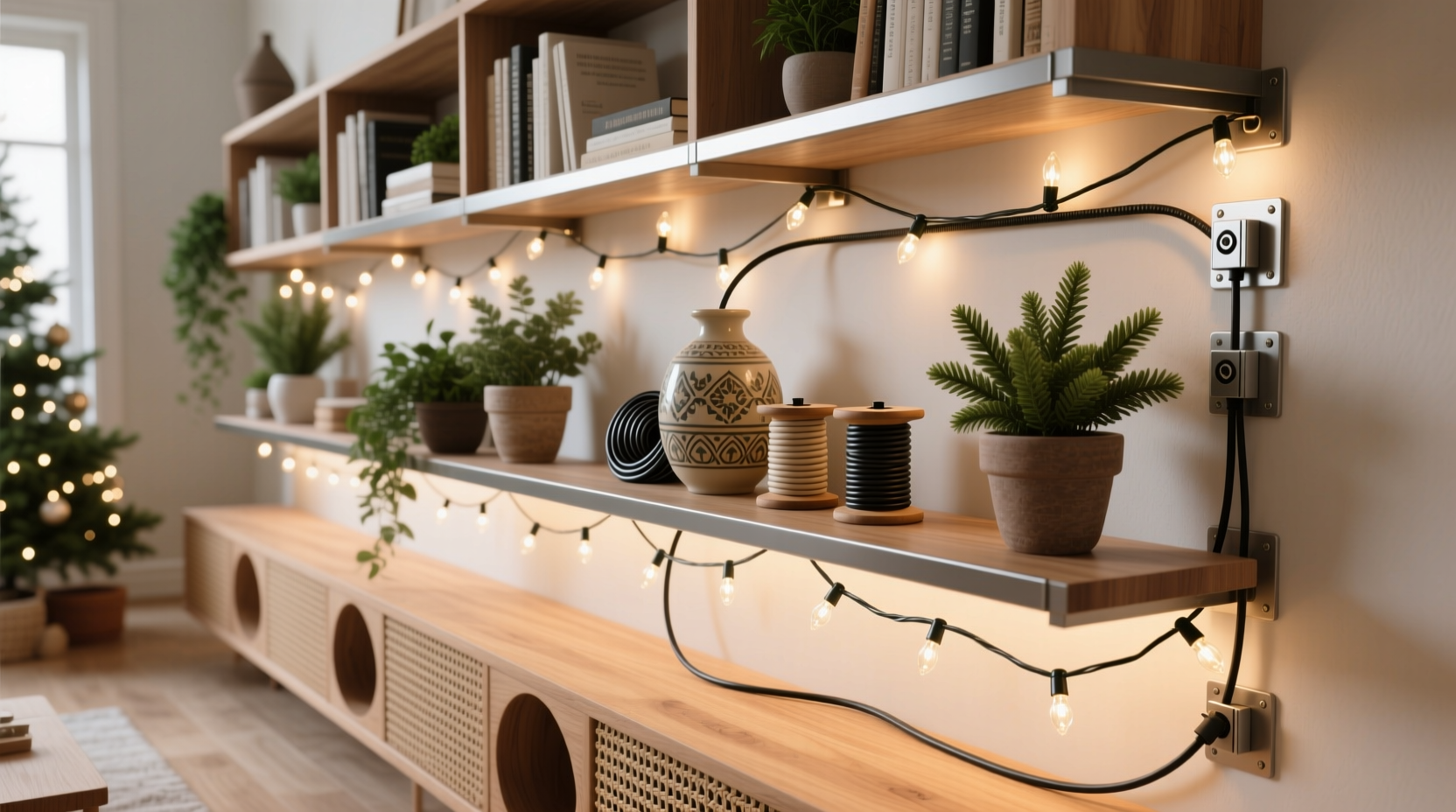
Exposed electrical cords aren’t just an eyesore—they’re a liability. According to the National Fire Protection Association (NFPA), decorative lighting accounts for an estimated 7% of home fire incidents during the holiday season, often due to damaged wiring, overloaded circuits, or improper placement. Tangled or frayed cords increase the risk of overheating, especially when hidden under rugs or pinched behind furniture.
Aesthetically, visible cords disrupt the magic of your display. A beautifully lit mantle loses its impact when a black wire runs down the center like a scar. By concealing cords thoughtfully, you elevate your decor and create a seamless, professional look without sacrificing safety.
Creative and Safe Methods to Hide Christmas Light Cords
The key to effective cord concealment lies in blending functionality with design. Below are seven proven strategies, ranging from subtle architectural tricks to budget-friendly hacks.
1. Use Baseboard and Trim Channels
Many homes have natural grooves along baseboards or crown molding where cords can be tucked. For tighter fits, install adhesive-backed cord channels—flat, paintable plastic covers designed to blend into trim work. These are ideal for hallways, staircases, or living rooms where cords travel vertically or horizontally along walls.
Apply double-sided tape or small nails to secure the channel. Feed the cord inside, then snap the cover shut. Choose white or off-white units for neutral spaces, or paint them to match bold wall colors.
2. Route Cords Behind Furniture
Furniture isn’t just functional—it’s strategic. Position sofas, bookshelves, or entertainment centers to mask cords running from outlets to trees or mantles. For example, run the power line behind a Christmas tree stand, then feed it behind a nearby cabinet to reach an outlet.
Ensure cords aren’t pinched or compressed. Never place heavy furniture directly on top of wires, as this can damage internal conductors over time.
3. Utilize Cord Covers and Raceways
Raceways are low-profile, rectangular channels mounted directly onto walls or baseboards. They come in various lengths and finishes, including wood-grain and metallic options. Ideal for high-traffic areas like entryways or kitchens, raceways protect cords from foot traffic and pets while offering a clean, finished appearance.
Mount with screws or industrial-strength adhesive. Paintable models allow customization. Some even feature dual compartments—one for power cords, another for extension lines or control boxes.
4. Weave Through Curtains or Drapery
If you're decorating windows with lights, use existing curtain rods and fabric folds to your advantage. Run cords up the back of drapes, securing them discreetly with fabric clips or Velcro strips. This works especially well with sheer or lined curtains that naturally obscure thin wires.
This method keeps cords away from children and pets while enhancing the ethereal glow of window displays.
5. Conceal Under Rugs and Floor Runners (Safely)
Running cords under area rugs is tempting but risky if done incorrectly. Standard rugs trap heat and prevent ventilation, increasing fire hazards. However, using a cord protector ramp or floor cord cover eliminates this danger.
These flat, rubberized ramps sit on top of the floor, allowing cords to pass underneath while people walk over safely. They’re available in clear, black, or carpet-mimicking textures. Place them at door thresholds, across hallways, or near entertainment centers.
“Never bury cords under thick rugs or carpets unless they’re rated for in-floor use. Heat buildup is a real concern.” — Mark Delaney, Electrical Safety Inspector, NFPA
6. Integrate Into Wreaths and Greenery
For outdoor or indoor wreath lighting, wrap mini-light cords around the wreath frame itself. Start at the outlet side, spiral the wire through the foliage, and plug in at the nearest source. Artificial green garlands on mantles or banisters can also house cords within their stems.
Use zip ties or floral wire to anchor cords gently, avoiding sharp bends. This creates a “glowing from within” effect while keeping connections hidden.
7. Employ Smart Outlet and Extension Strategies
Sometimes the best way to hide cords is to reduce their length. Use smart power strips or multi-outlet extenders near common decoration zones—mantles, trees, window sills—to minimize long runs. Battery-operated lights eliminate cords entirely for smaller displays.
Consider installing temporary outlet extenders or relocating furniture slightly to access closer power sources. Just ensure all outlets are grounded and not overloaded.
Step-by-Step Guide: Concealing Tree Light Cords in a Living Room
Here’s a realistic sequence for hiding cords from a Christmas tree placed 10 feet from the nearest outlet:
- Assess the route: Identify the most direct, least visible path from tree to outlet—along baseboards, behind a sofa, or under a runner.
- Choose your method: If routing behind furniture, ensure clearance. If going across floor, use a cord ramp.
- Prepare the cord: Test lights first. Coil excess neatly at the base of the tree.
- Install concealment: Apply adhesive raceway or lay cord ramp. Feed the cord through smoothly—no kinks.
- Secure and test: Fasten with clips or tape if needed. Plug in and verify all bulbs work.
- Final touch: Drape a tree skirt fully over the base to hide any remaining wire clutter.
This process takes under 30 minutes and dramatically improves both safety and visual appeal.
Do’s and Don’ts: Cord Management Best Practices
| Do | Don’t |
|---|---|
| Use cord covers rated for indoor/outdoor use | Run cords under thick rugs without protection |
| Check cords monthly for wear during the season | Daisy-chain more than three light sets together |
| Unplug lights when leaving home or sleeping | Use nails or staples to fasten cords to walls |
| Use LED lights—they run cooler and use less energy | Hide cords inside walls or insulation permanently |
| Label cords for easy identification next year | Leave damaged or flickering strings plugged in |
Mini Case Study: A Cozy, Cord-Free Entryway Display
Sarah, a homeowner in Portland, wanted to decorate her narrow front hallway with string lights along the staircase railing. The only outlet was near the coat closet, five feet from the bottom step. Initially, she draped the cord across the floor, creating a tripping hazard.
Her solution? She installed a 6-foot white cord raceway along the baseboard, curving it around the closet door jamb. The cord was fed through, and the cover snapped shut. At the stairs, she used clear plastic clips to attach the lights to the railing, letting the final stretch remain visible but minimal.
The result: a warm, inviting glow with no exposed wiring on the walking surface. Her toddler and dog could move freely, and guests complimented the “store-display” quality of the setup.
Checklist: Preparing for Safe, Hidden Christmas Light Cords
- ☐ Inspect all light strings for damage before use
- ☐ Map out the shortest, safest route from lights to outlet
- ☐ Gather necessary tools: cord covers, clips, Velcro, zip ties
- ☐ Choose concealment method based on location (wall, floor, furniture)
- ☐ Install cord protectors in high-traffic or pet-prone areas
- ☐ Avoid overloading circuits—use a power strip with surge protection
- ☐ Test lights after installation and check weekly
- ☐ Unplug lights when not at home or during sleep hours
- ☐ Label each cord set for easier storage post-holiday
- ☐ Plan removal strategy—don’t rush takedown, avoid yanking cords
FAQ: Common Questions About Hiding Christmas Light Cords
Can I paint cord covers to match my walls?
Yes—most plastic raceways and cord channels are paintable. Clean the surface with rubbing alcohol, apply a primer for plastic, then use latex or acrylic paint. Allow full drying time before snapping closed.
Are wireless or battery-powered lights worth it?
For small displays—wreaths, centerpieces, shelves—battery-operated LED strings are excellent. They eliminate cords entirely and offer flexible placement. However, they require frequent battery changes and aren’t ideal for large-scale lighting. Use them strategically alongside hardwired sets.
How do I hide cords on hardwood or tile floors safely?
Never tape cords directly to flooring—that damages finishes and creates slip risks. Instead, use low-profile cord ramps or transparent floor covers. These stay flat, allow foot traffic, and protect both floor and wire. Remove them carefully after the season to avoid residue.
Expert Insight: Prioritizing Safety Without Sacrificing Style
“The holidays are about celebration, but electricity demands respect. Concealment shouldn’t mean concealment *from inspection*. Make sure cords remain accessible for checks and unplugging.” — Laura Simmons, Home Safety Consultant, Consumer Product Safety Commission
Her advice underscores a crucial point: hiding cords doesn’t mean forgetting them. Even the most elegant setup should allow quick access for maintenance or emergencies.
Conclusion: Shine Bright, Stay Safe
Hiding Christmas light cords isn’t just about tidiness—it’s about creating a safer, more beautiful home during the most magical time of year. With thoughtful planning and the right tools, you can maintain the wonder of your display while protecting your family and property. Whether you opt for sleek raceways, clever furniture placement, or smart lighting alternatives, every effort counts.
Start early, inspect thoroughly, and never compromise on electrical safety for the sake of aesthetics. When the lights go on and the room glows with warmth, you’ll know the extra care was worth it—not just for how it looks, but for how securely it lasts.




 浙公网安备
33010002000092号
浙公网安备
33010002000092号 浙B2-20120091-4
Comments
No comments yet. Why don't you start the discussion?