
Christmas lights strung from floor to ceiling can transform any room into a winter wonderland. But the exposed cords often spoil the illusion, creating a tangled web of wires that distract from the festive glow. Whether you're decorating a home, retail space, or event venue, concealing these cords is essential for achieving a polished, professional appearance. The good news: with the right tools and techniques, it’s entirely possible to make those cords disappear—without compromising safety or accessibility.
This guide walks through proven methods used by decorators and electricians alike, combining practicality with visual finesse. From architectural solutions to clever concealment hacks, you’ll learn how to create seamless vertical lighting effects that appear to float in midair.
Why cord concealment matters in vertical light displays
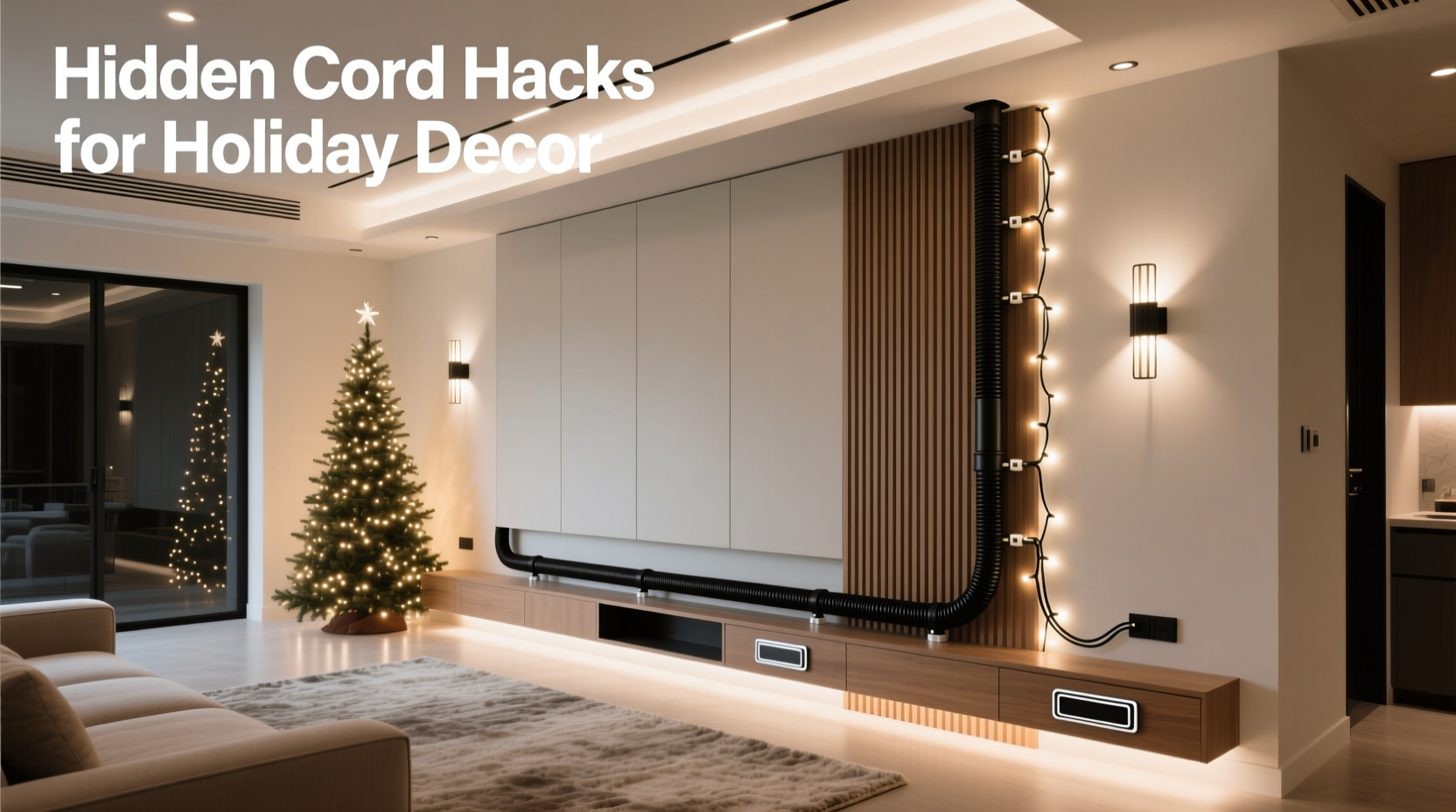
A poorly managed cord setup undermines even the most elaborate lighting design. Visible extension cords running up walls or across floors not only look messy but also pose tripping hazards and fire risks if improperly secured. More importantly, they break the immersive experience of holiday decor.
Professional decorators know that the magic lies in what isn’t seen. When done right, floor-to-ceiling lights seem to cascade like frozen rain or rise like glowing vines—ethereal and intentional. That illusion hinges on eliminating visual clutter. Hidden cords also protect your investment; tucked-away wiring is less likely to be damaged by foot traffic or furniture movement.
“Great holiday lighting doesn’t just illuminate—it tells a story. And stories fall apart when the audience sees the strings.” — Marcus Bell, Professional Holiday Lighting Designer
Step-by-step guide to hiding cords vertically
Hiding cords from floor to ceiling requires planning, precision, and patience. Follow this sequence to achieve clean results while maintaining electrical safety.
- Plan your layout: Sketch where each string of lights will go. Mark outlet locations, window frames, doorways, and obstructions. Decide whether cords will run along baseboards, behind furniture, or up corners.
- Select low-profile extension cords: Use flat, slim cords instead of bulky round ones. They’re easier to tape down and less noticeable under molding or carpet edges.
- Use cord covers or raceways: Adhesive-mounted plastic channels blend with walls and protect multiple wires. Choose white or paintable versions to match your wall color.
- Route cords discreetly: Run wires along natural lines—baseboards, crown molding seams, or inside curtain rods. Avoid crossing open floor areas unless absolutely necessary.
- Secure every inch safely: Never use nails or staples directly into cords. Instead, use insulated wire clips, adhesive hooks, or Velcro straps spaced every 12–18 inches.
- Test before finalizing: Plug in all strands to ensure connections work and no flickering occurs. Adjust placement if needed before committing to permanent fixes.
- Add finishing touches: Camouflage remaining visible sections with garlands, ribbons, or faux ivy wrapped around cord paths.
Effective cord-hiding methods compared
Different spaces call for different solutions. Below is a comparison of popular techniques based on visibility, cost, installation effort, and reusability.
| Method | Visibility | Cost | Installation Effort | Reusable? |
|---|---|---|---|---|
| Adhesive Cord Covers | Low (when painted) | $$ | Medium | Yes |
| Baseboard Routing | Very Low | $ | Low | Yes |
| Furniture Concealment | Moderate | Free–$ | Low | Yes |
| Wall Clips & Hooks | High (if mismatched) | $ | Low | Yes |
| Decorative Wrapping (e.g., greenery) | Low | $$ | Medium | No |
| In-Wall Conduit (professional) | None | $$$$ | High | Yes |
For renters or temporary setups, adhesive cord covers and baseboard routing offer the best balance of effectiveness and reversibility. Homeowners planning long-term installations may consider installing surface-mounted raceways or even scheduling professional conduit runs during renovations.
Real-world example: A living room transformation
Sarah Thompson, a homeowner in Portland, wanted to create a “snowfall” effect in her two-story living room using LED string lights descending from the ceiling. Her initial attempt left cords zigzagging across hardwood floors and taped haphazardly to walls—unsightly and unsafe with young children in the house.
She revised her approach using three key strategies: First, she routed all power cords behind heavy furniture—sofa, entertainment center, and bookshelves—using bendable adhesive clips to secure them to the back edges. Second, she installed white plastic cord covers along the baseboard near the staircase, painting them to match the trim. Third, she grouped multiple strands into a single vertical line near the window frame, wrapping the bundled cords with artificial pine garland to mimic a natural evergreen column.
The result was a seamless cascade of twinkling lights that appeared to emerge from the ceiling without any visible infrastructure. Neighbors assumed she hired a professional decorator—proof that thoughtful cord management elevates DIY projects.
Critical safety considerations
No amount of aesthetic improvement justifies compromising electrical safety. All cord-hiding methods must adhere to basic safety principles:
- Never cover cords with flammable materials such as fabric, paper, or insulation. Even low-heat LEDs can malfunction and ignite nearby combustibles if ventilation is blocked.
- Do not overload circuits. Calculate total wattage of all connected lights and stay below 80% of the circuit’s capacity (typically 1,440 watts on a 15-amp breaker).
- Avoid pinching or kinking cords. Sharp bends weaken internal wiring and increase resistance, leading to overheating.
- Use UL-listed products only. Cheap knockoff cord covers or adapters may not meet fire-resistant standards.
- Inspect annually. Before reinstalling lights, check for frayed insulation, cracked plugs, or discolored connectors.
Pro checklist: Pre-installation prep for hidden cords
Before hanging a single strand, complete this checklist to ensure a smooth, safe, and invisible wiring job:
- ✅ Measure distance from outlet to highest light point
- ✅ Calculate number of extension cords and splitters needed
- ✅ Choose cord concealment method based on wall type and decor
- ✅ Gather supplies: adhesive clips, cord covers, painter’s tape, zip ties, ladder
- ✅ Test all lights and cords for functionality
- ✅ Confirm circuit capacity won’t be exceeded
- ✅ Plan access points for future maintenance (e.g., removable panel in garland wrap)
- ✅ Take photos of layout for next year’s reference
Frequently asked questions
Can I run cords inside curtains or drapes?
Only if the fabric is flame-resistant and the cords are not compressed or covered. Avoid placing wires directly against thick, flammable drapery. Instead, route them behind the rod track or inside a non-flammable liner. Ensure there's airflow around the cord to prevent heat buildup.
Is it safe to paint plastic cord covers?
Yes, but only with water-based acrylic or latex paint. Oil-based paints can degrade certain plastics over time. Always clean and lightly sand the surface first, apply thin coats, and let dry completely before installing. Test paint on a scrap piece first.
What’s the best way to hide cords on rental property walls?
Use removable adhesive solutions like Command™ strips with mini raceways, or run cords behind furniture and baseboards. Avoid drilling or permanent adhesives. Removable vinyl cord sleeves in neutral colors offer a nearly invisible, damage-free option that peels off cleanly after the season.
Final thoughts: Elevate your display with invisible infrastructure
The difference between amateur and exceptional holiday lighting often comes down to one overlooked detail: cord management. Taking time to thoughtfully conceal wiring transforms a simple decoration into an enchanting experience. It shows care, attention to detail, and respect for both aesthetics and safety.
You don’t need expensive gear or construction skills—just strategy and consistency. By applying the techniques outlined here, from strategic routing to smart concealment, you can create floor-to-ceiling light displays that captivate without distraction. Let the lights shine center stage, exactly where they belong.




 浙公网安备
33010002000092号
浙公网安备
33010002000092号 浙B2-20120091-4
Comments
No comments yet. Why don't you start the discussion?