
A beautifully decorated Christmas tree is the centerpiece of holiday decor. But one element often undermines its charm: exposed power cords snaking across the floor from the wall outlet to the tree base. Not only do visible cords detract from the aesthetic, but they also pose a tripping hazard—especially in homes with children or pets. The good news? You don’t need to sacrifice safety or style to keep your lights glowing. With thoughtful planning and a few clever solutions, you can conceal cords effectively while maintaining full functionality and peace of mind.
This guide walks through proven, practical methods to hide cords from floor to Christmas tree—safely and discreetly. Whether you’re dealing with hardwood floors, area rugs, or tight corners, these strategies ensure your holiday display remains both magical and hazard-free.
Why Hiding Cords Matters Beyond Aesthetics
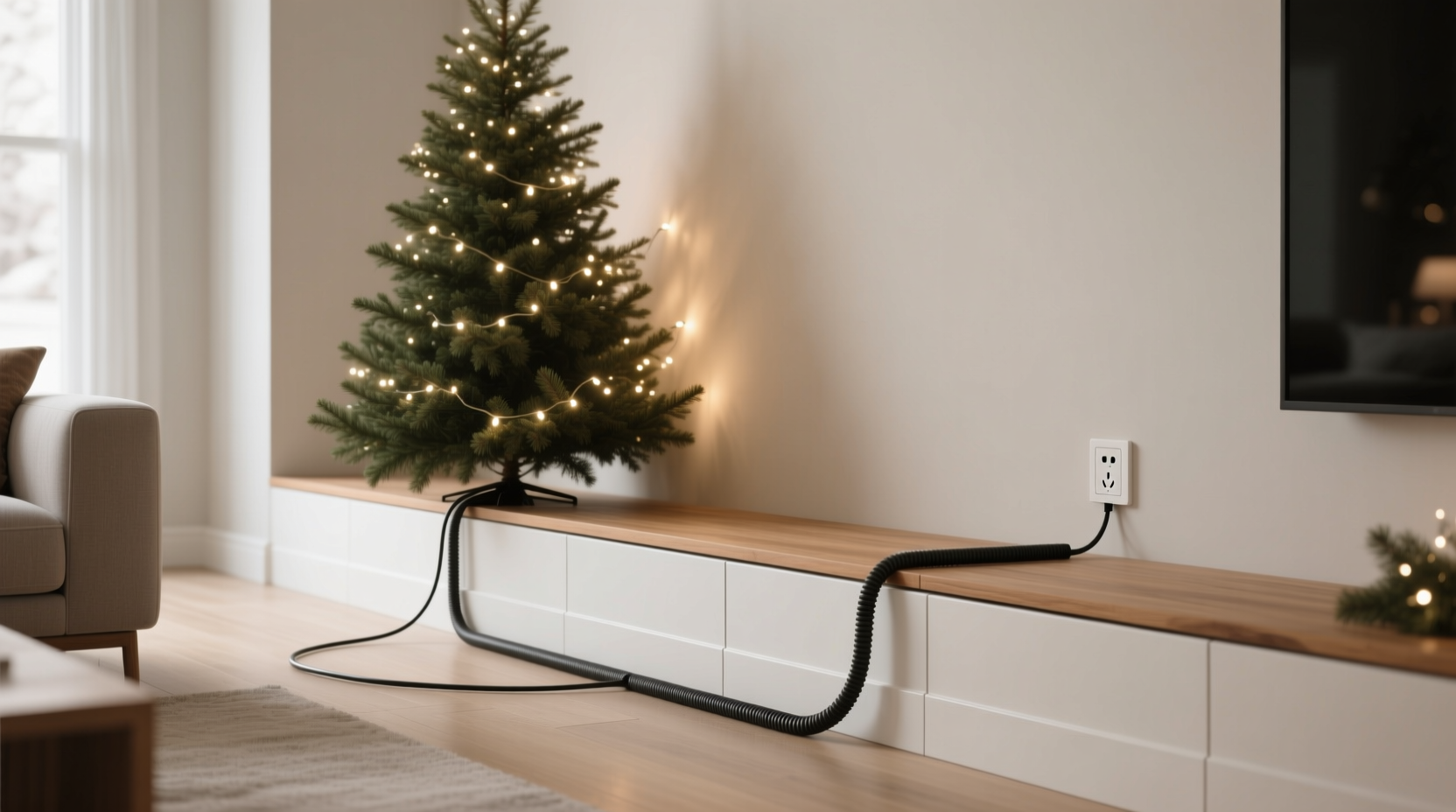
While many people focus on cord concealment purely for visual appeal, there are deeper reasons to address this issue every holiday season. Exposed cords increase the risk of accidents, especially in high-traffic areas. According to the National Fire Protection Association (NFPA), electrical failures or malfunctions were factors in an estimated 44% of home Christmas tree fires between 2014 and 2018. While not all incidents stem from cord damage, frayed or pinched wires due to foot traffic or furniture pressure significantly raise fire risks.
Beyond safety, well-hidden cords contribute to a polished, intentional look. Guests notice details—even subtle ones like a tangled wire near the tree stand. By taking time to manage cords properly, you elevate your entire holiday presentation without spending more on decorations.
Step-by-Step Guide: Safely Concealing Floor-to-Tree Cords
Follow this sequence to plan and execute a clean, secure cord path from your outlet to the Christmas tree.
- Map the Route: Trace the most direct path from the nearest outlet to your tree location. Note obstacles like doorways, furniture legs, or carpet edges.
- Measure the Distance: Use a tape measure to determine how much cord length you’ll need. Add 12–18 inches for slack at both ends.
- Choose Your Concealment Method: Based on flooring type, decor style, and household needs, select one or more techniques discussed below.
- Install with Safety in Mind: Never run cords under rugs long-term, avoid sharp bends, and never overload outlets or extension strips.
- Test Before Finalizing: Plug everything in first to confirm lights work and connections stay cool during operation.
- Camouflage Remaining Visibility: Use decorative elements like garland, faux snow, or themed cord covers to blend what’s left into the scenery.
Top 5 Methods to Hide Cords Discreetly and Safely
1. Cord Covers (Paintable Cable Trunking)
Cord covers—also known as cable raceways—are hollow plastic channels that snap over cords and adhere to the floor or baseboard. Available in white, beige, and paintable finishes, they offer a low-profile solution ideal for hardwood or tile floors.
Installation is straightforward: clean the surface, align the cover along your planned route, apply adhesive strips or screws, lay the cord inside, then snap the lid shut. For a seamless look, paint the cover to match your baseboard or floor trim.
2. Baseboard Routing
If your tree sits near a wall, use the baseboard as a natural shield. Run the cord vertically down from the outlet, along the baseboard, and behind the tree stand. Secure it loosely with painter’s tape or removable adhesive clips every 12 inches to prevent sagging.
This method keeps cords out of sight and away from foot traffic. It’s especially effective in formal living rooms where floor-level clutter stands out.
“Using architectural features like baseboards reduces reliance on add-on products and creates a cleaner visual line.” — Laura Simmons, Interior Stylist & Holiday Design Consultant
3. Under-Rug Solutions (With Caution)
Running cords under area rugs can be tempting—but it's risky if done incorrectly. Heat buildup from energized wires trapped beneath fabric increases fire danger. However, you can mitigate this by using flat, low-voltage cords and ensuring the rug isn’t piled over other textiles.
For safer under-rug routing:
- Use only UL-listed flat cords designed for indoor floor use.
- Ensure the rug lies flat with no wrinkles that could pinch the wire.
- Lift the rug weekly to check for warmth or wear.
- Never place heavy furniture over corded sections.
4. Decorative Cord Wraps & Camouflage Sleeves
Instead of hiding cords completely, disguise them as part of the decor. Fabric-covered cord sleeves in red, green, or plaid patterns wrap around standard power strips and extension cords. These are particularly effective when the cord runs partially visible—say, from under a coffee table toward the tree.
Alternatively, twist garland or tinsel lightly around the cord itself. This works best on vertical segments near the trunk or up the lower branches, blending utility with ornamentation.
5. Furniture and Tree Skirt Integration
Leverage existing decor items to mask cords. Place a bench, ottoman, or storage basket near the tree base and route the cord behind or underneath it. Ensure airflow around the cord and avoid compressing it under weight.
Inside the tree, use a full tree skirt to conceal the final stretch. Position the plug access point toward the back or side facing the wall. Some modern skirts even include hidden pockets or slits for cord management.
Do’s and Don’ts: Cord Management Best Practices
| Do | Don’t |
|---|---|
| Use cord clips to secure wires without nails | Nail or staple cords to floors or walls |
| Choose surge-protected extension cords rated for indoor use | Daisy-chain multiple extension cords together |
| Leave slack near the tree for easy rotation or adjustment | Pull cords tight across sharp floor edges |
| Inspect cords daily during peak usage | Cover cords with flammable materials like paper or cloth long-term |
| Unplug lights when leaving home or sleeping | Run cords through high-traffic walkways unprotected |
Mini Case Study: The Urban Apartment Holiday Setup
Jamie lives in a compact city apartment with hardwood floors and an open-concept layout. Her Christmas tree stands 8 feet from the nearest outlet, right in the middle of the living space. Last year, she used a coiled extension cord that created a tripping hazard each time someone walked to the kitchen.
This year, Jamie opted for a combination approach. She installed a paintable cord cover along the baseboard, turning the corner near her entertainment center. From there, she ran a flat, braided extension cord under a narrow runner rug leading to the tree. She secured both ends with non-slip rug pads to prevent shifting. Finally, she wrapped the last two feet of cord in a green velvet sleeve and tucked it beneath a handmade tree skirt with a rear access slit.
The result? No visible wires, zero tripping, and a setup that stayed cool after 12 hours of continuous use. Jamie now checks the cord weekly and unplugs nightly—a small habit that brings big peace of mind.
Checklist: Pre-Lighting Safety & Concealment
Before turning on your tree lights, go through this checklist to ensure everything is discreet and secure:
- ✅ Confirm all bulbs are functioning and none are loose
- ✅ Test GFCI outlets or circuit breakers for proper grounding
- ✅ Verify cord path avoids door swings and foot traffic zones
- ✅ Install cord covers or clips where needed
- ✅ Leave 6–12 inches of slack at plug and tree connection points
- ✅ Position the power strip within reach but out of sight
- ✅ Mark the on/off switch location for easy access
- ✅ Set a reminder to unplug lights after 10–12 hours of use
Frequently Asked Questions
Can I use duct tape to hide cords on the floor?
No. Duct tape may seem convenient, but it damages flooring finishes, leaves sticky residue, and doesn’t provide secure anchoring. Over time, loosened tape can cause cords to bunch or snag. Instead, use removable adhesive clips or cord covers designed for temporary installation.
Is it safe to run a cord under a carpet permanently?
No—never run electrical cords under carpets or rugs on a permanent basis. Trapped heat can degrade insulation and increase fire risk. If you must route under a rug temporarily, use only flat, low-heat cords, monitor temperature regularly, and remove the cord when not in use.
What’s the safest way to extend cord reach without multiple adapters?
Use a single, high-quality extension cord rated for indoor lighting loads (minimum 16 AWG, 13A). Avoid chaining multiple cords, which increases resistance and overheating risk. If distance exceeds 25 feet, consider installing a temporary floor outlet cover or consulting an electrician about adding a seasonal outlet.
Expert Insight: Electrical Safety During the Holidays
“The holidays bring joy, but also increased electrical demand. One overlooked risk is cord compression—when furniture or foot traffic presses down on wires, damaging internal conductors. Even if the outer jacket looks fine, the wire inside may be compromised. Always route cords where they won’t be stepped on or pinched.” — Marcus Tran, Licensed Electrician & NFPA Safety Advocate
Conclusion
Hiding cords from floor to Christmas tree isn’t just about appearances—it’s a critical step in creating a safe, welcoming holiday environment. With the right tools and attention to detail, you can eliminate tripping hazards, reduce fire risks, and let your tree shine without distractions.
From paintable cord covers to smart baseboard routing and decorative disguises, the options are flexible and affordable. Combine methods based on your space, prioritize safety over convenience, and always test before decorating.




 浙公网安备
33010002000092号
浙公网安备
33010002000092号 浙B2-20120091-4
Comments
No comments yet. Why don't you start the discussion?