
String lights add warmth, charm, and ambiance to any space—whether draped across a bedroom wall, framing a living room mirror, or accenting a patio railing. But the exposed power cord often undermines the aesthetic, creating visual clutter that distracts from the intended glow. A clean installation means more than just arranging bulbs; it requires thoughtful concealment of wires. Achieving a seamless look is entirely possible with the right tools, techniques, and attention to detail. This guide walks through practical, proven methods to hide cords effectively while maintaining safety, accessibility, and style.
Why hiding cords matters in wall decor
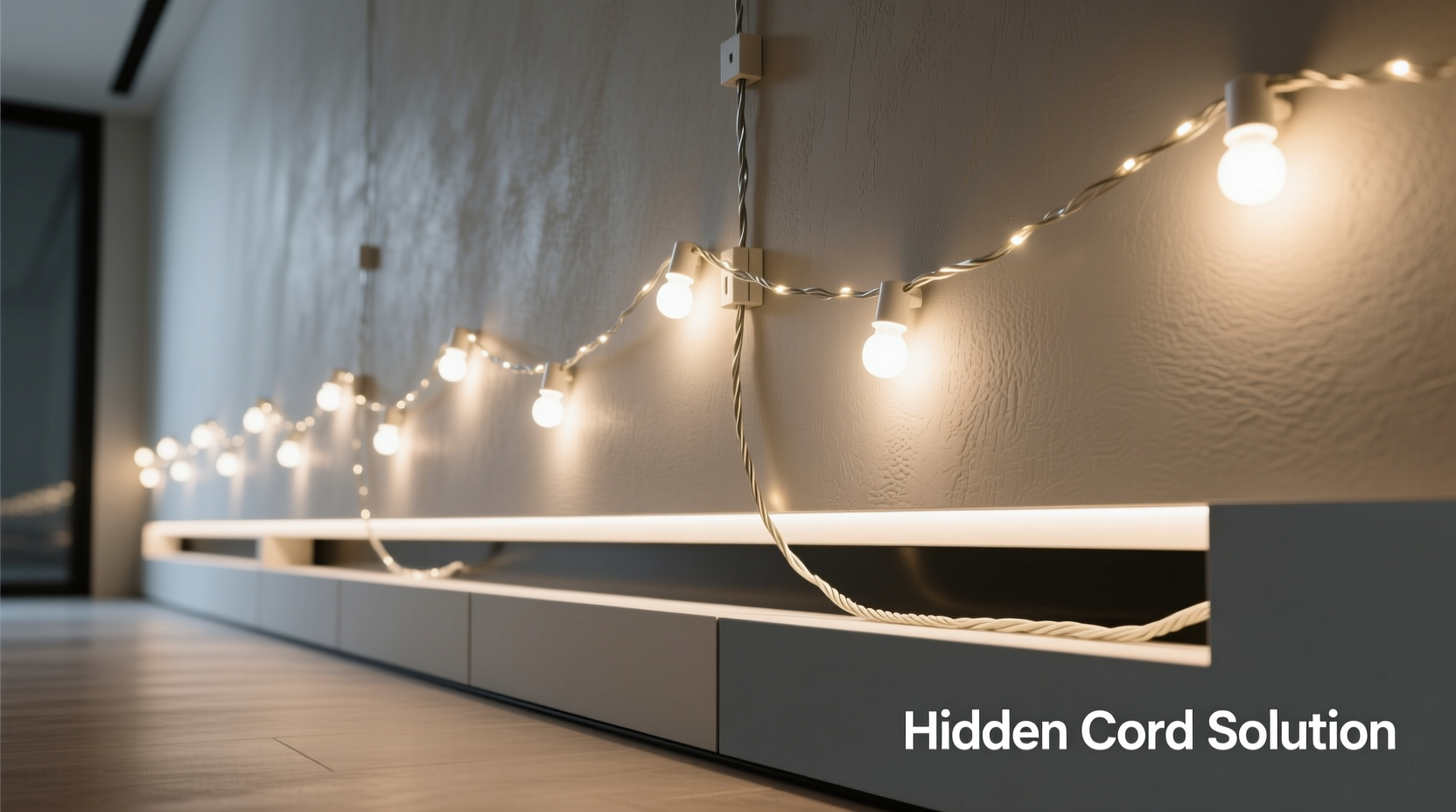
The appeal of string lights lies in their ethereal glow, not in tangled cords snaking down walls or across floors. Visible wiring breaks immersion, making a space feel unfinished or hastily decorated. In professional interior design, invisible wiring is a hallmark of refined execution. Beyond aesthetics, concealed cords also reduce tripping hazards, protect cables from damage, and prevent pets or children from pulling on them.
More importantly, clean wire management allows you to enjoy your lighting as art rather than infrastructure. When done well, viewers won’t notice where the power source is—they’ll only see the effect: soft illumination enhancing your wall’s character.
“Lighting should elevate a room without calling attention to its mechanics. The best installations are those where you feel the mood but never see the means.” — Lena Pruitt, Interior Lighting Designer
Step-by-step guide to concealing string light cords
Hiding cords isn’t about covering them up haphazardly—it’s about integrating them into your space intelligently. Follow this sequence for reliable results:
- Plan your layout before installation: Sketch or visualize where lights will go and trace the most direct, least visible path for the cord from outlet to first bulb.
- Choose the right type of string lights: Opt for low-voltage LED strands with thin, flexible cords. These are easier to conceal than bulky incandescent sets.
- Locate accessible outlets: If no outlet is nearby, consider using a slim power strip behind furniture or installing a new outlet (hire an electrician if needed).
- Route cords along natural seams: Baseboards, crown molding, door frames, and window trims offer ideal pathways.
- Select appropriate concealment tools: Use cable raceways, adhesive clips, or paint-matched cord covers depending on surface type.
- Install discreetly and securely: Avoid stretching cords tightly; allow slight slack to prevent strain.
- Test functionality before finalizing: Plug in the lights to ensure all bulbs work and connections remain stable.
- Inspect monthly: Check for heat buildup, fraying, or loosening attachments, especially near outlets.
Effective cord-hiding methods for different wall types
Not all walls are created equal. Drywall, wood paneling, brick, and tile each require tailored approaches. Below are five reliable strategies categorized by material and context.
1. Adhesive Cord Clips (Best for Drywall & Painted Surfaces)
Clear or white plastic clips adhere directly to walls using strong double-sided tape. Place them every 12–18 inches along the cord’s route, pressing firmly for maximum hold. Choose paintable versions if you plan to repaint later—just remove carefully to avoid peeling.
2. Cable Raceways (Ideal for Long Runs and Baseboards)
These rectangular channels mount flush against the wall and snap closed over cords. Available in white, beige, and textured finishes, they blend with trimwork. Cut to length with a utility knife and secure with screws or adhesive strips. Perfect for running cords vertically from floor outlets up to wall-mounted lights.
3. Crown Molding Integration (For Decorative Trim Walls)
If your ceiling has crown molding, tuck the cord behind it. Use small L-shaped brackets or museum putty to gently anchor the wire out of sight. This method works best when the molding creates a recessed gap between wall and ceiling.
4. Behind-Furniture Routing (Great for Living Rooms and Bedrooms)
Position dressers, bookshelves, or sofas so cords can travel behind them from outlet to wall. Use cord sleeves to bundle multiple wires neatly. Ensure at least 2 inches of clearance from heat sources and don’t pinch cords under heavy furniture.
5. Brick and Stone Wall Solutions
On textured surfaces, standard adhesives often fail. Instead, use brick clips—plastic anchors that wedge into mortar joints—or transparent silicone caulk to lightly adhere cords along grooves. Never nail or drill unless you’re prepared to patch afterward.
| Method | Best For | Visibility | Removal Difficulty |
|---|---|---|---|
| Adhesive Cord Clips | Drywall, painted walls | Low (when clear) | Easy |
| Cable Raceways | Baseboards, long runs | Medium | Moderate |
| Crown Molding Tuck | Trimmed ceilings | Very Low | Easy |
| Behind Furniture | Furnished rooms | None (if blocked) | Easy |
| Brick Clips / Caulk | Masonry walls | Low to Medium | Moderate (caulk harder) |
Checklist: Preparing for a clean string light setup
- ☐ Measure distance from outlet to light starting point
- ☐ Confirm voltage compatibility and circuit load limits
- ☐ Gather supplies: clips, raceway, scissors, level, pencil
- ☐ Test string lights before mounting
- ☐ Mark routing path lightly with pencil
- ☐ Clean wall surface thoroughly before applying adhesives
- ☐ Install anchors or clips along planned route
- ☐ Feed cord through clips or raceway
- ☐ Secure end near light strand with twist tie or zip lock
- ☐ Plug in and inspect overall appearance
Real example: Transforming a bedroom accent wall
Jamie, a freelance designer in Portland, wanted to frame a large gallery wall above her bed with fairy lights. The nearest outlet was behind the nightstand, six feet away and around a corner. Initially, she ran the cord loosely along the baseboard, but the zigzag looked messy.
She revisited the project with better planning. First, she installed a low-profile white cable raceway from the outlet up the side of the nightstand and across the back edge of the headboard. She then used clear adhesive clips to guide the final stretch diagonally to the top center of the gallery wall. By painting the raceway to match the trim and ensuring gentle bends in the cord, the entire run became nearly invisible. Now, guests comment on the “magical” glow—but never notice the wiring.
This case illustrates how minor adjustments in technique dramatically improve outcomes. Jamie spent less than $20 and two hours on rework, gaining a result she could confidently photograph for her portfolio.
Avoid these common mistakes
Even experienced decorators sometimes compromise safety or longevity due to oversight. Steer clear of these pitfalls:
- Overloading circuits: String too many connected strands, especially older models not rated for extension.
- Using household tape: Masking or duct tape yellows over time and damages paint upon removal.
- Ignoring heat buildup: Don’t bury cords under rugs, insulation, or tight bundles—this increases fire risk.
- Stretching cords too tight: Thermal expansion and contraction can weaken connections.
- Skipping outlet proximity checks: Extension cords should be last resort; they add bulk and failure points.
“Every hidden cord must still breathe. Concealment shouldn’t mean compression.” — Marcus Tran, Residential Electrician & Safety Consultant
FAQ: Common questions about hiding string light cords
Can I paint over cord covers to match my wall?
Yes, but only if the cover is made of paintable material like PVC or ABS plastic. Most commercial raceways accept latex paint. Test a small section first and apply thin coats to avoid clogging the snap mechanism.
Are wireless battery-powered string lights a good alternative?
They eliminate cords entirely and work well for short-term displays or locations far from outlets. However, they require frequent battery changes or recharging, and brightness may diminish over time. Best used sparingly—don’t rely on them for permanent installations unless rechargeable USB models are available.
Is it safe to run cords inside walls?
No—never install decorative string light cords inside wall cavities unless they are UL-rated for in-wall use and installed by a licensed electrician. Standard holiday or fairy lights are not approved for concealed wiring and pose serious fire hazards.
Final thoughts and next steps
Hiding cords when decorating a wall with string lights cleanly transforms a simple DIY project into a polished design feature. It reflects care, intentionality, and respect for both form and function. With the right combination of planning, tools, and technique, anyone can achieve a professional-quality finish without hiring help.
Start small: pick one wall, assess your outlet access, choose a concealment method, and execute with precision. Over time, these habits become second nature. As your confidence grows, experiment with layered lighting schemes, dimmers, or smart controls—all while keeping wiring out of sight.




 浙公网安备
33010002000092号
浙公网安备
33010002000092号 浙B2-20120091-4
Comments
No comments yet. Why don't you start the discussion?