
Every holiday season, the glow of a beautifully lit Christmas tree becomes the centerpiece of homes across the world. But behind that enchanting display often lies a cluttered mess: tangled cords, exposed controllers, and unsightly power bricks. While hiding light controllers inside the tree’s trunk seems like an elegant solution, it comes with real risks—overheating, poor ventilation, and loss of access when troubleshooting is needed.
With millions of households using artificial trees and LED lighting systems annually, safety and aesthetics are no longer optional—they’re essential. Done correctly, concealing your controller can enhance the magic of your decor while maintaining functionality and fire safety. This guide walks you through practical, tested methods to tuck away your light controls securely, ensuring both performance and peace of mind.
Why Hiding Controllers Matters—and What Can Go Wrong
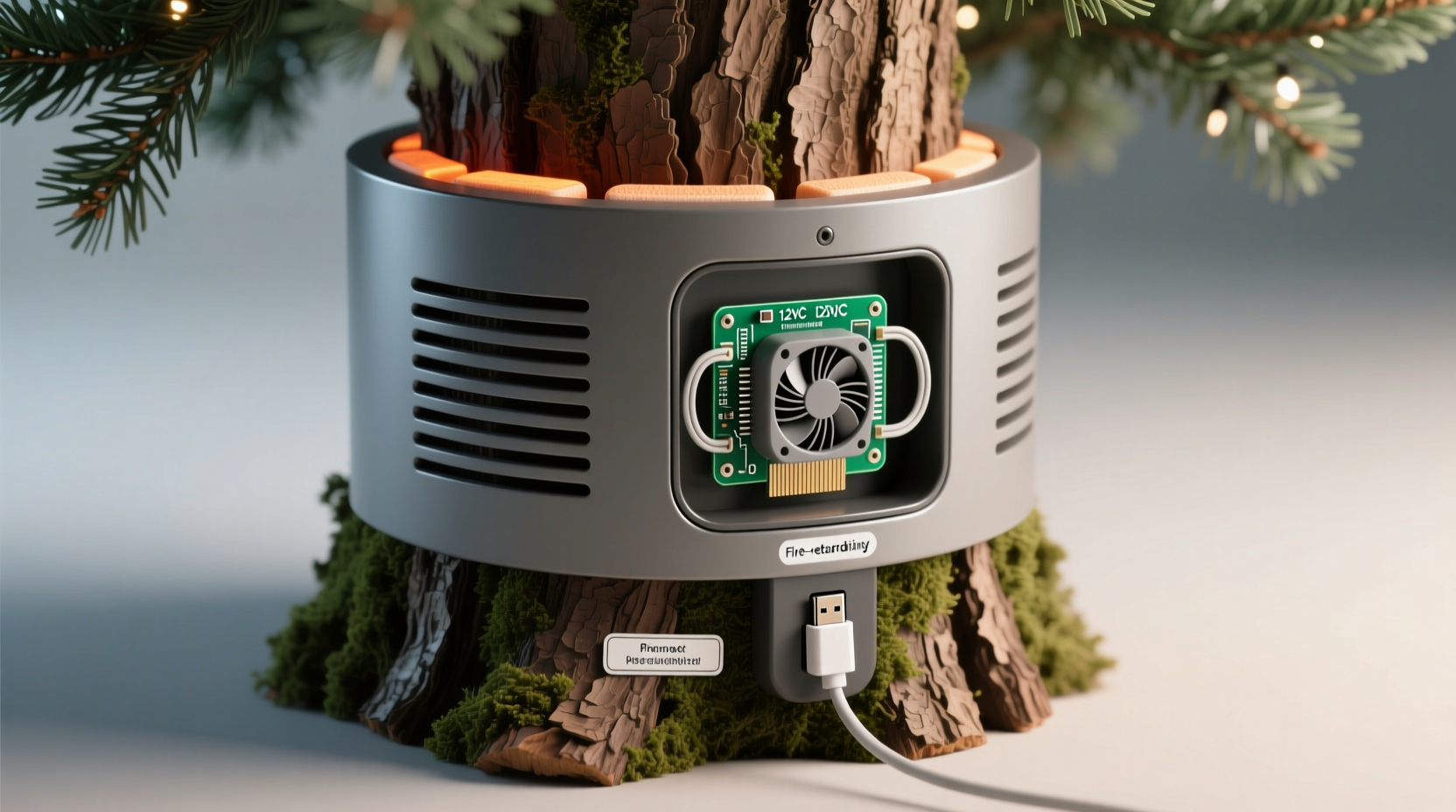
The desire to hide light controllers stems from more than just appearance. Exposed electronics are vulnerable to pets, children, accidental tugs, and dust accumulation. A clean, minimalist look also complements modern interior design trends where visible wires disrupt visual harmony.
However, improper concealment introduces hazards. Electronics generate heat, especially when enclosed. Trapped heat can degrade insulation, shorten component lifespan, or in extreme cases, ignite nearby flammable materials such as dry foliage or fabric skirts. Additionally, sealing off access means you can’t easily reset lights, replace fuses, or unplug during storms or vacations.
“Any electrical device needs airflow. Enclosing a power supply or controller without planning for ventilation is asking for trouble.” — Daniel Reeves, Electrical Safety Inspector, NFPA-Certified
The goal isn’t just invisibility—it's smart integration. The best solutions balance discretion with serviceability and thermal management.
Step-by-Step: How to Safely Conceal Light Controllers Inside the Tree Trunk
Follow this structured approach to install your light controller within the tree trunk while minimizing risk and maximizing accessibility.
- Choose the Right Controller Type
Select low-heat models. Opt for UL-listed LED-compatible controllers with built-in thermal protection. Avoid older dimmer switches or analog timers that run hot. - Inspect Your Tree’s Interior Structure
Examine the central pole or trunk cavity. Most pre-lit artificial trees have hollow metal or plastic cores. Confirm there’s enough space (minimum 3–4 inches diameter) to accommodate the controller without compression. - Plan Access and Ventilation Points
Mark two zones: one near the base for cable entry/exit, and another slightly higher for passive air circulation. Use a small drill or rotary tool to create discreet vent holes (¼ inch, 2–3 per side), positioned opposite each other to encourage airflow. - Secure the Controller with Non-Conductive Mounts
Use zip ties routed through pre-drilled slots or attach with Velcro strips anchored to the inner wall. Never use metal fasteners that could short-circuit components. Ensure the unit sits level and isn’t resting directly on carpet or flammable surfaces beneath the tree. - Route Cords Strategically
Feed the input cord (from wall outlet) and output strand (to lights) through separate openings at the base. Keep bends gradual to prevent wire fatigue. If possible, route through the floor stand opening so they exit behind the tree. - Test Before Finalizing
Power on the system for at least 30 minutes. Touch the controller casing—if it feels warm but not hot (above 115°F / 46°C), conditions are acceptable. Use an infrared thermometer if available. - Create a Service Flap or Access Panel
Cut a removable section in the outer foliage sleeve (if present) or use a magnetic fabric patch over the vent zone. Label it subtly so family members know where to check if lights fail.
Do’s and Don’ts: Best Practices Table
| Do | Don’t |
|---|---|
| Use LED-specific controllers rated for continuous duty | Enclose non-UL listed or homemade adapters |
| Leave 1–2 inches of clearance around the device for airflow | Pack insulation or foam around the unit |
| Install a surge protector on the main line | Plug high-wattage items into the same circuit |
| Add a timer to reduce runtime and heat buildup | Run lights unattended for more than 12 hours continuously |
| Label all connections clearly | Block access ports or fuse compartments |
Real Example: A Family’s Near-Miss and Fix
The Thompson family in Portland, Oregon, installed their new 7.5-foot pre-lit tree in 2023 with the intention of hiding everything—including the bulky digital controller. They wrapped it in aluminum foil (thinking it would reflect heat) and stuffed it deep into the trunk, covering the top with synthetic bark material.
By day three, a faint burning smell emerged. Their son noticed the base was unusually warm. Upon inspection, they found melted insulation on one wire lead and discoloration on the controller casing. They unplugged immediately and contacted an electrician.
The fix? The technician removed the foil (a conductor, not insulator), relocated the controller lower in the trunk with added vents, replaced damaged wiring, and recommended a remote-mount junction box outside the tree but hidden under the skirt. Since then, the tree has operated safely for two seasons.
This case illustrates how good intentions, combined with misinformation, can create danger—and why understanding heat dissipation matters.
Alternative Solutions When Internal Trunk Space Is Limited
Not all trees offer sufficient internal volume. In such cases, consider these alternatives that maintain the illusion of invisibility without compromising safety:
- Floor Stand Integration: Some metal stands have hollow centers. Place the controller inside the stand base, feeding wires up through the central pole. Ensure the stand is on a non-flammable surface and allow top ventilation.
- Skirt Pocket Design: Sew or purchase a decorative tree skirt with an interior zippered pocket on the backside. Store the controller there, keeping it flat against the floor for stability and airflow.
- Remote Relay Box: Install a small weatherproof enclosure behind the tree (against the wall), connected via low-voltage wiring. Control it wirelessly via smartphone or RF remote. Keeps heat-generating parts fully accessible.
- Magnetic Wall Mount: Attach a thin steel plate behind the tree decor. Use a magnetic holder to keep the controller clipped to it, hidden from view but seconds away for adjustments.
Checklist: Pre-Installation Safety & Setup
Before placing any controller inside your tree, verify the following:
- ✅ Controller is UL-certified and designed for indoor use
- ✅ Total wattage of connected lights does not exceed controller capacity
- ✅ Tree stand location allows for cord reach without extension leads (or uses a heavy-duty extension if necessary)
- ✅ Ventilation holes are drilled and unobstructed
- ✅ No sharp edges inside the trunk that could damage wires
- ✅ A fire extinguisher is within reach (recommended for all holiday setups)
- ✅ Someone in the household knows how to quickly disconnect power
FAQ: Common Questions About Hidden Tree Lighting Controls
Can I use a plastic project box inside the tree trunk?
Yes, but only if it’s modified for ventilation. Standard plastic enclosures trap heat. Drill multiple ¼-inch holes on opposing sides and leave the lid slightly ajar or secured with removable clips. Use only for low-power devices under 20W.
Is it safe to hide multiple controllers together?
Generally not advisable. Grouping several units increases heat density and failure risk. If required, stagger them vertically within the trunk with at least 6 inches between each, and double the number of vent holes. Monitor temperature closely during initial operation.
How often should I inspect a concealed controller?
Check at least once every 72 hours during active display periods. Look for warmth, odor, flickering lights, or discoloration. Perform a full disconnect and visual inspection mid-season and again before storage.
Final Thoughts: Safety First, Magic Second
Hiding light controllers inside a Christmas tree trunk is entirely feasible—but only when approached with technical awareness and caution. The holidays should bring joy, not electrical emergencies. By respecting heat thresholds, preserving access, and choosing the right tools, you can enjoy a seamless, elegant display that lasts the entire season without incident.
Modern lighting technology gives us incredible flexibility, but it doesn't eliminate physics. Airflow, material compatibility, and proper load management remain non-negotiable. Whether you're decorating a modest tabletop tree or a grand foyer centerpiece, the principles are the same: plan ahead, test thoroughly, and never sacrifice safety for aesthetics.




 浙公网安备
33010002000092号
浙公网安备
33010002000092号 浙B2-20120091-4
Comments
No comments yet. Why don't you start the discussion?