
As holiday decorations grow more elaborate, so does the need for reliable power sources. From animated reindeer and synchronized light shows to indoor projectors and motorized displays, modern Christmas setups often rely on multiple gadgets plugged into several power strips. While these devices bring festive cheer, their tangled cords and bulky outlets can disrupt your decor’s visual harmony. The challenge isn’t just about aesthetics—it’s also about safety, accessibility, and long-term usability. Fortunately, with thoughtful planning and clever solutions, you can conceal power strips seamlessly while maintaining functionality and peace of mind.
Why hiding power strips matters beyond appearance
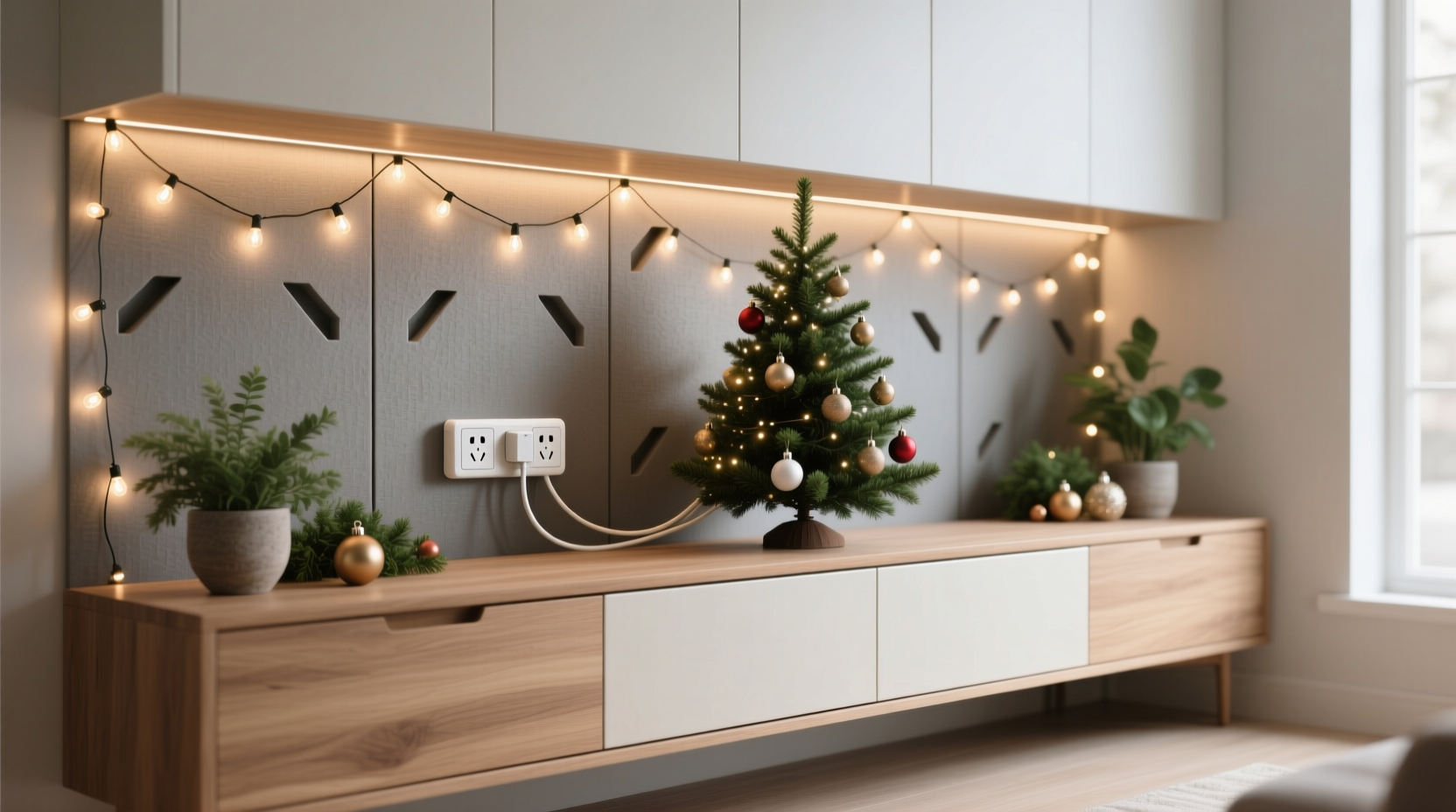
A cluttered power strip setup doesn’t just look unattractive—it can pose tripping hazards, increase fire risk due to poor ventilation, and make troubleshooting difficult during malfunctions. According to the National Fire Protection Association (NFPA), electrical distribution and lighting equipment are involved in an estimated 34,000 home structure fires annually, many linked to improper use of extension cords and overloaded power strips. During the holidays, when decorative lighting usage spikes, the risks multiply.
Properly managing and concealing power strips reduces visual chaos, protects cords from damage, and ensures better airflow around electrical components. It also makes seasonal takedown easier and preserves the integrity of both your decor and your home’s interior design.
Creative methods to conceal power strips indoors
Inside the home, where decor blends with daily living spaces, discreet power management is essential. Here are practical, tested techniques:
1. Use furniture as natural barriers
Position power strips behind sofas, entertainment centers, or side tables. Run cords along baseboards using cord clips or raceways painted to match the wall. For tree lights, place the power strip underneath the tree skirt—just ensure it's not compressed or covered by fabric.
2. Install cord covers and paintable raceways
Adhesive-mounted cord covers adhere to walls or floors and allow multiple cords to be bundled neatly inside a low-profile channel. These can be painted to blend with baseboards or flooring. They’re especially useful when running power from outlets across rooms to central decoration zones.
3. Repurpose decorative boxes or baskets
Place a power strip inside a ventilated wicker basket or a hollow ottoman with access holes drilled for cords. Choose non-flammable materials and leave at least two inches of space around the unit for cooling. Label each cord with tags or colored tape to simplify identification later.
4. Utilize under-cabinet or toe-kick outlets
If decorating kitchens or built-in areas, consider installing outlet extenders or relocating power strips into lower cabinetry. Toe-kick spaces under cabinets provide concealed access points ideal for powering village displays or kitchen light garlands.
5. Integrate into themed display elements
For model train sets or miniature winter villages, use faux wooden crates or plastic storage containers painted to resemble log cabins. Cut entry holes in the back, place the power strip inside, and route cords through the rear. This turns utility into part of the scene.
“Electrical safety should never be compromised for aesthetics. Concealment is effective only when ventilation and accessibility are preserved.” — Daniel Reyes, Certified Electrician and Home Safety Consultant
Outdoor strategies for invisible power management
Outdoor Christmas displays often involve longer cord runs, exposure to weather, and greater visibility. Managing power strips outside requires durability and weather resistance.
Elevate and enclose safely
Use a lockable, weatherproof electrical enclosure mounted on a post, deck railing, or garage wall. These plastic NEMA-rated boxes protect against moisture and tampering while allowing organized access. Place the power strip inside with all plugs facing forward for easy monitoring.
Bury conduit for permanent-looking runs
For recurring annual displays, install underground PVC conduit from an exterior GFCI outlet to your display zone. Feed extension cords through the conduit and terminate at a second weatherproof box. This eliminates surface tripping hazards and gives a clean, professional appearance.
Camouflage with landscaping
Strategically position shrubs, potted evergreens, or faux rock covers around outdoor power hubs. Ensure at least six inches of clearance on all sides and avoid trapping moisture. Fake boulders designed for sprinkler systems work well as dual-purpose concealers.
Step-by-step guide: Organizing and hiding your holiday power setup
Follow this sequence before decorating to ensure a clean, functional system:
- Map your layout: Sketch where each gadget will go and identify the nearest outlets. Note distances to determine cord lengths needed.
- Select appropriate power strips: Use heavy-duty, UL-listed strips with individual switches and surge protection. Avoid daisy-chaining more than two strips together.
- Group by circuit: Distribute high-draw items (like inflatables or projectors) across different circuits to prevent overloading.
- Route cords strategically: Use adhesive clips, raceways, or buried conduit to direct cords along inconspicuous paths—never across walkways unless protected by a cord ramp.
- Install concealment: Position furniture, enclosures, or decorative covers after confirming all connections work and there’s adequate airflow.
- Label everything: Tag each cord and outlet with a small label indicating its device (e.g., “Front Yard Reindeer” or “Tree Lights Top”). This speeds up troubleshooting and takedown.
- Test and monitor: Turn on the display during daylight to check for flickering or overheating. Reassess placement if any component feels warm after 30 minutes of use.
| Method | Best For | Safety Consideration | Reusability |
|---|---|---|---|
| Furniture Blocking | Indoor trees, mantel displays | Ensure no weight on strip; allow airflow | High – reusable yearly |
| Paintable Cord Raceway | Wall-to-tree or floor runs | Keep away from heat sources | Very High – permanent install option |
| Decorative Basket Cover | Living room groupings | Must be ventilated; non-flammable material | High – store off-season |
| Weatherproof Enclosure | Outdoor inflatables, driveway displays | GFCI required; elevate off ground | Very High – durable for years |
| Buried Conduit System | Permanent yard installations | Must meet local code; use UF-rated wire | Extreme – semi-permanent infrastructure |
Real-world example: A suburban family’s clutter-free Christmas
The Thompsons in Portland, Oregon, transformed their front yard display from chaotic to cohesive by rethinking their power strategy. Previously, they strung five separate cords across the lawn to power an inflatable sleigh, light-up candy canes, and a rotating star. Cords were taped to sidewalks, and the main power strip sat exposed under a bush, often wet after rain.
This year, they installed a ¾-inch PVC conduit from their garage exterior outlet to a flower bed near the curb. They fed three heavy-duty cords through it and terminated them in a locked, weather-resistant junction box painted forest green. Inside, a single eight-outlet outdoor power strip with individual switches powers all gadgets. The box sits slightly above soil level on a concrete pad, surrounded by artificial ivy tucked into a wire mesh frame—making it nearly invisible from the street.
Result: No tripping hazards, improved safety, faster setup, and a polished look that neighbors have complimented. They estimate they saved two hours during installation compared to previous years thanks to pre-planned routing and labeling.
Checklist: Pre-decorating power organization
- ☐ Inventory all Christmas gadgets requiring power
- ☐ Verify outlet locations and circuit capacities
- ☐ Purchase outdoor-rated power strips and GFCI adapters if needed
- ☐ Measure distances and buy appropriately sized extension cords
- ☐ Plan cord routes avoiding foot traffic and water accumulation
- ☐ Acquire concealment tools: raceways, clips, enclosures, or baskets
- ☐ Label each cord and corresponding device
- ☐ Test all connections before final concealment
- ☐ Schedule mid-season inspection for wear or overheating
- ☐ Create a takedown plan with labeled storage bins
Frequently asked questions
Can I hide a power strip under a rug or carpet?
No. Hiding a power strip under any fabric or flooring material is a serious fire hazard. Power strips generate heat during use, and restricting airflow can lead to overheating, melting, or ignition. Even flame-retardant rugs trap heat and collect dust, increasing risk. Always keep power strips in open, ventilated areas.
Is it safe to use multiple power strips on one outlet?
Only if done carefully. Plugging multiple strips into a single outlet—known as “daisy chaining”—is discouraged because it can overload the circuit. Most household circuits support 15–20 amps. Calculate your total load: for example, a 100-bulb LED string uses about 0.3 amps; a 6-foot inflatable may draw 3–5 amps. Stay below 80% of the circuit’s capacity (12 amps for a 15-amp circuit). Use a power meter to monitor actual draw.
What’s the best way to store hidden power setups for next year?
After takedown, clean each power strip and inspect for frayed wires or loose plugs. Store in a labeled, ventilated plastic bin with silica gel packs to prevent moisture buildup. Keep cords loosely coiled—never tightly wrapped—to avoid internal wire stress. Include a printed diagram of your setup for quick reference next season.
Final thoughts: Beauty meets function in holiday decor
Hiding power strips isn’t about deception—it’s about intentionality. The most enchanting holiday displays are those where technology fades into the background, letting magic take center stage. By integrating smart concealment practices, you preserve both the wonder of the season and the safety of your home. Whether you’re illuminating a mantle or orchestrating a block-wide light show, thoughtful power management ensures your creativity shines without compromise.




 浙公网安备
33010002000092号
浙公网安备
33010002000092号 浙B2-20120091-4
Comments
No comments yet. Why don't you start the discussion?