
When holiday lights take over a home’s exterior or interior, the magic can quickly fade under a tangled mess of cords and exposed power strips. Running dozens of Christmas light strands often means multiple extension cords, surge protectors, and daisy-chained outlets—all necessary but visually disruptive. The solution isn’t to compromise brightness for neatness, but to strategically conceal the infrastructure that powers your festive display. With careful planning and a few clever tricks, you can maintain both safety and aesthetics while hiding power strips in plain sight—or out of it entirely.
Why Hiding Power Strips Matters
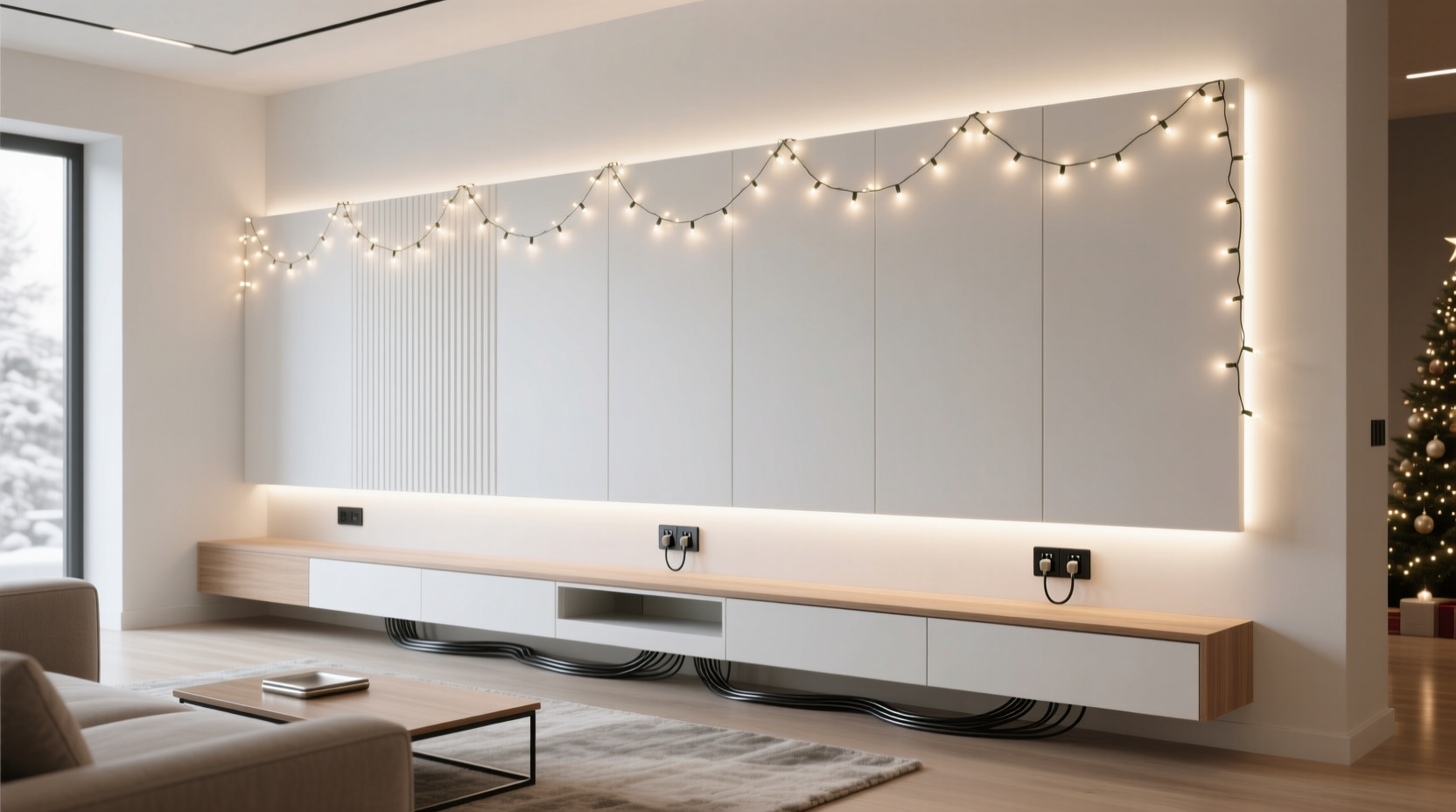
A well-lit home during the holidays draws admiration, but visible power strips and cord clusters can detract from even the most thoughtfully designed setup. Beyond appearance, exposed electrical components pose tripping hazards, increase exposure to moisture, and attract pests. Proper concealment protects equipment, reduces wear, and maintains a clean, professional look—whether you're decorating a residential porch or managing a commercial display.
More importantly, hiding power strips doesn’t mean burying them haphazardly under mulch or stuffing them into sealed enclosures. It means integrating them into your environment using safe, accessible, and weather-appropriate methods. Done right, no one will suspect that behind your glowing rooftop snowflakes lies a network of 15 connected strands—all powered by a single, neatly tucked-away hub.
Strategic Placement: Choosing the Right Hiding Spots
The first step in concealing power strips is selecting optimal locations. These spots should balance accessibility, protection, and proximity to both outlets and light runs. Consider these common zones:
- Under eaves or soffits: Ideal for exterior setups. Provides overhead cover from rain and snow while remaining reachable via ladder.
- Inside utility closets or storage cabinets: Perfect for indoor displays. Keeps strips dry and organized.
- Behind decorative planters or outdoor furniture: Offers natural camouflage without blocking ventilation.
- Along fence bases or deck rails: Allows discreet routing of cords along existing structures.
- Inside false-bottomed mailboxes or landscape boxes: Creative solutions for those who want total invisibility.
Case Study: The Suburban Rooftop Display
Mark, a homeowner in Portland, Oregon, installed over 40 strands of LED Christmas lights across his two-story home. Initially, he grouped all power strips near an exterior outlet beside the front door. The result? A web of cords snaking across the walkway and a cluster of black plastic boxes ruining the curb appeal.
After researching concealment techniques, Mark re-routed everything. He moved the primary power hub to a junction point under the back eave, accessed only from the garage side. He used flexible conduit to run cords along roofline channels and painted PVC tubing to match the siding. By centralizing connections in a ventilated, shaded spot and using paintable enclosures, he reduced visible hardware by 90%. Neighbors assumed he had hardwired lighting—when in fact, every strand remained plug-and-play.
Step-by-Step Guide: Concealing Power Strips Safely
Follow this sequence to hide your power strips effectively while maintaining functionality and safety:
- Map Your Light Layout: Sketch where each strand begins and ends. Identify the shortest path from lights to a power source.
- Group by Zone: Divide strands into sections (e.g., roof, trees, porch). Assign one power strip per zone to minimize cord sprawl.
- Select Weatherproof Enclosures: Use NEMA-rated electrical boxes (such as NEMA 3R) for outdoor use. These resist rain, dust, and temperature extremes.
- Elevate Off Ground: Mount strips on wooden blocks, brackets, or stands to avoid pooling water and debris accumulation.
- Route Cords Strategically: Run cords behind downspouts, under mulch (only if rated for burial), or inside paintable PVC conduit.
- Label Each Strip: Use colored tags or masking tape to mark which strip powers which section—simplifies troubleshooting.
- Test Before Finalizing: Plug in all lights and verify voltage drop isn’t affecting performance before sealing any enclosure.
- Secure Access Points: If placing strips in cabinets or boxes, ensure lids open easily for maintenance without disconnecting wires.
Best Materials and Tools for Concealment
The right materials make the difference between a temporary fix and a long-term solution. Below is a comparison of popular concealment options:
| Material | Best For | Pros | Cons |
|---|---|---|---|
| NEMA 3R Enclosure | Outdoor permanent setups | Weatherproof, lockable, durable | Bulkier, requires drilling/mounting |
| PVC Conduit (Schedule 40) | Routing cords along walls/fences | Cheap, paintable, UV-resistant | Must be glued; rigid once installed |
| Flexible Rubber Cord Cover | Indoor baseboards or floor transitions | Easy install, adhesive-backed | Not waterproof; less durable outdoors |
| False-Bottom Planter Box | Decorative outdoor concealment | Blends naturally, reusable | Limited space; needs drainage planning |
| Magnetic Cable Clips | Garage or metal surface routing | Reusable, tool-free, strong hold | Only works on ferrous metals |
For best results, combine multiple materials. For example, route cords through PVC conduit from the house to a tree, then terminate in a camouflaged planter box housing the power strip. This layered approach maximizes both safety and stealth.
“Proper concealment isn’t about hiding electricity—it’s about integrating it seamlessly into your environment.” — David Lin, Residential Lighting Designer & Member of IALD
Common Mistakes to Avoid
Even experienced decorators fall into traps that compromise safety or longevity. Steer clear of these pitfalls:
- Daisy-chaining too many strips: Connecting more than three power strips together increases fire risk and violates most manufacturer warranties.
- Sealing strips in airtight containers: Trapped heat can damage components and reduce lifespan. Always allow airflow.
- Burying non-burial-rated cords: Standard extension cords aren’t designed for underground use and may short or degrade.
- Ignoring voltage drop: Long runs of lights on undersized cords dim over distance. Use thicker gauge wire (12 or 14 AWG) for long circuits.
- Forgetting GFCI protection: Outdoor circuits must be on GFCI outlets to prevent shock hazards in wet conditions.
Smart Power Management: Reduce Clutter at the Source
One of the most effective ways to hide fewer power strips is to need fewer power strips. Modern solutions help consolidate connections:
- Smart Power Hubs: Devices like the BTF-Lighting 8-Outlet Controller allow centralized control of multiple strands via Wi-Fi or remote. Fewer physical switches mean cleaner setups.
- LED Light Trees with Built-In Wiring: Some pre-lit trees and wreaths have internal power distribution, reducing external strip reliance.
- Solar-Powered String Lights: For low-voltage accent lighting, solar eliminates the need for grid-powered strips altogether.
- Timers and Relays: Automate shutdowns to reduce runtime and heat buildup, extending life and lowering fire risk.
By investing in integrated systems, you not only reduce visual clutter but also gain greater control over energy usage and scheduling.
Checklist: How to Hide Power Strips Like a Pro
Use this checklist before finalizing your holiday lighting setup:
- ✅ Map all light strand endpoints and group by zone
- ✅ Choose weatherproof, ventilated enclosures for outdoor use
- ✅ Elevate power strips off ground or wet surfaces
- ✅ Route cords through conduit, behind trim, or under landscaping
- ✅ Label each outlet or cord for easy identification
- ✅ Ensure all outdoor circuits are GFCI-protected
- ✅ Avoid daisy-chaining more than three strips
- ✅ Leave service loops (extra cord length) for future adjustments
- ✅ Test all connections before closing enclosures
- ✅ Schedule monthly checks during the season
Frequently Asked Questions
Can I paint a plastic power strip enclosure to match my house?
Yes, but only if it's made of paintable material like ABS plastic. Clean the surface with rubbing alcohol, apply a plastic primer, then use exterior-grade spray paint. Avoid covering vents or labels.
Is it safe to put a power strip in a flowerpot?
Only if the pot has proper drainage, is elevated off the ground, and allows airflow. Line the inside with a waterproof plastic liner, drill small vent holes near the top, and never pack soil around the unit. Treat it as a decorative shell, not a planter.
How do I prevent animals from chewing on hidden cords?
Wrap cords in spiral wrap tubing or conduit. Apply pet-deterrent sprays (non-toxic) near access points. For underground runs, use metal-clad (MC) cable or bury in rigid conduit. Rodents avoid chewing hard materials.
Final Thoughts: Beauty Meets Functionality
Hiding power strips when running dozens of Christmas light strands isn’t just about tidiness—it’s about creating a seamless experience where technology supports artistry without overshadowing it. The goal is not to eliminate the tools that make your display possible, but to integrate them so thoughtfully that they become invisible.
From strategic placement under eaves to using smart hubs and weatherproof enclosures, every decision contributes to a safer, cleaner, and more impressive result. Whether you’re illuminating a modest porch or orchestrating a neighborhood-favorite spectacle, taking the time to conceal your power infrastructure pays off in durability, safety, and visual impact.




 浙公网安备
33010002000092号
浙公网安备
33010002000092号 浙B2-20120091-4
Comments
No comments yet. Why don't you start the discussion?