
Outdoor Christmas lighting transforms homes into festive landmarks during the holiday season. But with dozens of extension cords and multiple power strips comes a cluttered, potentially hazardous setup. Exposed power strips not only detract from the visual appeal of your display—they can also pose tripping hazards, water exposure risks, and attract unwanted attention from pests or vandals. The solution isn’t to scale back your lights, but to conceal the infrastructure wisely. With thoughtful planning and practical techniques, you can maintain a dazzling show while keeping power strips safely out of sight.
Why Hiding Power Strips Matters Beyond Aesthetics
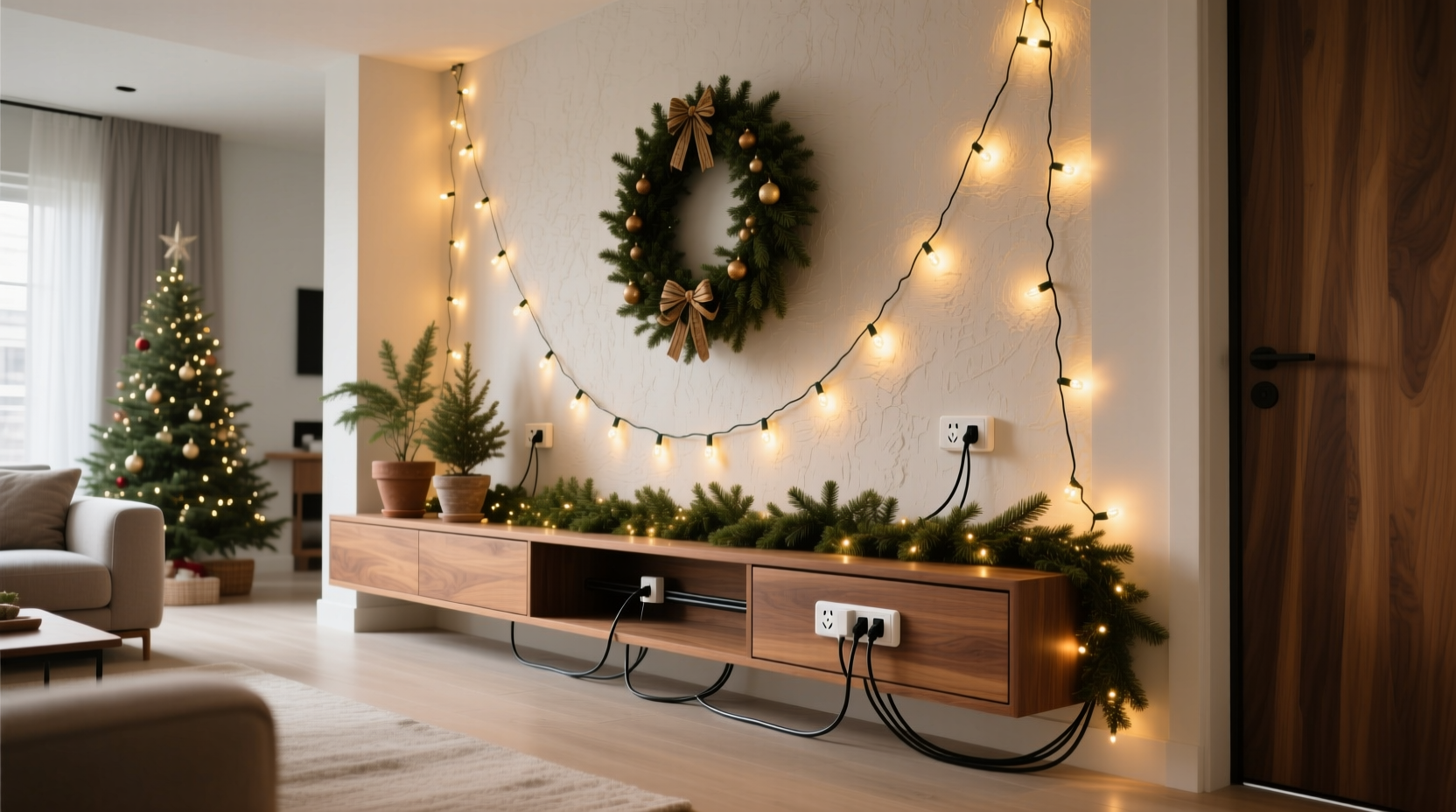
Many homeowners focus on hiding power strips purely for cosmetic reasons, but the benefits go far beyond clean visuals. Proper concealment enhances safety, prolongs equipment life, and improves maintenance access. Outdoor electrical setups are exposed to rain, snow, rodents, and temperature swings. An exposed power strip under eaves or near shrubbery may seem harmless until moisture seeps in, causing short circuits or ground faults.
According to the National Fire Protection Association (NFPA), decorative lighting accounts for an estimated 790 home fires annually, many linked to improper electrical practices like overloaded outlets or unprotected connections. Concealing power strips isn’t just about tidiness—it’s a critical layer of fire prevention and electrical safety.
“Properly enclosed and elevated power distribution points significantly reduce the risk of weather-related failures and accidental contact.” — Carlos Mendez, Residential Electrical Safety Consultant
Step-by-Step: How to Strategically Conceal Power Strips Outdoors
The key to successful concealment lies in preparation, placement, and protection. Follow this timeline-based guide to organize your outdoor lighting power system efficiently and discreetly.
- Map Your Lighting Zones (Before Installation)
Create a rough sketch of your home’s exterior, marking where lights will be installed. Group zones by proximity—roofline, porch, trees, walkways. This helps determine how many power strips you’ll need and where to place them. - Select Weatherproof Power Strips with GFCI Protection
Use outdoor-rated power strips with built-in GFCI (Ground Fault Circuit Interrupter) and individual outlet covers. These are essential for wet conditions and often come in low-profile designs that are easier to conceal. - Determine Centralized Distribution Points
Instead of scattering multiple strips across the yard, consolidate them into one or two central hubs. Ideal locations include:- Side of the house under eaves
- Inside a covered porch column
- Near an exterior outlet box
- Within a locked utility enclosure
- Elevate and Enclose the Strip
Mount the power strip at least 12 inches off the ground using UV-resistant mounting brackets. Place it inside a weatherproof electrical enclosure box rated NEMA 3R or higher. Drill cord entry holes in the bottom to prevent water pooling. - Route Cords Neatly to Minimize Visibility
Use adhesive cable clips, cord channels, or landscape edging to guide extension cords along baseboards, behind downspouts, or beneath mulch. Avoid running cords across walkways unless protected by rubber cord covers. - Label Each Outlet and Cord
Use colored tags or numbered labels to identify which cord powers which section. This simplifies troubleshooting and ensures quick shutdown if needed. - Inspect Weekly During Display Period
Check for heat buildup, frayed wires, or moisture inside enclosures. Trim nearby foliage that could trap humidity or invite pests.
Creative and Practical Concealment Methods
Not all solutions require expensive gear. Many effective concealment strategies use common household items or inexpensive accessories. Here are five proven methods:
1. Decorative Enclosure Boxes
Purchase or build a small wooden or plastic box painted to match your home’s exterior. Cut slots for cords and mount it on siding or fence posts. Add ventilation holes near the top and line the interior with non-conductive foam padding. This mimics a mailbox or planter but houses your power strip securely.
2. Behind Foliage or Landscaping Features
Position enclosures behind evergreen shrubs, ornamental grasses, or garden rocks. Ensure at least six inches of clearance around the box for airflow and access. Avoid dense ivy or vines that retain moisture and attract rodents.
3. Under Deck or Porch Overhangs
If you have a raised deck or covered entryway, install a ceiling-mounted NEMA box underneath. This keeps the unit dry and hidden from street view. Use magnetic or clip-on LED task lights inside the box for nighttime maintenance visibility.
4. In Repurposed Furniture or Planters
Old cabinets, lockable garden storage boxes, or faux stone planters can double as power stations. Remove soil from planters and install a false bottom shelf to elevate the strip. Drill drainage holes and add silica gel packs to control humidity.
5. Along Downspouts with Cord Wraps
Wrap cords spirally around downspouts using vinyl-covered cable ties. Install a compact power strip inside a junction box mounted beside the drainpipe. Route primary feeder lines up through the soffit to rooftop lights, minimizing visible cord runs.
| Method | Best For | Visibility Level | Maintenance Access |
|---|---|---|---|
| Weatherproof Enclosure Box | All climates, multi-strip setups | Low | Easy (latch or screw-top) |
| Foliage Concealment | Landscaped yards, seasonal use | Very Low | Moderate (trimming required) |
| Under-Deck Mounting | Homes with porches or elevated entries | Low to None | Good |
| Planter or Cabinet Hack | Urban homes, limited wall space | Moderate (if poorly disguised) | Variable |
| Downspout Routing | Vertical lighting runs (e.g., rooflines) | Low | Excellent |
Checklist: Pre-Installation Safety & Concealment Plan
Before plugging in a single strand of lights, complete this checklist to ensure your power strip setup is safe, efficient, and hidden effectively:
- ☐ Confirm total wattage of all connected lights is below the power strip’s maximum load (usually 1875W for 15A strips)
- ☐ Use only UL-listed, outdoor-rated power strips and extension cords
- ☐ Choose a centralized location within 25 feet of the main outlet to avoid excessive voltage drop
- ☐ Install the strip in a NEMA-rated enclosure with drainage and ventilation
- ☐ Elevate the enclosure at least 12 inches above ground level
- ☐ Seal cord entry points with silicone caulk or rubber grommets
- ☐ Label each outlet and corresponding light zone
- ☐ Test GFCI functionality weekly using the test/reset buttons
- ☐ Keep a printed wiring diagram stored indoors for reference
- ☐ Schedule a mid-season inspection for wear, corrosion, or pest activity
Mini Case Study: The Downtown Victorian Home Makeover
A homeowner in Portland, Oregon, transformed their historic Victorian into a neighborhood holiday attraction with over 12,000 LED lights. Initially, they used four power strips scattered across the front yard, tucked loosely under potted plants. Within a week, one failed due to rainwater infiltration, and a squirrel chewed through a cord, causing a partial outage.
After consulting an electrician, they redesigned the system: installing a single locked NEMA 3R enclosure on the side of the house, fed by a 100-foot, 12-gauge extension cord from an indoor circuit. All outdoor strips were relocated inside the box, labeled, and connected via surge-protected outlets. Cords ran vertically up downspouts and horizontally along fascia boards using paint-matched clips.
The result? Zero electrical issues over a 45-day display period, easier maintenance, and a much cleaner look. Neighbors reported feeling safer walking at night, and the city featured the home in its annual “Safe Lights” campaign.
Common Mistakes to Avoid
Even well-intentioned setups can fail due to overlooked details. Steer clear of these frequent errors:
- Daisy-Chaining Power Strips: Connecting one strip to another increases fire risk and violates most manufacturers’ warranties.
- Using Indoor-Only Strips Outdoors: These lack proper sealing and insulation for moisture and temperature changes.
- Burying Cords in Soil or Mulch Without Protection: Moisture, roots, and pests can degrade insulation. Only use direct-burial rated cables underground.
- Blocking Ventilation in Enclosures: Heat buildup reduces lifespan and can trigger thermal cutoffs.
- Ignoring Local Codes: Some municipalities require permits for large displays or prohibit certain installations near sidewalks.
FAQ: Frequently Asked Questions
Can I leave my concealed power strips outside all winter?
Yes—if they’re housed in a properly rated weatherproof enclosure and checked periodically. However, disassembling after the season extends equipment life. Store strips in a dry garage or basement to prevent long-term UV and moisture exposure.
Is it safe to use a smart power strip outdoors?
Only if the smart strip is explicitly rated for outdoor use and placed inside a protective enclosure. Wi-Fi modules are sensitive to cold and condensation. Consider using a smart plug indoors to control a hardwired outdoor hub instead.
How do I prevent animals from chewing on cords?
Use conduit or spiral wrap (like WireLoom) on exposed sections. Apply rodent-deterrent sprays (pet-safe formulas) around enclosures. Avoid placing food sources or nesting materials nearby. Some homeowners install motion-activated sprinklers near vulnerable zones.
Final Thoughts: A Hidden System Is a Smarter, Safer System
A stunning Christmas light display should captivate—not expose the scaffolding behind it. By treating your power strips with the same care as your decorations, you protect your investment, enhance safety, and preserve the magic of the season. The effort spent concealing cords and enclosures pays off in fewer malfunctions, easier maintenance, and a polished appearance that impresses neighbors and passersby alike.
Remember: the goal isn’t invisibility at any cost, but intelligent integration. Every zip tie, enclosure, and label contributes to a system that’s as reliable as it is radiant.




 浙公网安备
33010002000092号
浙公网安备
33010002000092号 浙B2-20120091-4
Comments
No comments yet. Why don't you start the discussion?