
As holiday lights twinkle and familiar carols fill the air, many homeowners turn to smart speakers and multi-room audio systems to create a festive atmosphere. But while wireless technology has advanced significantly, most high-quality speaker setups still rely on physical wiring for optimal performance. Exposed cords can disrupt the visual harmony of your decor, especially during a season defined by elegance and charm. The good news? You don’t have to choose between great sound and a clean aesthetic. With thoughtful planning and a few clever techniques, you can seamlessly integrate speaker wires into your space—keeping them hidden, safe, and out of sight while enjoying seamless holiday music playback.
Why Wire Management Matters During the Holidays
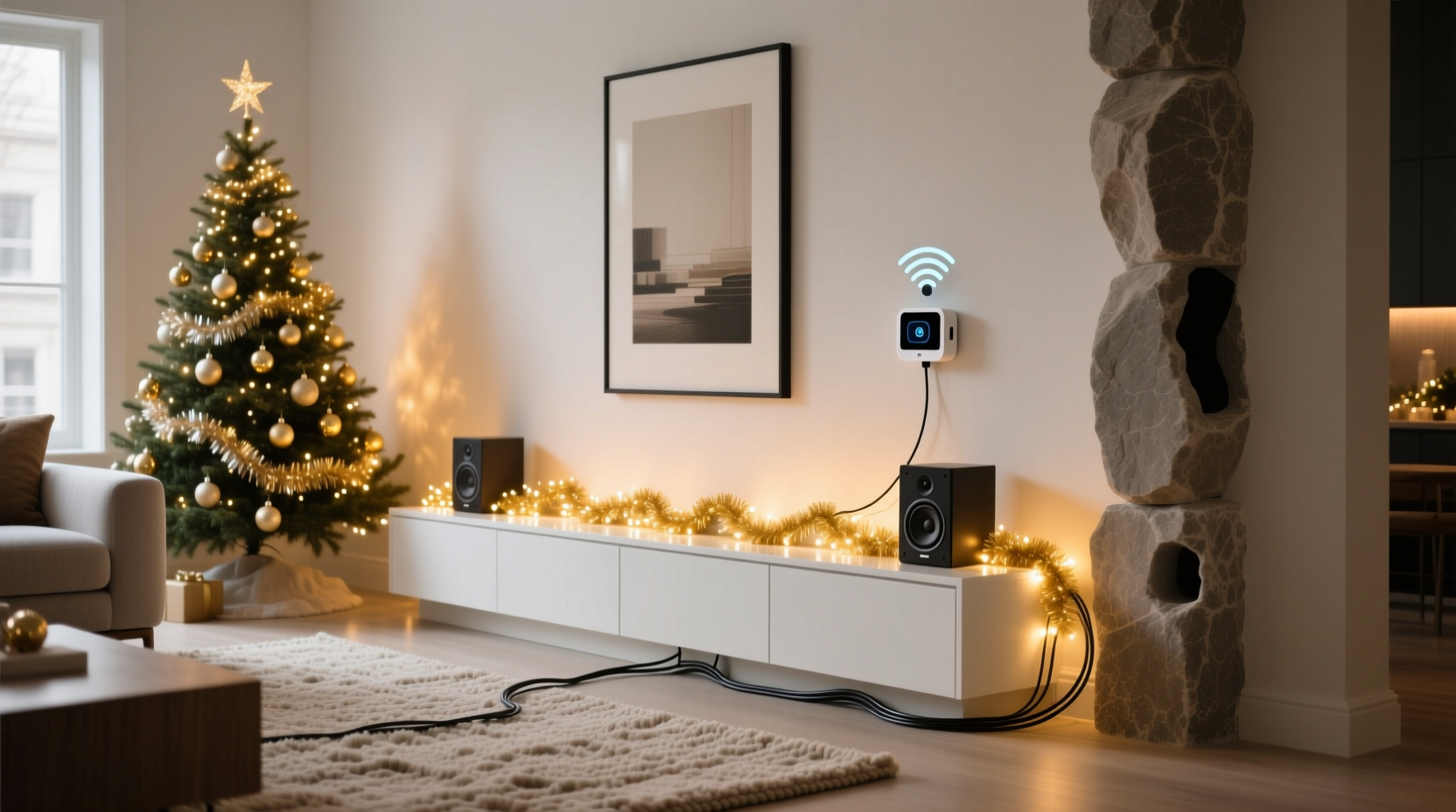
The holiday season brings increased foot traffic, curious children, and pets exploring decorated spaces. Loose speaker wires not only detract from your carefully curated ambiance but also pose tripping hazards and potential damage to equipment. More importantly, visible cables can undermine the immersive experience of holiday music flowing effortlessly through your home. Smart home systems like Sonos, Google Nest Audio, Amazon Echo, and Apple HomePod offer robust integration for seasonal playlists, but their auxiliary components often require power and Ethernet connections that need managing.
Proper wire concealment supports both functionality and design. A well-hidden setup allows guests to focus on the warmth of the music—not the clutter behind the scenes. It also protects your investment: damaged wires mean interrupted playbacks, inconsistent volume, or even complete system failure mid-playlist.
Step-by-Step Guide to Hiding Speaker Wires Safely
Hiding wires isn’t just about tucking them under rugs. Done poorly, it can lead to fire risks, signal interference, or difficulty troubleshooting later. Follow this logical sequence to ensure safety, accessibility, and invisibility.
- Map Your System Layout: Sketch a rough floor plan showing where each speaker will go and how they connect—either via Wi-Fi, Bluetooth, or wired backhaul (like Ethernet). Identify central hubs such as routers, AV receivers, or power sources.
- Determine Cable Types: Note whether you’re dealing with low-voltage audio cables, standard electrical cords, or network cables. This affects routing options and safety requirements.
- Choose Concealment Method Based on Room Type: Different rooms call for different solutions. Baseboards work in living areas; ceiling coves help in vaulted halls; under-floor paths suit open-concept homes.
- Route Cables Along Natural Lines: Use baseboards, door frames, crown molding, or furniture edges as guides. These architectural features naturally draw the eye away from transitions.
- Secure Without Damage: Use adhesive clips, raceways, or cord covers instead of nails or tape that could damage walls or floors.
- Test Before Finalizing: Play music across all zones to confirm uninterrupted streaming before fully concealing any section.
- Label Connections: Attach small tags or use colored tape to mark cables at both ends. This saves time if maintenance is needed later.
Effective Methods for Concealing Wires by Location
No two homes are alike, so flexibility is key. Below are proven strategies tailored to common household layouts and decorative styles.
Along Walls and Baseboards
Wall-mounted raceways are one of the most reliable solutions. These flat, paintable channels adhere to surfaces and enclose multiple wires neatly. Choose white or off-white models to blend with trim, or paint them to match your wall color.
- Use double-sided mounting tape rated for heavy loads.
- Run wires vertically near corners to minimize visibility.
- For permanent installations, consider installing surface-mounted conduit during off-seasons.
Under Carpets and Rugs
This method works best when running wires across large open spaces. Place flat, low-profile cables under area rugs—but never under high-traffic walkways unless protected by a carpet edge guard.
Inside Furniture and Decor
Leverage existing structures: entertainment centers, bookshelves, or side tables can house wires internally. Drill discreet holes in the back panels to feed cables through. Some modern furniture even includes built-in cable management slots.
During the holidays, decorative elements like faux stone columns, Christmas trees with hollow trunks, or tall vases can temporarily camouflage vertical runs.
Through Ceilings and Crown Molding
In homes with accessible attics or drop ceilings, running wires overhead offers nearly invisible results. Feed cables down interior walls to reach speakers mounted high on walls or shelves.
Crown molding with hollow interiors can sometimes accommodate thin wires. Use a flexible fish tape to guide them around corners.
Outdoor and Porch Setups
Many people extend holiday music to patios or front yards using weather-resistant speakers. For outdoor runs, use UV-resistant, jacketed cables and bury them in shallow trenches (6 inches deep) covered with mulch or edging. Alternatively, run them along fence lines inside plastic conduit.
“Holiday audio should feel magical, not mechanical. The best installations are those where the tech disappears entirely.” — Daniel Reeves, Smart Home Integration Specialist, SmartSpaces Inc.
Do’s and Don’ts: A Quick Reference Table
| Do | Don’t |
|---|---|
| Use flat, low-profile cables for easier concealment | Run standard round cords under high-traffic floor areas |
| Label all connections clearly | Tape wires directly to hardwood or tile floors |
| Use paintable cable raceways to match your walls | Overload outlets or daisy-chain extension cords |
| Test full system operation before final concealment | Hide wires behind flammable materials like dry Christmas trees |
| Install surge protectors for all connected devices | Ignore local electrical codes when modifying wiring |
Mini Case Study: The Johnson Family’s Holiday Sound Upgrade
The Johnsons live in a 1920s craftsman-style home with an open-plan living and dining area leading to a screened porch. Each year, they host extended family gatherings and wanted to upgrade from smartphone Bluetooth speakers to a synchronized multi-room system capable of playing classic Christmas albums throughout the house.
They installed four Sonos One speakers: two indoors, one on the porch, and one in the kitchen. The challenge was connecting the porch speaker without creating a tripping hazard across sliding glass doors.
Solution: They used a flat, braided Ethernet cable routed through a narrow gap beneath the door jamb. On the interior side, the cable ran up inside a floor-length curtain panel, secured with discreet Velcro strips. Outside, it traveled along the underside of the porch railing inside a black plastic raceway, painted to resemble wood grain. Power came from a weatherproof outlet with a surge protector.
Result: Music flowed seamlessly from room to porch, with no visible wires. Guests commented on the “effortless” sound, unaware of the careful planning behind it.
Checklist: Pre-Holiday Speaker Wire Prep
Complete this checklist at least one week before setting up decorations:
- ☐ Audit current speaker locations and identify necessary cable lengths
- ☐ Purchase appropriate wire concealment tools (raceways, clips, conduit)
- ☐ Confirm Wi-Fi coverage strength in all intended zones
- ☐ Test smart home voice commands (“Play Christmas music”) across devices
- ☐ Label all cables at both ends
- ☐ Install surge protectors on all relevant circuits
- ☐ Secure loose rugs or mats where cables may pass underneath
- ☐ Verify that emergency shut-offs are accessible despite new setups
Frequently Asked Questions
Can I use wireless adapters to eliminate speaker wires completely?
While some adapters allow traditionally wired speakers to receive audio signals wirelessly, they still require power. So while the audio cable may be eliminated, a power cord remains. True wireless freedom usually requires battery-powered speakers, which may lack the sustained output needed for whole-home holiday music.
Is it safe to run speaker wires behind Christmas trees?
Only if done carefully. Never place wires directly against artificial trees with internal lighting, as heat buildup is a risk. For real trees, avoid any contact with water in the stand. Instead, route cables beside the tree trunk within a decorative sleeve or behind a skirt. Always unplug when leaving the house or sleeping.
What’s the best way to hide wires on hardwood or tile floors?
Use low-profile cord covers designed for hard surfaces. These come in colors matching wood, stone, or gray tones and use strong adhesive backing. Ensure the cover is rated for foot traffic and doesn’t create a slip hazard. Alternatively, route wires along baseboards or under area rugs placed strategically.
Final Thoughts: Creating Magic Without the Mess
The joy of holiday music lies in its ability to evoke memory, warmth, and connection. When your smart home system delivers carols with clarity and consistency, the experience deepens. But that magic shouldn’t come at the cost of tangled wires and compromised safety.
By applying strategic concealment methods—planning ahead, choosing the right tools, and respecting both aesthetics and electrical safety—you preserve the wonder of the season while maintaining a professional-grade setup. Whether you're hosting a cozy family dinner or a lively neighborhood party, let the music speak for itself, not the mess behind it.




 浙公网安备
33010002000092号
浙公网安备
33010002000092号 浙B2-20120091-4
Comments
No comments yet. Why don't you start the discussion?