
The Christmas tree is the centerpiece of most holiday homes—its lights, ornaments, and scent bring warmth and joy throughout the season. Yet, despite its beauty, one part often disrupts the magic: the visible stand and exposed base. A tangled mess of metal, water reservoir, or uneven trunk can detract from an otherwise stunning display. Fortunately, hiding the base doesn’t require elaborate construction or expensive materials. With thoughtful planning and a few clever techniques, you can conceal the foundation so completely that guests won’t suspect anything lies beneath.
This guide explores proven, stylish, and practical methods to disguise the base of your Christmas tree, ensuring it looks as if it sprouted naturally from your living room floor. Whether you're aiming for rustic charm, modern minimalism, or traditional elegance, these solutions blend function with form—keeping safety and accessibility in mind while preserving visual harmony.
Why Hiding the Tree Base Matters
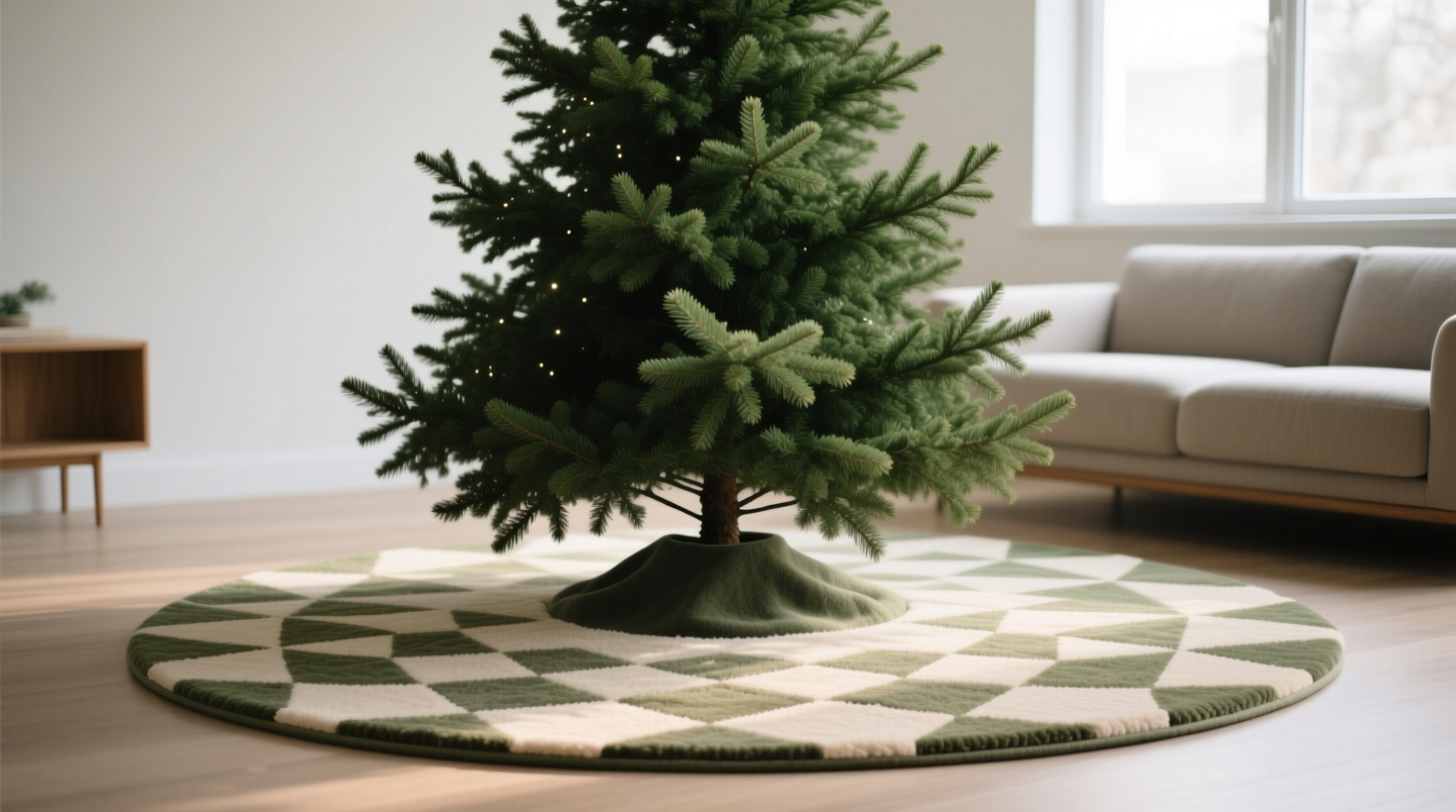
A well-decorated tree deserves a flawless presentation. The base is often at eye level when seated or viewed from across the room, making it a focal point whether intended or not. An exposed stand breaks immersion, reminding viewers of utility over ambiance. More importantly, concealing the base completes the storytelling aspect of holiday decor—it transforms a potted plant into a symbol of winter wonder.
Beyond aesthetics, a covered base can also improve safety. It reduces tripping hazards, keeps pets from drinking stagnant water, and prevents curious hands (especially children) from touching sharp edges on metal stands. A seamless finish also protects flooring from accidental spills or scratches during setup and takedown.
“Presentation is everything in interior design. A hidden tree base isn’t just about covering mechanics—it’s about creating continuity between nature and nurture.” — Clara Bennett, Interior Stylist & Holiday Design Consultant
Step-by-Step Guide to Seamless Base Concealment
Successfully hiding your tree’s base requires more than draping fabric and calling it done. To achieve a polished result, follow this structured approach:
- Assess Your Tree Setup: Measure the diameter of your tree stand and note any protrusions like water fill caps, adjustment knobs, or drainage levers. Knowing what needs coverage helps choose the right method.
- Choose a Concealment Style: Match your solution to your home’s decor theme—natural, whimsical, elegant, or minimalist. This ensures cohesion rather than contrast.
- Select Materials Safely: Avoid flammable fabrics near lights. Prioritize non-combustible or flame-retardant materials, especially if using incandescent bulbs.
- Build or Position the Cover: Whether constructing a skirt alternative or arranging decorative boxes, ensure stability and access for watering.
- Final Touches: Add finishing elements like faux snow, pinecones, or coordinated ribbons to integrate the cover with the rest of the tree.
Creative Methods to Hide the Tree Base
There’s no single correct way to mask the base—your choice depends on available time, budget, and personal style. Below are five effective approaches, each suitable for different scenarios.
1. Classic Fabric Tree Skirt (Elevated)
A traditional tree skirt remains popular because it’s simple and widely accessible. But to make it “seamless,” go beyond basic velvet or plaid. Opt for oversized skirts that puddle slightly on the floor, creating a soft transition from tree to ground. Use layered textures—like burlap under linen—or hand-embellished trims for depth.
For extra polish, secure the inner edge with discreet Velcro strips attached to the stand (not the trunk), allowing easy removal without tearing fabric.
2. Decorative Crate or Wooden Box Ensemble
Arrange vintage crates, wooden chests, or upholstered ottomans around the base in a circular formation. Choose containers in varying heights and finishes—distressed wood, black iron, or gold-lacquered—to create visual interest. Fill them with wrapped faux gifts, plush throws, or seasonal greenery.
This method works especially well in farmhouse, industrial, or Scandinavian interiors. Plus, the boxes double as functional storage post-holiday.
3. Faux Gift Stack Illusion
Create the appearance of an abundant pile of presents tucked neatly under the tree. Use lightweight foam or cardboard boxes wrapped in high-end paper—mix patterns like herringbone, forest green, and copper foil. Secure them together at the bottom ring with zip ties or a hidden ribbon band so they don’t shift.
Leave one side slightly open for watering access, then place a larger \"gift\" in front to obscure the gap. Top the stack with sprigs of eucalyptus or cinnamon sticks tied with twine for authenticity.
4. Natural Element Ring
Surround the base with organic materials such as birch logs, pinecones, moss-covered stones, or stacked branches. Arrange them in a low circular wall about 8–12 inches high. This works beautifully for woodland-themed trees or cabins.
Use chicken wire or a flexible garden edging strip behind the materials to keep the ring intact. Mist lightly with fake snow spray for a frosted effect.
5. Custom Riser Platform with Hidden Compartment
For ultimate control and a gallery-worthy look, build or purchase a raised platform. A square or round riser elevates the tree slightly and allows space underneath for the stand and water reservoir. The platform’s outer face can be paneled with beadboard, shiplap, or mirrored tiles to reflect light.
Incorporate a hinged lid or slide-out drawer on one side for maintenance access. Dress the top edge with garland or LED rope lights for added glow.
“We built a custom hexagonal pine riser for a client last year. It had a magnetic latch panel for watering and doubled as a bench. Guests thought it was part of the original design.” — Marcus Tran, Custom Furniture Maker
Checklist: Preparing Your Tree Base Cover
- ✅ Measure the tree stand’s width and height
- ✅ Confirm water access requirements (if live tree)
- ✅ Choose a style that matches your existing decor
- ✅ Select non-flammable or fire-resistant materials
- ✅ Test fit before final assembly
- ✅ Include ventilation if enclosing electrical components
- ✅ Mark access points clearly but discreetly
- ✅ Secure loose elements to prevent tipping or shifting
Do’s and Don’ts: Best Practices Table
| Do | Don’t |
|---|---|
| Use flame-retardant fabrics near lights | Drape synthetic tinsel directly over hot bulbs |
| Leave a service hatch for refilling water | Seal the stand completely without access |
| Anchor loose covers to prevent slipping | Rely solely on gravity to hold heavy objects |
| Balance symmetry with natural randomness | Overcrowd the base area, blocking airflow |
| Match colors and textures to your overall theme | Introduce clashing styles that distract |
Real Example: Transforming a Problematic Corner Tree
Jenna, a homeowner in Portland, struggled each year with her narrow Douglas fir placed in a tight corner. The L-shaped metal stand stuck out awkwardly, catching pant legs and collecting dust. Her previous attempts—a crocheted skirt and stacked books—failed due to instability and mismatched aesthetics.
This year, she opted for a semi-circular solution: three matching woven seagrass baskets arranged in a C-shape around the front two-thirds of the stand. She left the back open for watering and secured the baskets together with clear fishing line. Inside, she placed rolled-up blankets in neutral tones, topped with dried oranges and clove-studded apples. A string of warm-white micro-lights ran along the inner rim.
The result? A cozy, intentional look that complemented her hygge-inspired living room. No one noticed the missing quarter-circle—instead, guests complimented the “thoughtful texture” and “organic warmth.”
Frequently Asked Questions
Can I use a real fabric skirt with a real tree?
Yes, but take precautions. Place a waterproof liner between the stand and fabric to prevent moisture absorption. Elevate the skirt slightly using a plastic tray or riser to avoid contact with standing water, which can promote mold and weaken fibers.
How do I hide the cord from my tree lights?
Route cords through the inside of the trunk or down the backside where they’re less visible. Use cord clips painted to match the wall or base cover to secure them discreetly. For a riser platform, run wires through pre-drilled channels underneath.
Is it safe to enclose a tree stand completely?
No—complete enclosure poses fire and maintenance risks. Always allow airflow around lights and wiring, and maintain easy access to the water supply. Never block ventilation holes on mechanical stands.
Conclusion: Finish Strong with a Flawless Foundation
Hiding the base of your Christmas tree isn’t just a final touch—it’s a defining detail that separates amateur setups from professionally styled spaces. By treating the foundation with the same care as the treetop, you create a cohesive, immersive experience that honors the spirit of the season.
Whether you craft a custom platform, arrange a ring of natural elements, or reinvent the classic skirt, remember that subtlety wins. The best concealments don’t shout “Look how clever this is!”—they whisper “This feels right.”




 浙公网安备
33010002000092号
浙公网安备
33010002000092号 浙B2-20120091-4
Comments
No comments yet. Why don't you start the discussion?