
Outdoor Christmas lighting transforms homes into festive displays, but the supporting equipment—especially transformer boxes—can be an eyesore. These small, often gray plastic units regulate voltage for LED and incandescent light strings, but their industrial appearance clashes with holiday charm. While it's tempting to conceal them completely, doing so improperly can lead to overheating, tripped breakers, or even fire hazards. The key is strategic concealment that maintains proper ventilation and complies with electrical safety standards.
Transformers generate heat during operation, especially when powering multiple strands over long durations. Blocking airflow around these units traps heat, degrading internal components and reducing efficiency. According to the National Fire Protection Association (NFPA), improper placement of electrical equipment contributes to over 40% of holiday-related residential fires each year. Therefore, any attempt to hide a transformer must prioritize cooling as much as aesthetics.
This guide explores practical, code-compliant methods to discreetly integrate transformer boxes into your landscape while ensuring they remain cool, accessible, and functional throughout the season.
Understanding Transformer Heat and Ventilation Needs
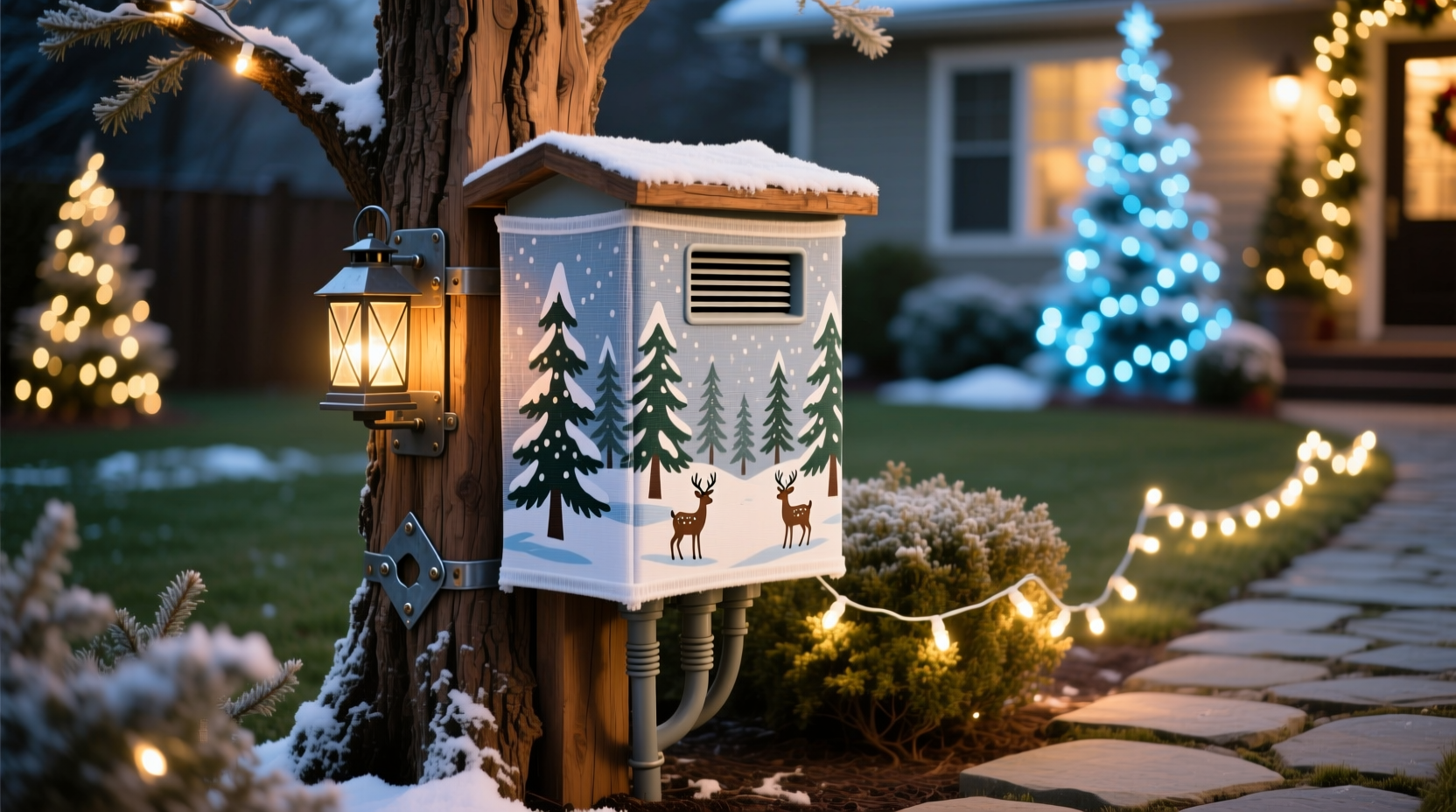
All transformers, whether magnetic or electronic, produce heat as a byproduct of converting household current (120V) to low-voltage output (typically 12–24V). The amount of heat depends on load: the more lights connected, the harder the transformer works. Continuous operation in cold weather doesn’t eliminate this risk—moisture buildup from condensation inside a sealed enclosure can compound the danger.
Adequate airflow prevents thermal runaway, a condition where rising temperature increases resistance, which in turn generates more heat until failure occurs. Most manufacturers require at least 6 inches of clearance on all sides, particularly above and behind the unit, to allow convective cooling. This means enclosing a transformer in a solid box, burying it under mulch, or stuffing it into a tight cabinet is never safe.
“Electrical enclosures need passive ventilation to dissipate heat. Even in freezing temperatures, trapped heat from continuous loads can exceed 140°F internally.” — James Ralston, Licensed Electrician and NFPA Safety Consultant
The solution lies in designing enclosures that diffuse visual attention while permitting unrestricted air movement. This balance requires thoughtful materials, placement, and construction techniques.
Design Principles for Hidden but Ventilated Enclosures
Successful concealment hinges on three principles: airflow preservation, moisture protection, and accessibility. A well-designed cover should let heat escape vertically (via convection), shield the unit from rain and snow, and allow quick access for troubleshooting or seasonal removal.
Material Selection for Breathable Covers
Choose materials that blend with your exterior while allowing air passage:
- Lattice panels: Wooden or PVC lattice provides excellent airflow and mimics garden fencing. Cut to size and secured with screws or zip ties, it creates a decorative screen.
- Wire mesh: Galvanized steel or aluminum mesh offers durability and near-complete visibility blockage from a distance, while maintaining over 80% open area for ventilation.
- Ventilated planters: Hollow planters with drainage holes and side vents can house transformers beneath trailing ivy or winter greens. Ensure no soil or roots contact electrical parts.
- Perforated metal sheets: Architectural-grade perforated steel or aluminum adds a modern look and withstands weather extremes.
Placement Strategy
Position the transformer before building a cover. Ideal locations include:
- Alongside garage walls where shadows reduce visibility
- Near shrubs or foundation plantings that provide natural screening
- Beneath covered patios or eaves where overhead protection reduces exposure to snowmelt
Avoid placing units directly against vinyl siding or wood, which can warp or ignite under sustained heat. Use a non-combustible base like concrete pavers or a ceramic tile platform.
Step-by-Step Guide: Building a Ventilated Transformer Cover
Follow this sequence to construct a safe, attractive enclosure in under two hours using basic tools.
- Measure and clear the area: Mark a space at least 8 inches wider and taller than the transformer on all sides. Remove debris, leaves, or standing water.
- Elevate the unit: Place the transformer on a 1-inch thick concrete paver or plastic riser to prevent ground moisture absorption.
- Frame the structure: Using 1x2 pressure-treated lumber, build a simple rectangular frame that surrounds the transformer with 6-inch side gaps and 8 inches of headspace.
- Attach breathable panels: Secure pre-cut lattice or wire mesh to three sides of the frame using exterior-grade staples or screws. Leave the back open if mounted against a wall.
- Add a sloped roof: Construct a small gabled or shed-style roof from corrugated polycarbonate or asphalt shingle scraps to deflect rain. Overhang edges by 2 inches.
- Incorporate access: Hinge one side panel or install a removable front panel with clips for easy maintenance.
- Test airflow: Run the system for 30 minutes, then carefully feel near (not on) the transformer. It should be warm but not hot. If excessive heat builds, increase vent size.
This modular design allows seasonal disassembly and storage. Label cords clearly to simplify reinstallation next year.
Do’s and Don’ts: Best Practices Summary
| Do | Don’t |
|---|---|
| Use elevated, non-combustible bases | Place transformers directly on grass or mulch |
| Maintain 6+ inches of clearance on all sides | Enclose in solid plastic or wood boxes |
| Use louvered or mesh-covered enclosures | Wrap in insulation, towels, or fabric |
| Install under partial overhead cover | Bury the unit or submerge in planter soil |
| Include tool-free access points | Seal units with caulk or adhesive |
Adhering to these guidelines ensures compliance with the National Electrical Code (NEC Article 450.9), which mandates that transformers be installed in a manner that does not interfere with cooling.
Real Example: A Suburban Porch Makeover
In Maplewood, NJ, homeowner Linda Tran struggled with two large transformer boxes mounted beside her front steps. “They looked like something from a construction site,” she said. Her initial attempt—a wicker basket placed over the units—had to be removed after 48 hours when the casing became too hot to touch.
Working with a local handyman, she designed a custom cover using cedar lattice panels framed with stainless steel corners. The base was raised on slate tiles, and a small peaked roof made from recycled solar panel glass provided weather protection. Ivy trained along the outside gave it a garden fixture appearance. After testing temperature with an infrared thermometer, they confirmed surface readings stayed below 110°F even during peak usage.
“Now neighbors ask where I bought the planter,” Tran said. “No one realizes it’s hiding electrical gear.”
Alternative Concealment Methods
Not every solution requires carpentry. Consider these alternatives based on your setup:
Camouflage with Landscaping
Strategic planting can mask transformers without physical barriers. Use evergreen ground covers like creeping juniper or vinca minor to obscure lower sections. Add lightweight trellises behind the unit and train hardy vines like wintercreeper up the support. Avoid deep-rooted plants or those requiring frequent watering near the base.
Repurposed Furniture
Old wooden crates, wine boxes, or decorative storage benches with slatted sides can serve as instant covers. Drill additional ventilation holes if needed and line the interior with heat-resistant foil board to reflect radiant heat away from wood.
Decorative Grilles
Architectural supply stores sell indoor-outdoor grilles designed for HVAC vents. Mount one vertically in front of the transformer using standoff brackets. Choose designs with intricate patterns that draw the eye while allowing full airflow.
Frequently Asked Questions
Can I paint a transformer box to make it less noticeable?
You can paint the exterior housing only if it’s made of metal and the paint is heat-resistant (up to 200°F). Never paint ventilation slots shut or coat plastic casings, which may degrade under chemical exposure. A better option is to build a painted cover around the unit instead.
Is it safe to place a transformer inside a sealed outdoor outlet cover?
No. Standard weatherproof outlet enclosures are not rated for enclosing active transformers. They lack sufficient volume and ventilation, leading to rapid overheating. Only use enclosures specifically listed for transformer installations.
How do I know if my transformer is overheating?
Signs include a strong burning smell, discolored casing, flickering lights, or automatic shutdown. Use a non-contact infrared thermometer to check surface temperature—anything above 140°F indicates inadequate cooling. Immediate shutdown and inspection are required.
Checklist: Safe Transformer Concealment
- ✅ Confirm transformer is rated for outdoor use (UL-listed)
- ✅ Elevate unit off ground using non-combustible material
- ✅ Ensure 6+ inches of clearance on all sides
- ✅ Use only breathable, non-flammable cover materials
- ✅ Include a removable or hinged access panel
- ✅ Protect from direct rain but avoid sealing
- ✅ Test temperature after 30 minutes of operation
- ✅ Label all cords and connections clearly
- ✅ Inspect weekly during display season
- ✅ Store cover and transformer indoors after holidays
Conclusion: Beauty Meets Safety in Holiday Lighting
Hiding transformer boxes doesn’t require sacrificing safety for aesthetics. With careful planning, common materials, and respect for electrical best practices, you can seamlessly integrate necessary equipment into your holiday display. The goal isn't invisibility—it's intelligent design that serves both function and form.




 浙公网安备
33010002000092号
浙公网安备
33010002000092号 浙B2-20120091-4
Comments
No comments yet. Why don't you start the discussion?