
Outdoor lighting enhances safety, security, and curb appeal, but the necessary electrical components—especially transformer boxes—can disrupt an otherwise polished landscape. These utilitarian gray or black enclosures are functional, not aesthetic. Fortunately, homeowners no longer need to choose between performance and appearance. With thoughtful design strategies like faux stone covers and creative planter integration, you can conceal these eyesores while maintaining accessibility and ventilation.
The key is balancing practicality with visual harmony. A poorly concealed transformer can lead to overheating, moisture damage, or difficulty servicing the unit. Done right, however, the box becomes invisible—or even an asset—to your outdoor space. This guide walks through proven methods, materials, and design principles to seamlessly integrate transformer boxes into your landscape.
Why transformer box visibility matters in landscape design
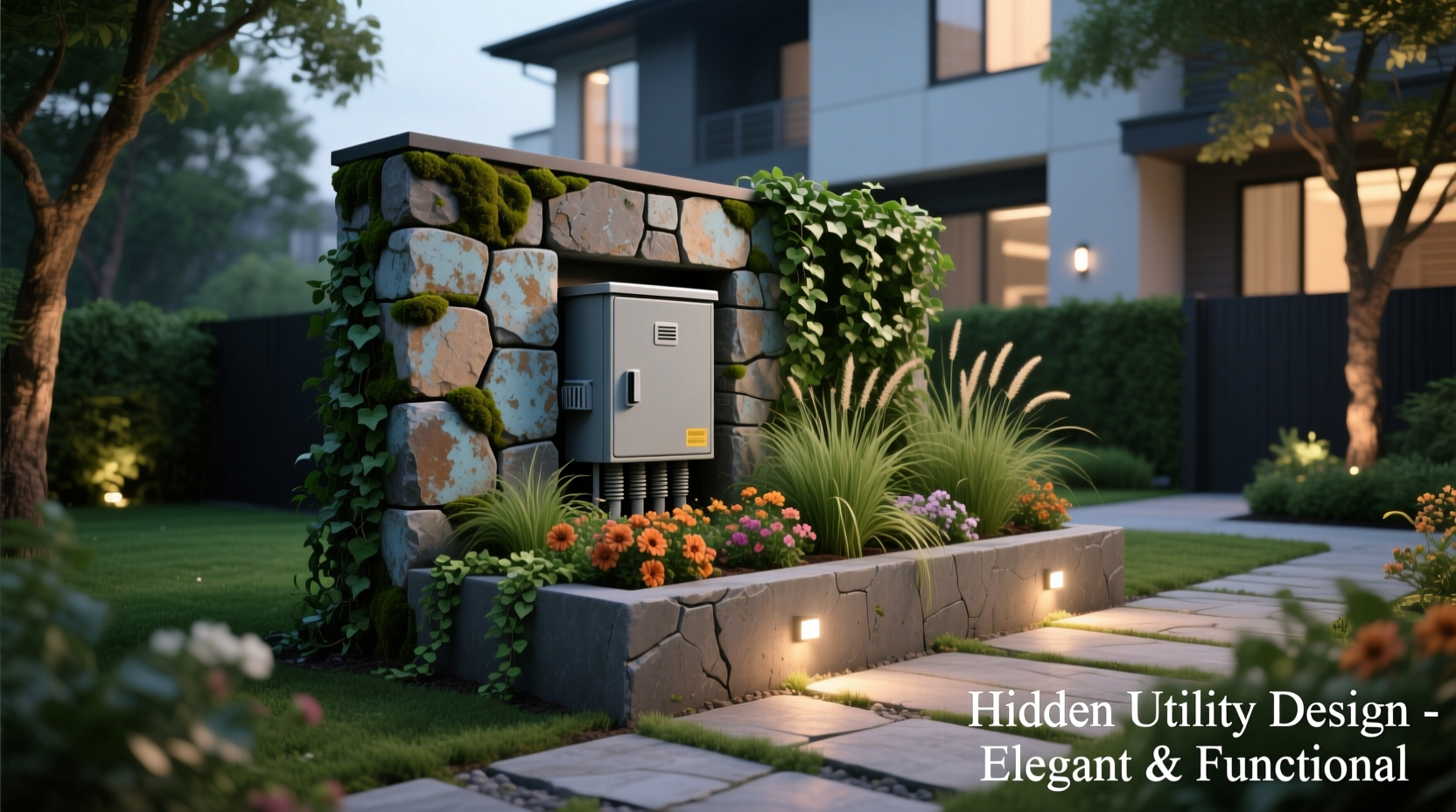
Landscape design is more than planting flowers and installing pavers—it’s about creating cohesive visual flow. A transformer box for low-voltage lighting often sits near walkways, foundation plantings, or garden beds, making it highly visible during evening use. Its industrial appearance clashes with natural textures and curated plantings, undermining the effort invested in outdoor aesthetics.
Beyond looks, exposed transformers may attract unwanted attention. While not typically targets for theft, their presence signals accessible wiring, which could raise minor security concerns. More importantly, children or pets might tamper with loose covers or cords if left unshielded. Proper concealment adds a layer of safety and reduces tripping hazards from protruding cables.
“Good landscape design doesn’t hide function—it integrates it. The best solutions make utility disappear without compromising access.” — Lila Thompson, Certified Landscape Designer (ASLA)
Effective concealment respects three core requirements: airflow, weather protection, and serviceability. Any solution must allow heat dissipation, prevent water pooling, and permit easy opening for maintenance. Ignoring these factors risks shortening the transformer’s lifespan or creating fire hazards due to overheating.
Faux stone covers: Function meets form
Faux stone panels offer one of the most popular and effective ways to disguise outdoor electrical equipment. Made from lightweight polyurethane or fiberglass composites, these realistic-looking stones mimic natural fieldstone, limestone, or stacked slate at a fraction of the weight and cost. Unlike real stone, they’re easy to cut, install, and maintain.
To use faux stone for transformer concealment, build a frame around the box that leaves at least 3–4 inches of clearance on all sides. This gap ensures adequate ventilation while providing space for the cover itself. Attach the panels directly to a wooden or metal frame using exterior-grade construction adhesive and stainless steel fasteners. Never seal the unit completely—leave gaps at the top and bottom for passive airflow.
When selecting panels, consider color and texture compatibility with your home’s exterior. Warm beige stones pair well with brick facades, while grays complement modern stucco or concrete. Some manufacturers offer sample kits so you can test combinations in natural light before purchasing full sets.
One limitation: faux stone covers require structural framing. If the transformer is mounted on a wall, you’ll need to construct a freestanding enclosure beside it rather than wrapping it directly. For ground-mounted units, build a simple U-shaped frame leaving the front open for door access. Hinge the front panel or make it removable with hidden clips for routine checks.
Planter integration: Disguise with greenery
Integrating the transformer into a planter is both functional and beautiful. When designed correctly, the box remains protected and accessible while being surrounded by lush foliage. This method works especially well in mixed borders, near patios, or along property lines where planters already serve decorative purposes.
The safest approach is to build a raised planter *around*—not over—the transformer. Position the planter so the transformer sits adjacent to or partially nestled within one side, then use trailing or upright plants to obscure the view. Avoid placing soil or mulch directly against the enclosure, as retained moisture can corrode casings and connectors.
Choose plants with non-invasive root systems and moderate water needs. Overwatering increases humidity around the transformer, which can lead to condensation inside the unit. Ideal candidates include:
- Lavender – drought-tolerant, fragrant, and compact
- Dusty Miller – silvery foliage provides contrast and doesn’t require frequent watering
- Heuchera (Coral Bells) – shade-friendly with colorful leaves
- Boxwood (dwarf varieties) – evergreen structure without aggressive roots
For full concealment, consider a two-tiered planter system. The lower level houses soil and plants, while the upper tier acts as a removable cap that lifts off to expose the transformer. Use pressure-treated wood, composite decking, or galvanized metal for durability. Line wooden planters with pond-safe rubber barriers (not plastic sheeting, which degrades in UV light).
Step-by-step: Building a planter-integrated transformer enclosure
- Measure the transformer – Note height, width, depth, and location of vents and access door.
- Select a site – Ensure at least 6 inches of clearance on vented sides; avoid low spots where water collects.
- Build a base frame – Use rot-resistant lumber to create a box slightly larger than the transformer footprint.
- Elevate the structure – Add legs or blocks to raise the planter 1–2 inches off the ground for drainage and airflow.
- Line and fill – Install a breathable geotextile liner, add gravel for drainage, then fill with quality potting mix.
- Position the transformer – Place it next to or beside the planer, angled slightly inward if possible.
- Plant strategically – Position taller plants on the outer edges and trailing types toward the center to drape over the box.
- Test access – Confirm you can still open the transformer door fully without disturbing plants.
Comparison: Faux stone vs. planter integration
| Solution | Best For | Ventilation | Maintenance Access | Cost Estimate | Durability |
|---|---|---|---|---|---|
| Faux Stone Cover | Wall-mounted units, modern homes, high-visibility areas | Excellent (with proper spacing) | Easy (if hinged or removable) | $80–$200 | High (UV-stable materials) |
| Planter Integration | Garden beds, rustic styles, shaded zones | Moderate (depends on plant density) | Variable (may require seasonal pruning) | $50–$150 + plants | Medium (wood degrades over time) |
Note: Costs vary based on size and material quality. Faux stone offers better long-term resilience, while planters provide living camouflage but demand seasonal upkeep.
Avoiding common mistakes
Even well-intentioned concealment attempts can backfire. Here are frequent errors and how to avoid them:
- Blocking ventilation – Sealing the transformer in airtight enclosures causes overheating. Always leave intake and exhaust gaps.
- Using flammable materials – Avoid untreated wood, foam insulation, or paper-based products near electrical gear.
- Ignoring local codes – Some municipalities require clear access to electrical equipment. Check with your building department before enclosing any device.
- Overcrowding with plants – Dense foliage traps humidity. Trim regularly and avoid climbing vines that could enter vents.
- Permanent adhesives – Never glue the cover directly to the transformer. Use mechanical fasteners that allow removal.
“Ventilation is non-negotiable. I’ve seen DIY enclosures cause transformer failure in under six months due to poor airflow.” — Marcus Reed, Licensed Electrician & Outdoor Lighting Specialist
Real-world example: Transforming a front yard eyesore
In suburban Denver, homeowner Sarah Lin faced a dilemma. Her newly installed pathway lighting dramatically improved nighttime safety, but the large black transformer sat awkwardly beside her front steps—visible from the street and front porch. She wanted a solution that matched her craftsman-style home without sacrificing functionality.
She opted for a hybrid approach: a custom-built faux stone sleeve with integrated side planters. Using lightweight stone veneer panels, she constructed a rectangular shroud around a wooden frame, leaving 4-inch gaps on the sides and top. On either side, she added narrow cedar planters filled with creeping thyme and dwarf ornamental grasses.
The front panel of the faux stone cover was hinged at the bottom, allowing it to swing upward like a hood for maintenance. After installation, the unit blended with her stone foundation, and within two growing seasons, the trailing thyme softened the base further. Two years later, she reports no issues with overheating, and neighbors have complimented the “rustic garden feature” without realizing its true purpose.
Checklist: Transformer concealment done right
- ✅ Measure transformer dimensions and note vent locations
- ✅ Confirm local code requirements for electrical enclosures
- ✅ Choose a concealment method (faux stone, planter, or hybrid)
- ✅ Maintain minimum 3-inch clearance around all sides
- ✅ Ensure top and bottom airflow (use mesh if needed)
- ✅ Use non-combustible, weather-resistant materials
- ✅ Design for easy access (hinges, removable panels)
- ✅ Test the setup after installation (check temperature after 2 hours of operation)
- ✅ Schedule biannual inspection for dust, pests, or moisture
Frequently asked questions
Can I paint the transformer box instead of covering it?
You can paint the exterior with outdoor-rated, non-conductive spray paint, but this only improves appearance—not integration. Painting over vents or seals risks clogging airflow or damaging gaskets. It’s less effective than physical concealment and may void warranties. Use paint only as a last resort and never on internal components.
Are there pre-made transformer enclosures available?
Yes. Several companies manufacture decorative outdoor electrical enclosures made from resin, stone composite, or powder-coated metal. Brands like Everbilt and Outsite offer models designed specifically for irrigation controllers and lighting transformers. These range from $100–$300 and often include ventilation slots and lockable doors.
Will hiding the transformer affect its performance?
Only if ventilation is compromised. As long as heat can escape and moisture doesn’t accumulate, performance remains unaffected. In fact, some enclosures provide shade that reduces thermal stress in hot climates. Monitor the unit’s surface temperature during peak usage—if it’s too hot to touch comfortably after an hour, reassess your design.
Final thoughts: Elevate your landscape with smart concealment
Hiding a transformer box isn’t about deception—it’s about design integrity. Every element in your outdoor space contributes to the overall experience, and functional items deserve thoughtful treatment just like seating areas or flowerbeds. Whether you choose the rugged elegance of faux stone or the living softness of planter integration, the goal is harmony.
Start small. Test a temporary screen with potted plants. Observe how light and shadow fall at different times of day. Then invest in a permanent solution that aligns with your landscape’s character. With careful planning, your lighting system will deliver beauty without revealing its backbone.




 浙公网安备
33010002000092号
浙公网安备
33010002000092号 浙B2-20120091-4
Comments
No comments yet. Why don't you start the discussion?