
Throwing a celebration doesn’t have to mean filling landfills. From birthdays to baby showers, holiday gatherings to backyard cookouts, most parties generate staggering amounts of single-use waste. Plastic plates, synthetic balloons, non-recyclable napkins, and forgotten food scraps often end up in landfills or polluting natural environments. But it’s entirely possible—and increasingly popular—to host a vibrant, memorable event that leaves no trace behind.
A zero waste party isn’t about deprivation; it’s about thoughtful planning, sustainable choices, and creative reuse. By focusing on compostable decor and strategic handling of leftovers, you can significantly reduce your environmental footprint while still hosting a joyful, inclusive event. This guide walks through practical steps to design a celebration that honors both people and the planet.
Plan with Purpose: The Foundation of Zero Waste Events
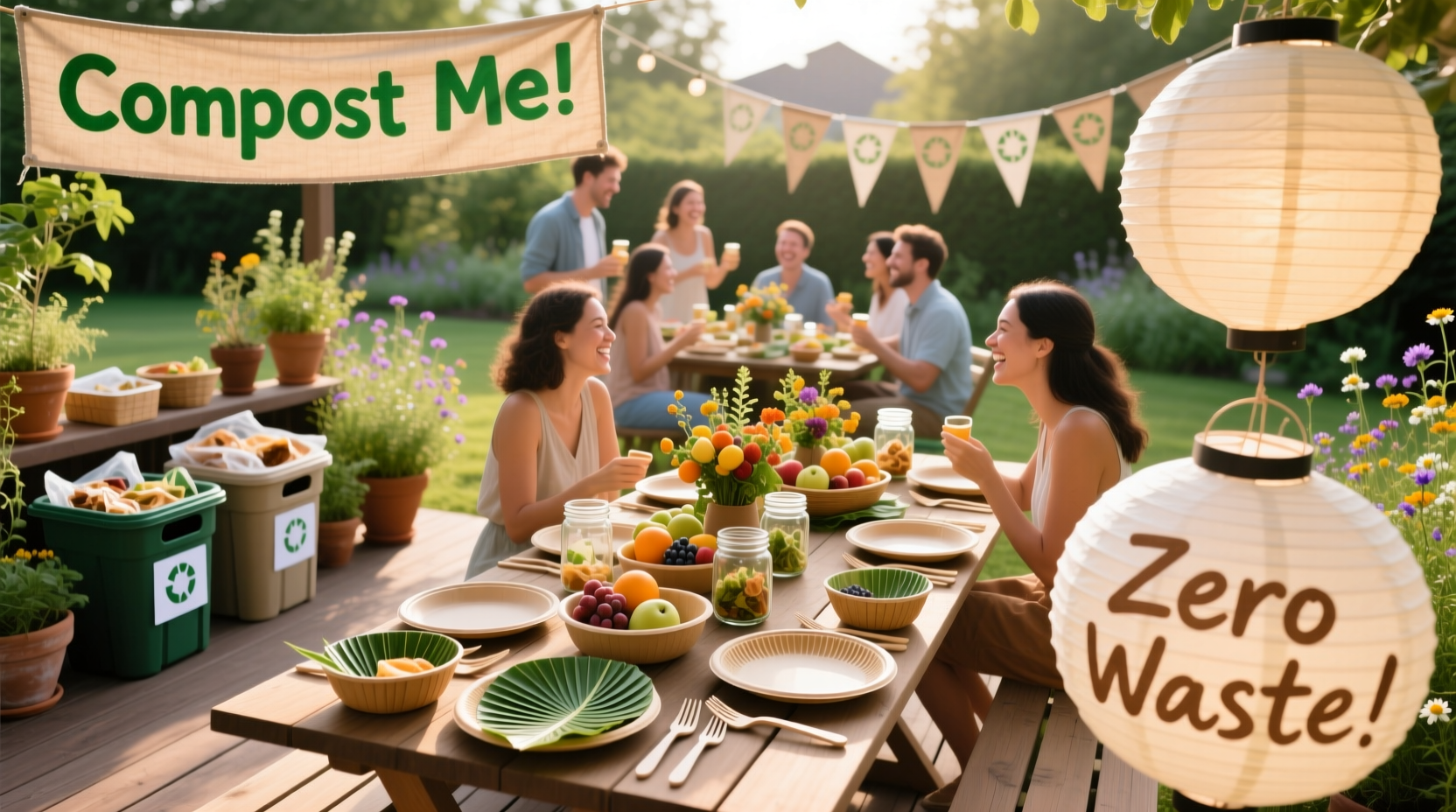
The key to a successful zero waste party lies in intentional planning. Start at least two weeks in advance to allow time for sourcing materials, coordinating logistics, and communicating expectations to guests. Begin by defining your event’s scope: How many people will attend? What kind of food will be served? Will it be indoors or outdoors? These answers shape every subsequent decision.
Set a clear sustainability goal. For example: “All waste generated will be either composted, recycled, or taken home by guests.” Share this mission in invitations so attendees know what to expect—many appreciate hosts who prioritize eco-consciousness.
Choose a theme that aligns with nature or simplicity—think “garden soirée,” “harvest dinner,” or “vintage picnic.” Themes rooted in natural elements make it easier to incorporate reusable and biodegradable materials. Avoid themes reliant on plastic-heavy accessories (e.g., neon glow parties) unless you’re committed to renting or reusing all items afterward.
Select Compostable Decor That Wows
Decorations are often the first thing guests notice—but they’re also among the most wasteful components of traditional parties. Balloons, glitter, plastic banners, and foam centerpieces can take centuries to decompose. The solution is compostable decor made from plant-based, biodegradable materials.
Look for tableware and decorative items certified as commercially compostable (look for BPI or TUV Austria OK Compost labels). These include plates, cups, cutlery, and napkins made from bamboo, palm leaf, sugarcane fiber (bagasse), or cornstarch. Unlike “biodegradable” plastics—which may only break down under specific conditions—certified compostables disintegrate safely in industrial composting facilities.
For centerpieces, use potted plants, seasonal flowers in reusable vases, or fruit arrangements that double as snacks. After the party, donate live plants to guests or repurpose them in your garden. Fabric bunting made from scrap cloth replaces plastic streamers and can be reused for years.
“Compostable doesn’t mean disposable. Even sustainable materials should be used mindfully and returned to the earth properly.” — Dr. Lena Torres, Environmental Scientist & Circular Economy Advocate
Do’s and Don’ts of Eco-Friendly Party Decor
| Do | Avoid |
|---|---|
| Use real flowers in water-filled jars | Floral foam (non-biodegradable) |
| Rent fabric linens or borrow from friends | Plastic tablecloths |
| Hang decorations made from recycled paper or wood | Glitter or mylar balloons |
| Label compost bins clearly with visual cues | Mixing compostables with regular trash |
Manage Food and Leftovers Strategically
Food waste is one of the largest contributors to party-related landfill volume. In the U.S., nearly 30–40% of the food supply is wasted annually, much of it from social events. A zero waste party tackles this head-on through careful menu planning, portion control, and proactive redistribution.
Start by estimating servings accurately. Use online calculators or general guidelines: one main dish serving per person, half that amount for side dishes. Offer a simple menu with overlapping ingredients to minimize unused groceries. Plant-based dishes tend to keep better and generate less methane when composted.
Serve buffet-style with small platters that get refilled, rather than overloading tables initially. This reduces spoilage and allows guests to try everything without taking too much. Label dishes clearly—especially allergens—to prevent uneaten food due to uncertainty.
Leftover Action Plan
- Prioritize edible recovery: Encourage guests to bring reusable containers to take home leftovers. Have a few extras on hand for those unprepared.
- Donate surplus: Coordinate with local shelters, community fridges, or apps like Olio or Too Good To Go to redirect excess food within safe timeframes.
- Preserve what remains: Freeze soups, sauces, or baked goods for future meals.
- Compost inedible scraps: Set up a dedicated bin for peels, cores, coffee grounds, and soiled napkins.
Remember: cooked meat, dairy, and eggs must be handled carefully. Only redistribute if kept refrigerated and consumed within two hours of service (or one hour in temperatures above 90°F).
Real Example: Sarah’s Zero Waste Birthday Bash
Sarah, a sustainability consultant in Portland, Oregon, hosted her 35th birthday party with a firm zero waste goal. She invited 25 close friends to a backyard brunch featuring a build-your-own avocado toast bar, seasonal fruit skewers, and homemade granola parfaits served in mason jars.
All utensils were bamboo, napkins were unbleached cotton, and tables were covered with linen cloths borrowed from her sister. Centerpieces consisted of potted lavender and rosemary—guests took them home as party favors. Clear signage directed waste into three labeled stations: Compost, Recycling, and “Take Home” (for leftover food).
After the party, Sarah packed remaining bread and cheese into glass containers and dropped them at a neighborhood mutual aid fridge. Vegetable peels and eggshells went to her city’s curbside compost program. Not a single item ended up in the landfill.
“People loved the personal touch,” she said. “They didn’t miss plastic at all. One guest told me it was the most ‘thoughtful’ party they’d ever attended.”
Step-by-Step Timeline for Hosting Your Zero Waste Party
Follow this timeline to ensure nothing slips through the cracks:
- 4 Weeks Before: Finalize guest list, choose theme, send digital invites with eco notes (e.g., “We’re going zero waste—please bring a container if you’d like to take leftovers!”).
- 3 Weeks Before: Research local suppliers of compostable tableware. Confirm availability of rentals (e.g., glassware, linens). Map out waste stations.
- 2 Weeks Before: Plan menu based on seasonal produce. Order ingredients from farmers markets or bulk stores using reusable bags.
- 1 Week Before: Prepare make-ahead dishes. Confirm compost pickup or drop-off location. Print simple signs for waste sorting.
- Day Before: Set up tables, decorate, chill drinks. Assemble emergency kit: extra containers, compostable bags, gloves, cleaning cloths.
- Day Of: Serve food in stages. Monitor waste bins and assist guests with disposal. Keep compostables sealed to deter pests.
- Day After: Transport compost to facility. Wash and store reusable items. Donate unused pantry goods to food banks.
Frequently Asked Questions
Can I really compost all my party waste?
Most organic waste—food scraps, napkins, compostable cutlery—can be processed in commercial composting facilities. However, not all municipalities accept compostables. Check with your local waste provider. If curbside compost isn’t available, consider dropping off at a community garden or using a subscription service like CompostNow.
What if guests forget to bring containers for leftovers?
Always have a backup supply of reusable or compostable containers on hand. You can purchase affordable, sturdy takeout boxes made from molded fiber. Alternatively, ask a few trusted guests to bring extras ahead of time.
Are compostable products more expensive?
Yes, they typically cost 20–50% more than plastic disposables. But the environmental benefit justifies the investment. To save money, rent dishes instead of buying, limit single-use items to essentials (forks, napkins), and reuse decorative elements across multiple events.
Zero Waste Party Checklist
- Send digital invitations mentioning the zero waste goal
- Choose compostable or reusable tableware and napkins
- Borrow or rent linens, glassware, and serving dishes
- Create a seasonal, plant-forward menu
- Estimate portions to avoid over-prepping
- Set up clearly labeled waste stations: Compost, Recycling, Take-Home
- Provide reusable containers for leftover redistribution
- Arrange post-party donation or compost drop-off
- Communicate cleanup plan to co-hosts or helpers
- Debrief and track waste outcomes for future improvement
Conclusion: Celebrate Sustainably, One Party at a Time
Hosting a zero waste party isn’t about perfection—it’s about progress. Every compostable plate used, every container filled with leftovers, every decoration reused is a step toward a culture of mindful consumption. You don’t need to eliminate all waste overnight, but starting with one event sets a powerful example.
Your choices ripple outward. Guests notice thoughtful details—the smell of fresh herbs on the table, the ease of tossing a napkin into compost, the pride in carrying home a meal in a glass jar. These moments spark conversations, inspire change, and redefine what celebration means in an age of climate urgency.




 浙公网安备
33010002000092号
浙公网安备
33010002000092号 浙B2-20120091-4
Comments
No comments yet. Why don't you start the discussion?