
A well-chosen vintage blazer transcends trends, offering a refined silhouette, superior craftsmanship, and an authenticity that modern fast-fashion often lacks. Unlike mass-produced garments, vintage pieces carry history, character, and attention to detail that elevate any wardrobe. But not all vintage blazers are created equal. To build a truly timeless look, it’s essential to distinguish between those worth investing in and those better left behind. The key lies in understanding construction, fabric, fit, and provenance—elements that separate enduring quality from fleeting nostalgia.
Analyze the Fabric: The Foundation of Longevity
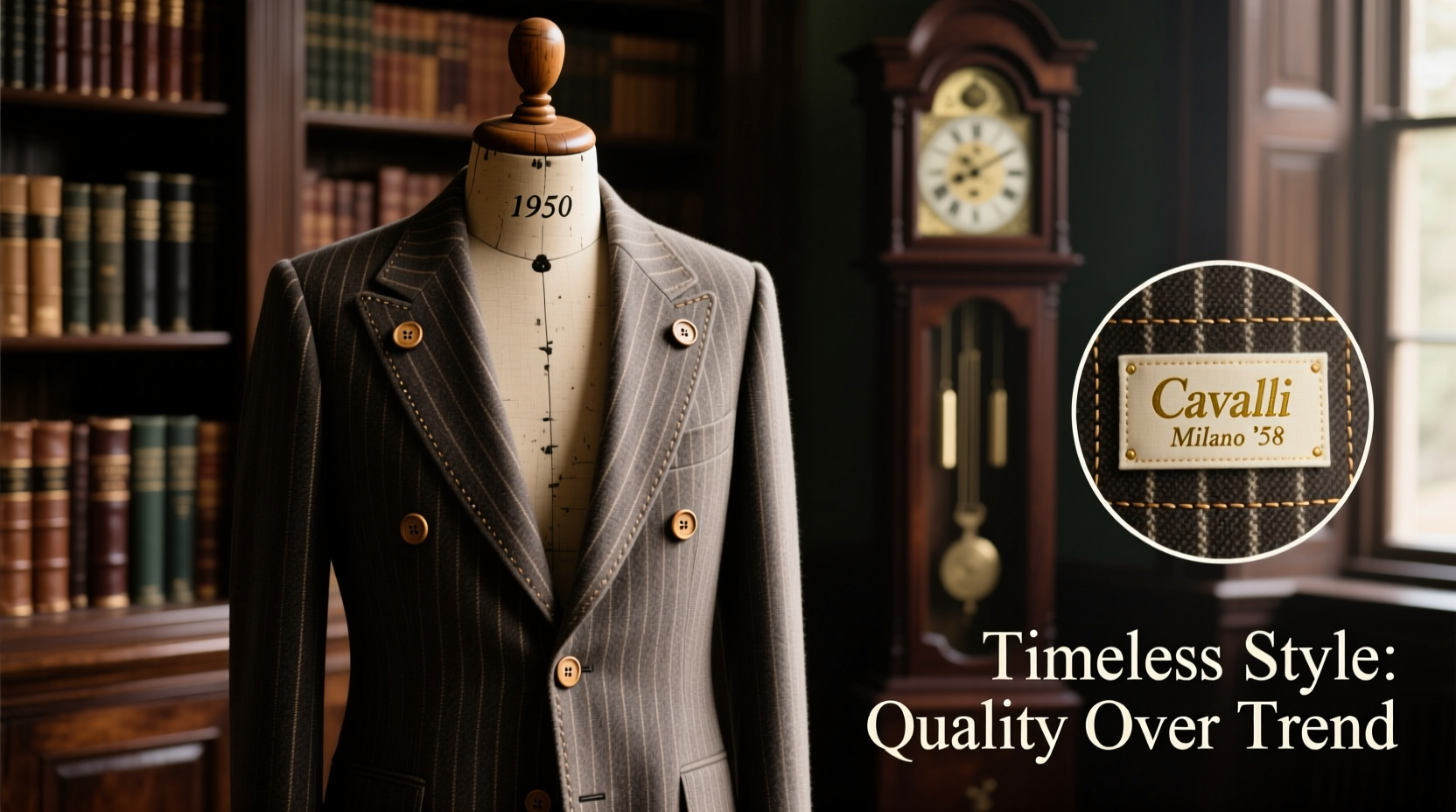
The material of a vintage blazer determines not only its comfort and drape but also its durability and resistance to wear. Natural fibers such as wool, tweed, flannel, and mohair have historically been favored in high-end tailoring for good reason. Wool, particularly in worsted or gabardine weaves, offers resilience, breathability, and a refined finish. Tweed and flannel add texture and warmth, ideal for cooler climates and classic British-inspired styles.
Synthetic blends—common in mid-to-late 20th-century mass production—are often telltale signs of lower quality. Polyester and acrylic may retain shape initially but tend to pill, lose luster, and trap odors over time. Check the garment label or feel the fabric: natural fibers typically have a soft yet substantial hand-feel, while synthetics can feel stiff or overly smooth.
Evaluate Construction: Signs of Expert Tailoring
Beyond fabric, construction reveals whether a blazer was made to last. High-quality vintage blazers feature canvassing—a layer of horsehair or linen interwoven between the outer fabric and lining—that provides structure and allows the garment to mold to the wearer’s body over time. A canvassed chest feels slightly springy when pressed, unlike fused (glued) interlinings, which can bubble or stiffen with age.
To test for canvas, pinch the lapel near the collar. If it folds naturally and feels layered rather than flat and board-like, it likely has full or half-canvassing. Fully canvassed jackets represent the pinnacle of traditional tailoring, though half-canvassed versions still offer excellent performance and are common in reputable brands from the 1950s–1980s.
Stitching should be even, tight, and consistent. Look for pick stitching along the lapel edge—a hand-sewn reinforcement that prevents roll distortion. Inside, check for clean seam finishes, bar tacks at stress points (like pocket corners), and functional buttonholes, which suggest meticulous workmanship.
“Vintage tailoring from pre-1990s Europe often surpasses today’s ready-to-wear in both materials and technique. The investment is in the details.” — Luca Moretti, Bespoke Tailor & Vintage Textile Conservator
Assess Fit and Proportion for Modern Wear
Finding the right fit in vintage requires balancing original intent with contemporary styling. Shoulder seams should align precisely with the end of your shoulder bone—never droop past it. Sleeves ideally end at the wrist bone, allowing a shirt cuff to peek through by about half an inch. The jacket should close comfortably without strain; if the front edges pull apart, it’s too tight across the chest or waist.
Vintage cuts vary significantly by era. 1940s–50s jackets often feature padded shoulders and nipped waists, while 1970s designs lean toward boxier silhouettes. Consider how much alteration is feasible: minor adjustments like hemming sleeves or tapering sides are manageable, but reshaping shoulders or drastically reducing the chest can compromise structure and balance.
Step-by-Step Guide to Sourcing Quality Vintage Blazers
- Define Your Style Era: Research decades that align with your aesthetic—e.g., sharp 1960s mod lines or rugged 1980s double-breasted cuts.
- Visit Reputable Sellers: Prioritize curated vintage shops, estate sales, or trusted online platforms like Etsy, Grailed, or specialized tailoring resellers.
- Inspect Closely: Examine fabric integrity, internal construction, and signs of wear (stains, moth holes, broken buttons).
- Check Brand Labels: Recognize quality makers—British (Gieves & Hawkes, Aquascutum), Italian (Brioni, Zegna), or American (Brooks Brothers, Ralph Lauren Purple Label).
- Test Mobility: Move your arms, sit down, and button/unbutton to ensure comfort and flexibility.
- Verify Authenticity: Cross-reference label styles, union tags, and manufacturing codes with collector databases or forums.
Do’s and Don’ts: Quick Reference Table
| Do | Don't |
|---|---|
| Look for natural fiber content (wool, cotton, silk blends) | Buy blazers with visible stains or underarm odor |
| Choose structured shoulders and defined lapels | Ignore missing buttons or weak button attachments |
| Prefer canvassed over fused construction | Select pieces requiring major structural alterations |
| Inspect linings for tears or dry rot | Overlook small repairs that can extend lifespan |
| Consider timeless colors: navy, charcoal, herringbone | Chase novelty prints unless they suit your personal style |
Real Example: Finding a 1970s British Double-Breasted Gem
Sophie, a stylist based in Edinburgh, spent months searching for a vintage blazer that balanced boldness with wearability. She found a navy double-breasted piece from a defunct London tailor, marked “Henry L. & Co.” The wool was heavy, tightly woven, and bore no pilling. Upon inspection, she discovered full canvas construction, working surgeon’s cuffs, and mother-of-pearl buttons—all hallmarks of quality. Though the shoulders were slightly wide, the rest of the fit was nearly perfect. A local tailor adjusted the back seam subtly, preserving the original drape. Now a cornerstone of her wardrobe, the blazer has been worn to client meetings, weddings, and gallery openings—proof that patience and knowledge yield lasting rewards.
Care and Maintenance for Lasting Elegance
Preserving a vintage blazer begins with mindful use. Rotate it within your wardrobe to prevent overuse and always unbutton before sitting. Store it on a broad, padded hanger to maintain shoulder shape, and use a breathable cotton garment bag for long-term storage.
Dry cleaning should be done sparingly—once every 10–15 wears—and only at eco-conscious cleaners experienced with delicate fabrics. For spot treatment, use a soft brush for dust and a barely damp cloth for surface marks. Moth prevention is critical: store with cedar blocks or lavender sachets, never in plastic bags.
FAQ
Can I wear a vintage blazer casually?
Absolutely. Pair a tweed or corduroy vintage blazer with dark jeans and a turtleneck for a relaxed yet polished look. Avoid overly formal pairings like dress shirts and ties unless the occasion calls for them.
How do I know if a vintage blazer is authentic?
Examine label typography, union tags (e.g., “Made in England” vs. “UK”), and stitching patterns. Compare with verified examples online or consult vintage clothing forums. Authentic pieces rarely have inconsistent branding or mismatched hardware.
Is it worth repairing a damaged vintage blazer?
It depends on the damage and the garment’s overall value. Minor issues like loose buttons or small lining tears are easily fixed. However, extensive moth damage, water staining, or compromised canvas may not justify restoration costs unless the piece is rare or sentimental.
Conclusion: Build a Legacy, One Blazer at a Time
Choosing the best quality vintage blazer isn’t just about fashion—it’s an act of curation, sustainability, and personal expression. By learning to recognize fine materials, skilled construction, and timeless proportions, you invest in pieces that grow more distinctive with age. Whether sourced from a dusty thrift shop or a curated archive, a well-chosen blazer becomes more than clothing; it becomes part of your story.




 浙公网安备
33010002000092号
浙公网安备
33010002000092号 浙B2-20120091-4
Comments
No comments yet. Why don't you start the discussion?