
Purchasing a Disney keychain is more than just buying an accessory—it’s owning a piece of storytelling magic. Whether it’s a souvenir from a theme park visit or a collectible from your favorite character, authenticity matters. Unfortunately, the market is flooded with counterfeit Disney merchandise, especially on online marketplaces and at unofficial vendors. These knockoffs may look convincing at first glance but often fall short in quality, safety, and emotional value. Knowing how to distinguish genuine Disney keychains from fakes empowers collectors, parents, and fans to make informed purchases and protect their investment.
Check for Official Branding and Trademark Labels
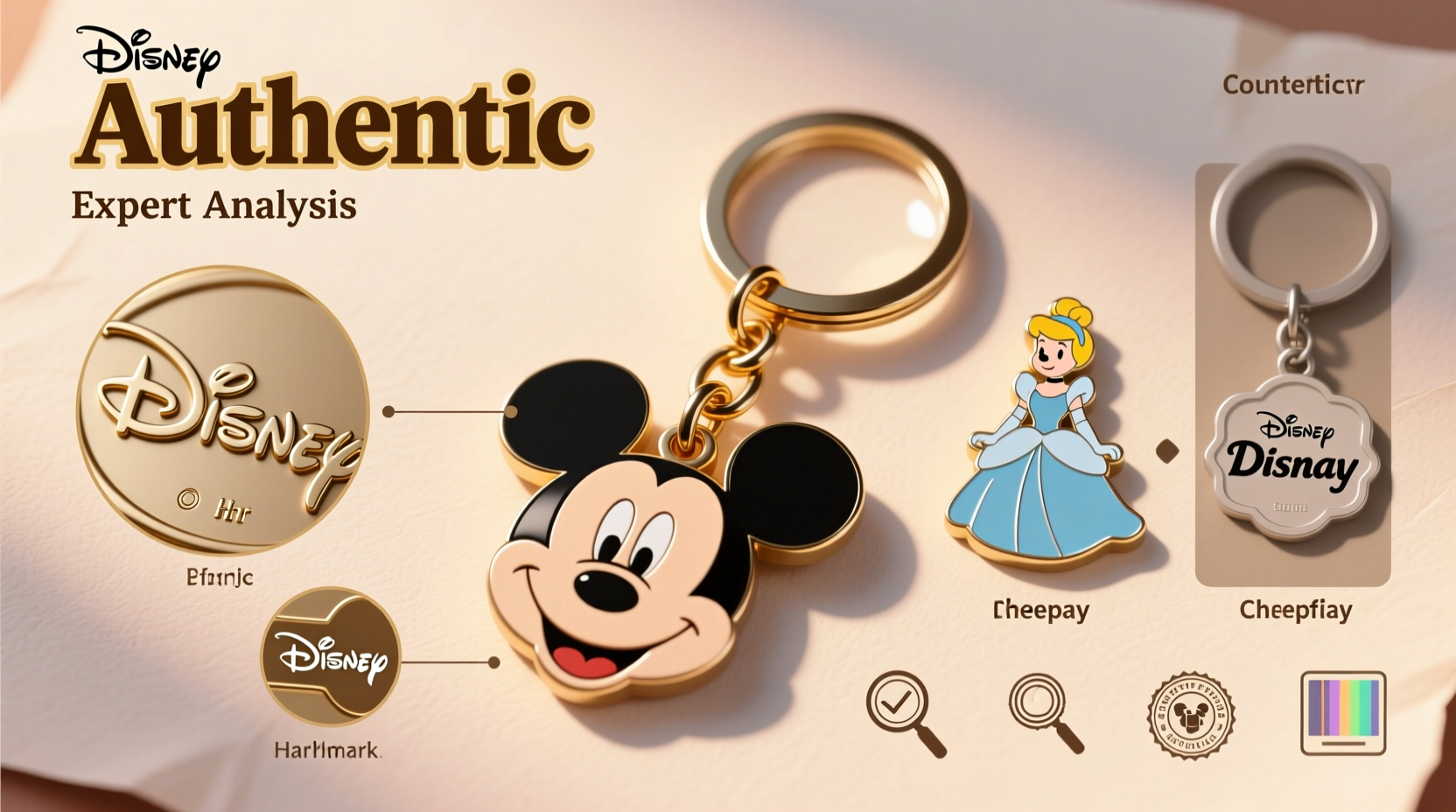
The most reliable starting point in identifying an authentic Disney keychain is verifying proper branding. Genuine Disney products always include clear trademark information. Look for “© Disney” or “Disney Enterprises, Inc.” etched or printed on the back of the charm, packaging, or hangtag. The font should be crisp, consistent, and professionally applied—not smudged, misspelled, or off-center.
Counterfeiters often omit or incorrectly format copyright details. Some fake items display “Disney” without the © symbol or use incorrect variations like “Walt Disney World” when the product isn’t park-exclusive. Authentic keychains sold outside parks typically carry “Made by [Manufacturer] under license from Disney,” followed by the manufacturer’s name and location.
Examine Material Quality and Craftsmanship
Authentic Disney keychains are made with durable materials such as zinc alloy, high-grade PVC, or enamel-coated metal. They feel substantial in hand—not overly light or flimsy. Paint finishes are smooth, evenly distributed, and free of bubbles, streaks, or rough edges. Character details like facial features, clothing lines, and accessories are sharply defined.
In contrast, counterfeit versions often use cheap plastic or thin metal that bends easily. Colors may appear washed out or oversaturated, and paint can chip after minimal handling. Poor alignment between parts—such as a head not properly attached to a body—is another common flaw in knockoffs.
“Consistent attention to detail separates licensed merchandise from mass-produced fakes. A real Disney keychain reflects the same care put into animation and design.” — Laura Simmons, Licensed Merchandise Analyst
Compare Packaging and Hangtags
Original Disney keychains come in branded packaging that varies slightly depending on where they’re sold—theme parks, Disney Store locations, or licensed retailers. Park-exclusive items often have unique holographic stickers, barcodes with specific prefixes (like 6576), and custom back cards with ride or land names. Retail versions feature clean cardboard backing, vibrant full-color printing, and tamper-evident seals.
Hangtags on authentic products include:
- Official Disney logo (not stylized or altered)
- Character name and product number (usually 6–8 digits)
- Licensing information and country of manufacture
- UPC barcode that scans correctly in verification apps
Fake keychains frequently have generic packaging, misspelled words (“Mickey Mause”), or lack security features altogether. If the tag looks photocopied or uses low-resolution images, proceed with caution.
Do’s and Don’ts When Evaluating Packaging
| Do | Don't |
|---|---|
| Look for holograms or foil stamps on park exclusives | Assume all Disney-style boxes are genuine |
| Verify product numbers match official databases | Ignore mismatched fonts or blurry logos |
| Check if the barcode scans to a known Disney SKU | Buy sealed packages without inspecting contents later |
Step-by-Step Guide to Verifying Authenticity
Follow this methodical process before purchasing or accepting a Disney keychain as a gift:
- Inspect the Logo and Copyright Mark: Confirm the presence of “© Disney” and correct font usage.
- Feel the Weight and Texture: Compare it to known authentic pieces—if it feels too light or brittle, it’s likely fake.
- Review Paint and Detail Precision: Zoom in on facial expressions, outlines, and color consistency.
- Check the Packaging: Ensure hangtag includes product number, licensing info, and accurate branding.
- Scan the Barcode: Use apps like Amazon or Google Lens to cross-reference the item online.
- Cross-Reference Online: Search the product number on Disney fan forums or collector sites like DISboards or FanSites.
- Purchase Source Verification: Only buy from authorized sellers—Disney Store, shopDisney.com, or verified resellers.
Real Example: A Collector’s Near-Miss
Sarah, a longtime Disney memorabilia collector from Orlando, once purchased what appeared to be a limited-edition Stitch keychain on a popular auction site. The listing showed pristine packaging and glowing reviews. However, upon arrival, she noticed subtle issues: the blue paint had a greenish tint, the eyes were misaligned, and the copyright line read “©Disney Inc.” instead of “© Disney.” She scanned the barcode—it led to a completely different product. After contacting Disney Consumer Services, she confirmed it was counterfeit and received guidance on reporting the seller. Her experience underscores how even experienced buyers can be fooled without careful scrutiny.
Common Red Flags of Counterfeit Keychains
Stay alert for these warning signs:
- Unrealistically low prices: Authentic Disney items rarely sell significantly below retail.
- Vague seller descriptions: Phrases like “inspired by” or “similar to” indicate non-licensed goods.
- No return policy or refusal to provide close-up photos: Legitimate sellers accommodate reasonable requests.
- Missing or duplicated product numbers: Run a quick search—multiple listings with the same number could signal fraud.
- Overseas shipping from unverified sources: Especially from regions known for replica production.
FAQ
Can I trust third-party sellers on Amazon or eBay?
You can, but only if they are “Fulfilled by Amazon” or designated as Top Rated Plus with a history of selling authentic Disney goods. Always read reviews and ask for proof of purchase if buying high-value items.
Does Disney offer authentication services?
While Disney does not provide formal authentication for individual collectibles, their customer service team can verify product numbers and report suspected counterfeit operations. Contact them via the official Disney Consumer Products website.
Are vintage Disney keychains more likely to be fake?
Vintage items require extra diligence. Older keychains may lack modern trademarks, but reputable sellers should provide context—such as original packaging, provenance, or era-specific details. Cross-check designs against archived catalogs or collector guides.
Final Checklist Before You Buy
✅ Is the Disney logo correctly spelled and styled?✅ Does the item have a visible copyright mark (© Disney)?
✅ Is the material sturdy and well-finished?
✅ Are colors accurate and aligned with official character designs?
✅ Is the packaging branded and professional?
✅ Does the product number match known Disney SKUs?
✅ Was it purchased from an authorized retailer?
Conclusion
Identifying authentic Disney keychains isn’t just about protecting your wallet—it’s about preserving the integrity of a beloved brand and the joy it brings. With increasing sophistication in counterfeit manufacturing, vigilance is essential. By mastering the details of branding, materials, packaging, and sourcing, you can confidently grow your collection with genuine treasures. Whether you're shopping for yourself, a child, or as a keepsake, taking a few extra moments to verify authenticity ensures that every keychain carries the true magic of Disney.




 浙公网安备
33010002000092号
浙公网安备
33010002000092号 浙B2-20120091-4
Comments
No comments yet. Why don't you start the discussion?