
Authentic vintage designer bags are more than fashion statements—they're investments. Whether you've inherited a piece from the 1980s or found a stunning Chanel flap at a flea market, verifying authenticity is essential before wearing, reselling, or insuring it. While professional appraisers offer definitive verification, their services aren’t always accessible. The good news? With careful observation and knowledge of key design elements, you can confidently assess a bag’s legitimacy on your own.
From examining hardware finishes to decoding date codes and stitching patterns, identifying genuine vintage pieces relies on consistency, precision, and attention to detail. This guide walks you through practical methods anyone can use—no formal training required.
Understand Brand-Specific Design Signatures
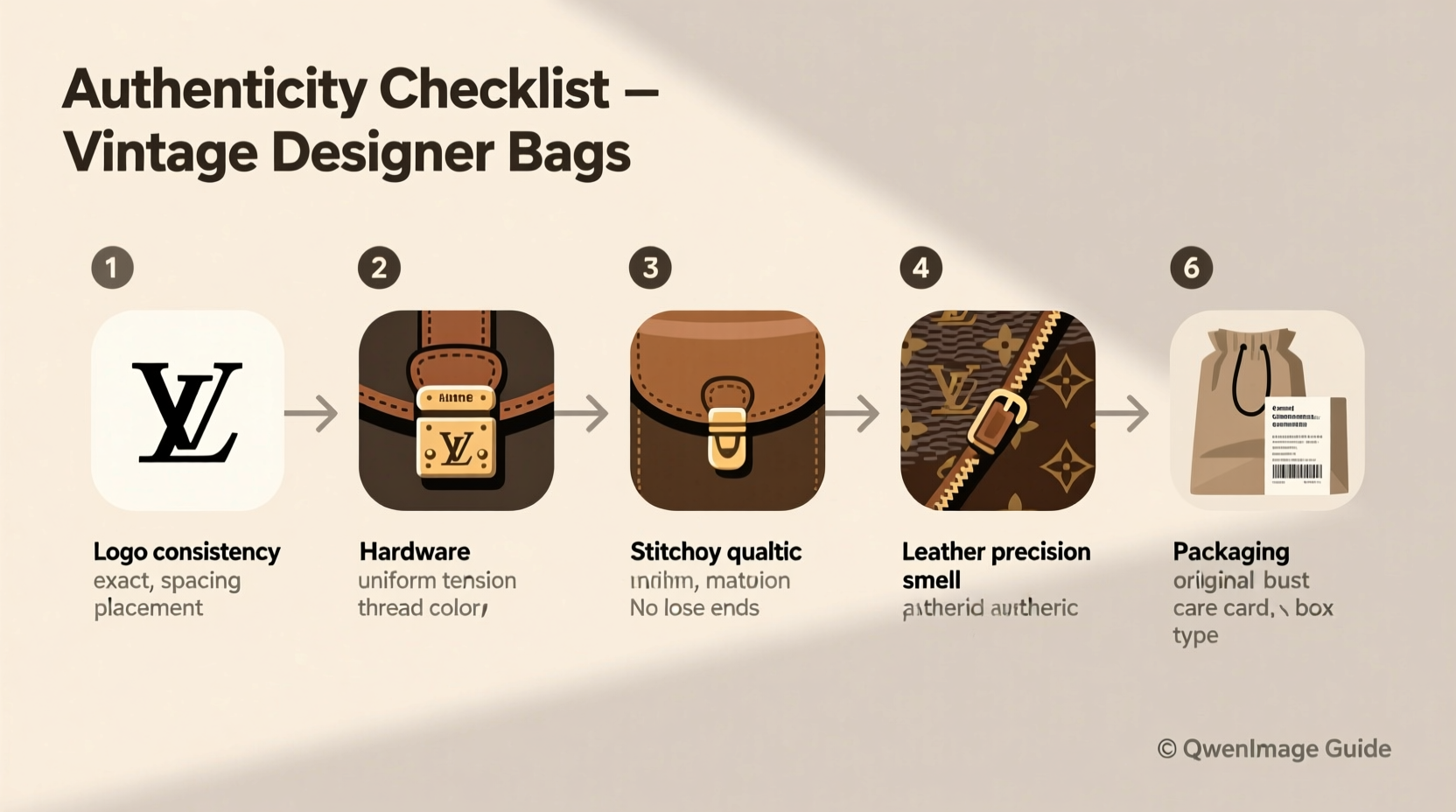
Each luxury house has distinct construction traits that evolved over decades. Familiarizing yourself with these markers helps distinguish real from replica. For example:
- Chanel: Symmetrical quilting, interlocking CC turn-lock clasps, and a specific font for logos introduced in the 1980s.
- Hermès: Hand-stitched saddle stitching (every stitch visible and evenly spaced), consistent hide quality, and precise stamping of blind stamps indicating year and artisan.
- Gucci: Double G logo alignment, green-red-green webbing placement, and gold-tone hardware with weight and depth.
- Yves Saint Laurent: Engraved \"YSL\" monogram plates with clean edges and a signature \"Trapeze\" shape in early models.
These features didn't change overnight. Brands maintain continuity across production runs, even as minor updates occur. A true vintage piece reflects the standards of its era—not modern reinterpretations.
“Vintage authenticity lies not just in logos but in consistency: the way leather ages, how stitches align, and how hardware wears over time.” — Lena Moreau, Vintage Fashion Archivist
Analyze Materials and Craftsmanship Closely
Authentic vintage bags were made with premium materials and hand-finished techniques. Counterfeits often cut corners here. Examine the following aspects under natural light:
Fabric & Leather Quality
Genuine vintage leather develops a patina—a soft sheen from natural oils and handling. It should feel supple, not plastic-coated. Check for grain consistency; machine-pressed textures usually lack depth. Canvas linings, like those on Louis Vuitton trunks, feature tight weaves and correct color pairings (e.g., brown trim with golden brass hardware).
Hardware Finish
Gold and silver hardware on authentic pieces have substantial weight and resistance to flaking. Test magnetism: most genuine gold-tone zippers won’t attract magnets due to brass composition. Look closely at engravings—the lettering should be crisp, centered, and free of smudges.
Stitching Precision
Even spacing and straight lines are hallmarks of skilled craftsmanship. Count the stitches per inch: Hermès typically uses 7–8 stitches per inch, while Chanel ranges between 9–11. Uneven tension or skipped threads suggest factory-level inconsistency common in fakes.
| Feature | Authentic Indicator | Red Flag |
|---|---|---|
| Leather Smell | Rich, earthy scent (especially in older bags) | Chemical or “plastic” odor |
| Zipper Pull | Metal with brand engraving; smooth glide | Plastic or misaligned logo |
| Lining Fabric | Cotton twill, jacquard, or suede depending on brand/era | Synthetic polyester with fraying edges |
| Edge Painting | Smooth, even paint applied by hand | Bubbled, cracked, or uneven finish |
Decode Date Codes and Serial Tags
Many brands embedded internal clues about production dates. These aren’t universal serial numbers but coded identifiers that reveal manufacturing period and location.
Chanel: Introduced date codes around 1984. Format varies: two letters followed by four digits (e.g., 123456). The first two letters indicate country of origin (AR = Italy, AS = France), and the last four digits represent week/year. A code ending in “0305” means manufactured in the third week of May 2005. Pre-2000s codes may only show two digits for the year.
Louis Vuitton: Used alphanumeric date codes stamped inside pockets starting in the late 1980s. Example: “AR0123”—where “AR” is the factory code and “0123” indicates week 01, year 2023. Note: LV never used full serial numbers until recently.
Hermès: Uses blind stamps—small inked or embossed marks on interior leather tags. They consist of a letter (production year) and number (artisan ID). For instance, “L” corresponds to 1985, “O” to 2000, “S” to 2023. Guides exist online mapping each letter to its decade.
Mini Case Study: Spotting a Fake Chanel Classic Flap
A buyer found a black quilted Chanel bag advertised as mid-1990s with a “CO” date code. Upon inspection, several issues emerged. First, the chain strap had hollow links—a post-2000 cost-saving measure absent in vintage models. Second, the quilting was slightly off-grid; authentic pieces maintain perfect diamond symmetry. Third, the interior lining used synthetic satin instead of the expected silk-blend fabric. Despite matching hardware fonts and a plausible date code, material deviations confirmed it was a high-quality reproduction. This case underscores why multiple factors must align.
Step-by-Step Guide to Self-Verification
You don’t need certification to verify a bag. Follow this structured process to evaluate authenticity systematically.
- Inspect Exterior Condition: Check for consistent wear patterns. Scratches should follow natural contact points (corners, base), not random spots suggesting artificial distressing.
- Open and Examine Interior: Look for branded linings, correct stitching, and internal pockets positioned according to model specs. Misplaced zippers or asymmetrical layouts raise suspicion.
- Photograph Key Details: Take close-ups of logos, date codes, stitching, and hardware under daylight. Compare them side-by-side with verified examples online.
- Check Weight and Drape: Authentic bags have heft due to metal components and thick leather. If it feels unnaturally light, suspect lower-grade materials.
- Review Closure Mechanism: Test zippers, magnetic snaps, or turn-locks. Genuine mechanisms operate smoothly without excessive force or wobble.
- Cross-Reference Era-Specific Traits: Research what changed during the suspected production window. For example, Fendi updated its Zucca print scale in the early 2000s; smaller prints belong to earlier runs.
- Verify Documentation (if present): Original receipts, dust bags, or authenticity cards help—but be cautious. Replicas now include forged paperwork.
“Trust your instincts. If one element feels off—even if everything else seems right—dig deeper. Authenticity is holistic.” — Diego Ramirez, Luxury Resale Consultant
Common Red Flags and What to Do Next
Even experienced collectors miss subtle inconsistencies. Here are frequent warning signs and recommended actions:
- Perfect condition for its age: A 30-year-old leather bag shouldn’t look brand new unless exceptionally preserved. Over-polished surfaces or replaced linings hint at restoration—or forgery.
- Inconsistent branding: Logos slightly skewed, wrong font weights, or mismatched proportions. Use overlay tools (available in photo apps) to compare against known originals.
- Price too good to be true: Rare vintage pieces rarely sell below market value. Deep discounts often signal replicas or stolen goods.
- Vague seller history: Sellers who can’t provide purchase origin or avoid detailed questions should be approached cautiously.
If doubts persist after self-checks, seek community input. Upload photos to dedicated subreddits like r/Handbags or r/LuxuryFashion. Experienced users often spot discrepancies within hours.
Checklist: Quick Authenticity Verification
- ✅ Is the logo correctly proportioned and aligned?
- ✅ Does the leather have natural texture and aging?
- ✅ Are stitches evenly spaced and tightly secured?
- ✅ Is hardware heavy, non-magnetic, and finely engraved?
- ✅ Does the date code match the claimed era?
- ✅ Is the lining material consistent with brand standards?
- ✅ Does the overall weight feel substantial?
Frequently Asked Questions
Can I authenticate a bag solely by its label?
No. Labels can be copied or transplanted from real bags. Authentication requires evaluating multiple components—materials, structure, hardware, and provenance—to form a complete picture.
Are all vintage bags with repairs considered fake?
No. Repairs are common and acceptable if done professionally. Replaced straps, relined interiors, or edge touch-ups don’t invalidate authenticity unless they alter original design intent or conceal flaws.
Do vintage bags come with certificates of authenticity?
Rarely. Most pre-2000s bags did not include COAs. Modern resale platforms like Rebag or Vestiaire Collective issue their own verification documents, but original manufacturers typically did not.
Conclusion: Confidence Through Knowledge
Identifying authentic vintage designer bags doesn’t require formal expertise—just diligence and access to reliable information. By learning brand-specific details, mastering visual inspection techniques, and understanding historical production changes, you gain the ability to make informed decisions independently.
Every scratch, stitch, and stamp tells a story. When you know what to look for, that story becomes clear. Whether you're building a personal collection or evaluating a single heirloom, applying these methods empowers you to preserve value and honor craftsmanship.




 浙公网安备
33010002000092号
浙公网安备
33010002000092号 浙B2-20120091-4
Comments
No comments yet. Why don't you start the discussion?