
Cats are meticulous self-cleaners by nature. Grooming is a normal, essential behavior that helps them regulate body temperature, remove loose fur, and maintain healthy skin and coat. However, when grooming crosses the line into excess, it can signal underlying physical or psychological issues. Recognizing the signs early and understanding their causes is critical to ensuring your cat’s long-term well-being.
Excessive grooming isn’t just about frequency—it’s about changes in pattern, intensity, and consequence. Hair loss, skin irritation, and obsessive licking are red flags that should prompt closer observation and, often, a veterinary consultation. This article breaks down how to distinguish normal grooming from problematic over-grooming, explores root causes, and provides practical steps for intervention.
Recognizing the Signs of Excessive Grooming
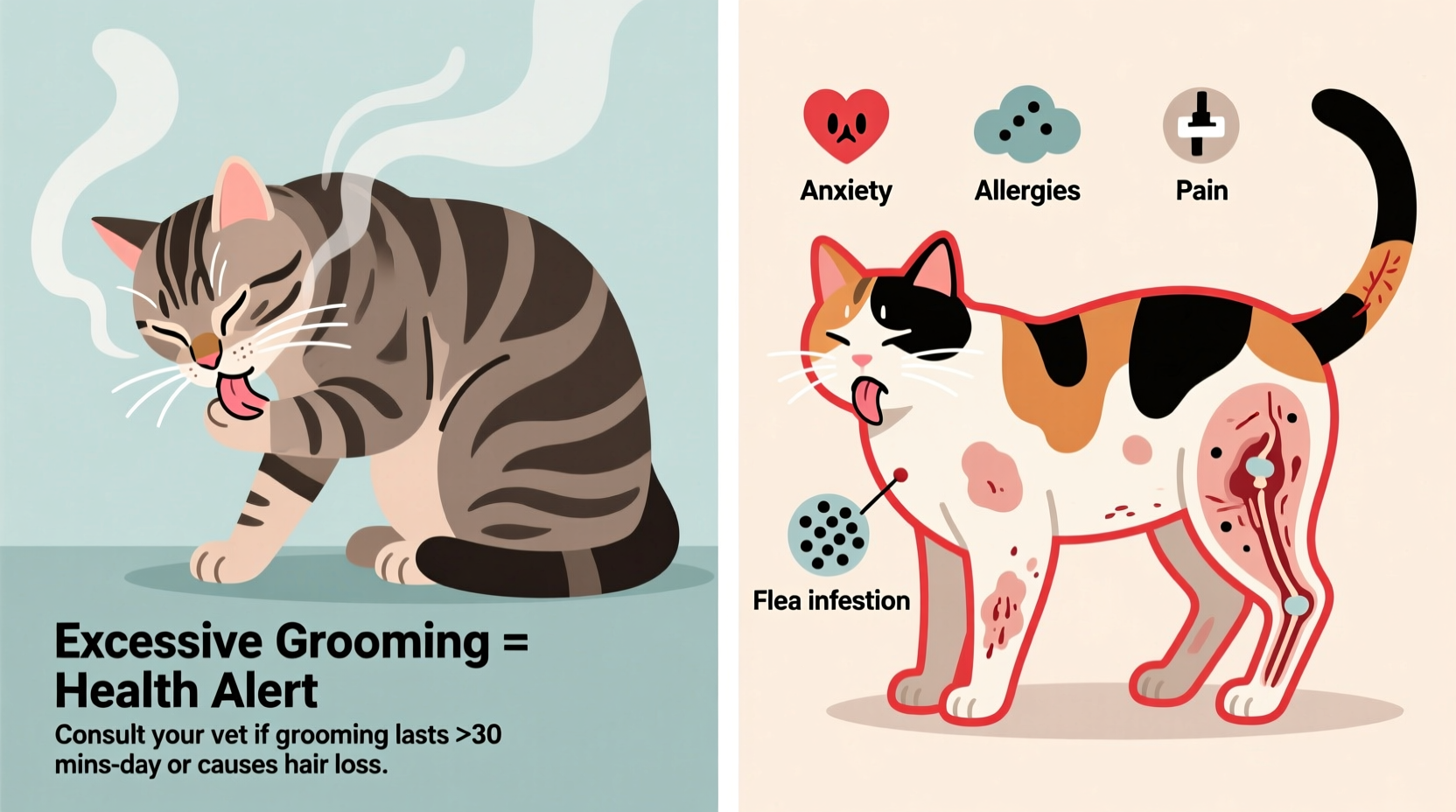
The first step in addressing over-grooming is identifying it. Unlike occasional intense cleaning after eating or exposure to dirt, excessive grooming is repetitive, prolonged, and often focused on specific areas such as the belly, inner thighs, or base of the tail.
Key indicators include:
- Bald patches (alopecia): Smooth, hairless areas with no visible sores may indicate over-licking.
- Skin redness or raw spots: Persistent licking can break the skin barrier, leading to inflammation or infection.
- Increased grooming time: If your cat spends more than 30–50% of the day grooming, it may be excessive.
- Obsessive focus on one area: Repetitive licking or chewing in a single zone often points to discomfort or anxiety.
- Changes in behavior: Agitation, restlessness, or avoidance during interaction may accompany compulsive grooming.
Common Causes Behind Over-Grooming
Excessive grooming rarely occurs without cause. It typically stems from either medical conditions or behavioral issues—sometimes both. Understanding the root is essential for effective treatment.
Medical Causes
Physical discomfort is a frequent driver of over-grooming. Cats cannot verbalize pain, so they may respond to irritation by licking the affected area.
- Allergies: Flea bite hypersensitivity, food allergies, or environmental allergens (e.g., pollen, dust mites) can cause intense itching.
- Skin infections: Bacterial or fungal infections like ringworm lead to irritation and scratching.
- Pain: Arthritis or dental pain may manifest as displacement behavior, including over-grooming.
- Hormonal imbalances: Conditions such as hyperthyroidism can increase activity levels and grooming frequency.
- Parasites: Fleas, mites, or lice provoke scratching and biting, especially along the back and tail.
Behavioral & Psychological Triggers
When medical causes are ruled out, stress and anxiety often take center stage. Cats are sensitive creatures, and changes in routine, environment, or social dynamics can trigger compulsive behaviors.
- Stress from household changes: New pets, moving homes, or renovations can unsettle cats.
- Lack of stimulation: Under-stimulated cats may groom excessively out of boredom.
- Separation anxiety: Some cats develop rituals like over-grooming when left alone.
- Conflict with other pets: Subtle tension between cats in multi-pet households can lead to displacement behaviors.
“Over-grooming is often a symptom, not the disease. A thorough workup—including dermatological, behavioral, and systemic evaluation—is crucial.” — Dr. Lena Torres, Feline Veterinarian & Behavior Specialist
Differentiating Between Medical and Behavioral Causes
Because symptoms overlap, distinguishing between physical and psychological origins requires careful analysis. The table below outlines key differences to help guide initial assessment.
| Factor | Medical Cause | Behavioral Cause |
|---|---|---|
| Onset | Sudden or gradual, often linked to age or exposure | Follows a life change or stressor |
| Location of Hair Loss | Symmetrical or near joints, ears, or tail base | Belly, inner legs, or easily accessible areas |
| Skin Appearance | Red, scaly, infected, or oily | Often normal or mildly irritated |
| Grooming Pattern | Increases after itching or discomfort | Ritualistic, occurs during quiet times or when anxious |
| Response to Treatment | Improves with medication or flea control | Responds to environmental enrichment or anti-anxiety strategies |
Step-by-Step Guide to Addressing Excessive Grooming
If you suspect your cat is over-grooming, follow this structured approach to diagnose and manage the issue effectively.
- Observe and Document: Track grooming episodes, noting time, duration, location, and potential triggers (e.g., after feeding, when alone).
- Inspect the Skin and Coat: Look for fleas, scabs, rashes, or parasites. Part the fur to check for hidden lesions.
- Schedule a Veterinary Visit: Your vet will likely perform skin scrapings, blood tests, allergy panels, or fecal exams to rule out medical issues.
- Implement Flea Prevention: Even if no fleas are seen, use vet-approved monthly treatments to eliminate allergic triggers.
- Adjust the Environment: Reduce stressors by providing safe spaces, consistent routines, and interactive toys.
- Consider Behavioral Support: For anxiety-related cases, pheromone diffusers (like Feliway), calming supplements, or in severe cases, prescription anti-anxiety medication may be recommended.
- Monitor Progress: Reassess every 2–4 weeks. Improvement may take time, especially with behavioral modifications.
Mini Case Study: Bella the Anxious Tabby
Bella, a 4-year-old domestic shorthair, began losing fur on her abdomen and inner thighs six months after her owners adopted a second cat. Despite negative flea and allergy tests, the hair loss worsened. Her veterinarian suspected psychogenic alopecia—a stress-induced condition.
After introducing separate feeding zones, vertical spaces, and a Feliway diffuser, Bella’s grooming decreased significantly within eight weeks. Her owners also started daily play sessions to redirect her energy. By addressing the social tension and enriching her environment, Bella’s coat gradually regrew, and her behavior stabilized.
Checklist: What to Do If Your Cat Is Over-Grooming
- ✅ Observe grooming patterns for at least three days
- ✅ Check for fleas, skin lesions, or parasites
- ✅ Schedule a vet appointment for a full diagnostic workup
- ✅ Update flea and parasite prevention
- ✅ Evaluate recent changes in home environment or routine
- ✅ Provide mental stimulation with toys, climbing structures, and playtime
- ✅ Introduce calming aids like pheromone diffusers if stress is suspected
- ✅ Follow up with your vet if no improvement in 4–6 weeks
Frequently Asked Questions
Is it normal for my cat to groom after eating?
Yes, post-meal grooming is typical. Cats clean their paws and face to remove food residue. However, if the session lasts longer than 10–15 minutes or results in hair pulling, it may be excessive.
Can diet affect my cat’s grooming habits?
Indirectly, yes. Poor nutrition can lead to dry, flaky skin that itches, prompting more licking. Omega-3 fatty acid supplements, under veterinary guidance, may improve skin health and reduce irritation-driven grooming.
Will shaving my cat stop the over-grooming?
No. Shaving does not address the underlying cause and may increase skin sensitivity or distress. In some cases, it worsens the behavior by making the skin more accessible for licking.
Conclusion: Act Early, Care Consistently
Excessive grooming is more than a cosmetic concern—it’s a potential window into your cat’s physical and emotional health. Whether driven by allergies, parasites, or anxiety, persistent over-grooming demands attention. Early recognition and a methodical approach can prevent secondary infections, permanent hair loss, and chronic stress.
By combining veterinary insight with compassionate environmental management, you can restore balance to your cat’s behavior and comfort. Don’t wait for bald patches to become severe. Start observing, documenting, and consulting today—your cat’s well-being depends on it.




 浙公网安备
33010002000092号
浙公网安备
33010002000092号 浙B2-20120091-4
Comments
No comments yet. Why don't you start the discussion?