
Bone bracelets have been worn for centuries across cultures—from spiritual talismans in indigenous communities to fashion statements in modern bohemian circles. Their organic texture, warm coloration, and unique patterning make them highly desirable. However, their popularity has led to a surge in counterfeit versions made from plastic, resin, or low-grade animal byproducts. Distinguishing the real from the replica requires more than a casual glance. Understanding the physical properties of genuine bone, recognizing craftsmanship details, and knowing proper care techniques are essential for collectors, wearers, and ethical buyers alike.
Understanding Genuine Bone: What It Is and Why It Matters
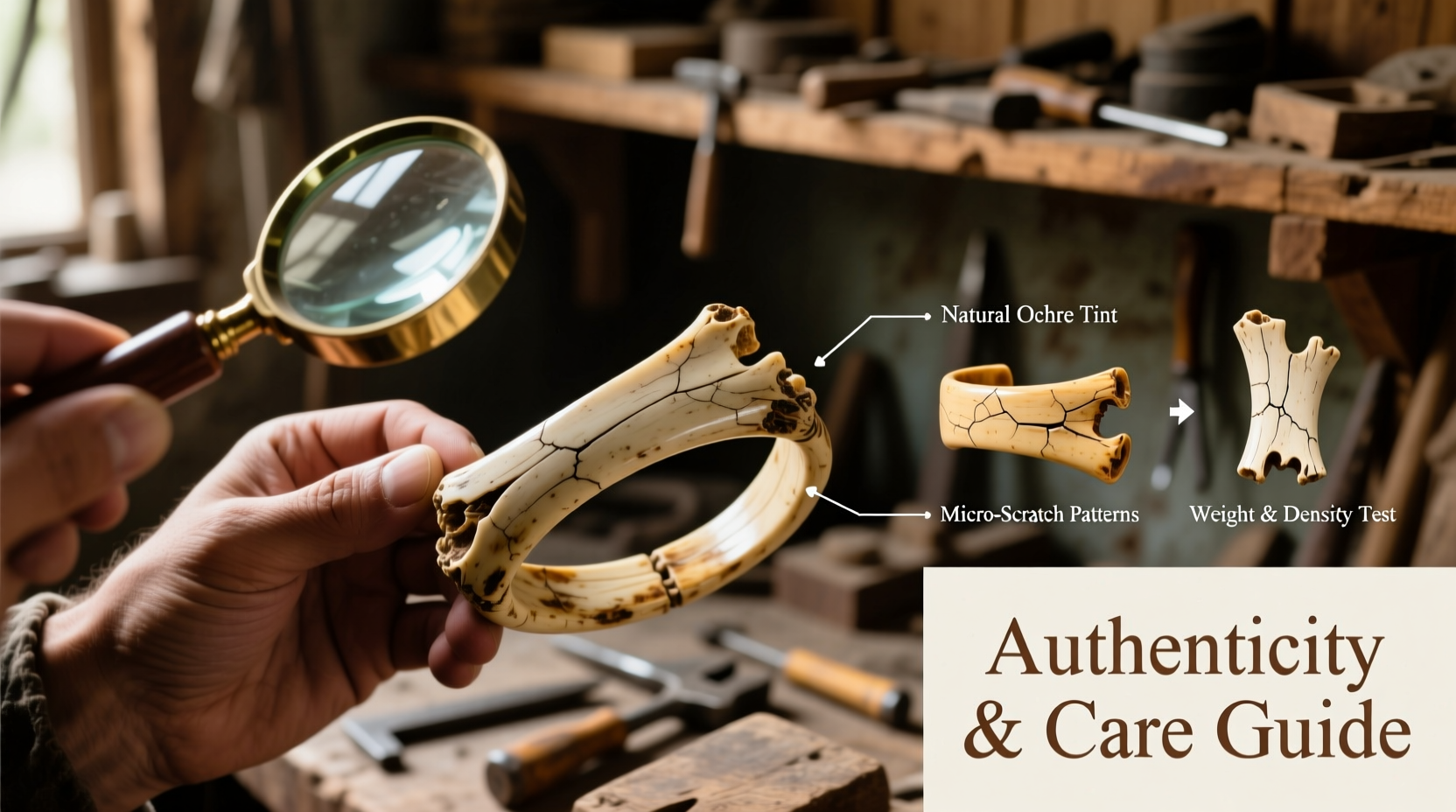
Authentic bone jewelry is typically crafted from ethically sourced animal bones—commonly buffalo, camel, or ox—used as byproducts of food industries. The material is dense, porous, and naturally warm to the touch. Unlike synthetic alternatives, real bone develops a patina over time, deepening in color and acquiring subtle surface variations that reflect its history and use.
The significance of authenticity extends beyond aesthetics. Wearing a genuine piece connects you to traditional craftsmanship and sustainable material use. Conversely, fake bone items often misrepresent cultural heritage and may support exploitative manufacturing practices. For collectors and spiritually inclined wearers, authenticity ensures energetic integrity and symbolic value.
5 Key Methods to Identify Genuine Bone Bracelets
Detecting authenticity involves sensory observation, simple tests, and attention to detail. Here are five reliable identification methods:
- Check the Weight and Temperature: Real bone is heavier than plastic or resin and feels cool at first touch, gradually warming to body temperature. Fakes tend to be lightweight and remain room-temperature regardless of contact.
- Examine the Surface Texture: Genuine bone displays natural grain patterns, tiny pores, and slight irregularities. Run your finger along the surface—real bone will feel subtly textured, not perfectly smooth like plastic.
- Inspect Color Variation: Authentic bone shows subtle shifts in tone—creams, tans, and light browns—with occasional darker streaks. Uniform coloring is a red flag; mass-produced fakes lack natural variation.
- Perform the Hot Needle Test (With Caution): Heat a needle until red-hot and gently touch an inconspicuous area. Real bone will smell like burnt hair or meat and resist melting. Plastic or resin will melt and emit a chemical odor. Note: This test can damage the piece—use only if necessary and on hidden spots.
- Look for Hand-Carving Marks: Most authentic bone bracelets are hand-carved. Look for minor asymmetries, tool marks, or uneven engraving. Machine-made perfection suggests a synthetic origin.
“Bone is alive in a way synthetics aren’t—it breathes, reacts to oils, and evolves. That’s what makes it sacred and worth preserving correctly.” — Dr. Lena Patel, Ethnographic Jewelry Conservator
Care and Maintenance: Preserving Your Bone Bracelet’s Integrity
Proper care ensures longevity and enhances the bracelet’s natural beauty. Bone is durable but sensitive to environmental stressors. Follow these best practices to maintain condition:
- Avoid prolonged exposure to water, especially chlorinated or saltwater, which can cause cracking or discoloration.
- Remove the bracelet before applying lotions, perfumes, or cleaning agents, as chemicals degrade the surface over time.
- Store in a soft cloth pouch away from direct sunlight to prevent fading and drying.
- Condition occasionally with a small amount of mineral oil or beeswax using a lint-free cloth. Apply sparingly every 3–6 months.
- Never use alcohol-based cleaners or ultrasonic jewelry cleaners.
Do’s and Don’ts: A Quick Reference Table
| Do’s | Don’ts |
|---|---|
| Store in a breathable fabric pouch | Store in sealed plastic bags (traps moisture) |
| Wipe clean with a dry, soft cloth | Soak in water or detergent |
| Condition with natural oils every few months | Use commercial jewelry cleaners |
| Rotate wear to avoid constant friction | Wear during swimming, showering, or exercise |
| Inspect regularly for cracks or looseness | Expose to extreme heat or cold |
Real-World Example: How One Collector Avoided a Costly Fake
Sophie, a collector from Portland, was drawn to a striking carved bone bracelet sold online for $45—a price that seemed too good for such intricate work. She requested additional photos and noticed the carvings were perfectly symmetrical, and the seller couldn’t confirm the bone source. Skeptical, she performed the hot needle test on a small internal edge after purchase. The material melted and emitted a sharp plastic smell. She returned the item and later found a similar genuine piece from a verified artisan for $120. Though more expensive, it had weight, texture, and certification of origin. Her experience underscores the importance of due diligence—even when buying from seemingly reputable platforms.
Step-by-Step Guide to Verifying and Caring for Your Bone Bracelet
Follow this timeline to authenticate and maintain your piece:
- Day 1 – Initial Inspection: Examine weight, texture, and color under natural light. Check for manufacturer stamps or artisan marks.
- Day 2 – Sensory Testing: Feel the temperature and run a fingernail lightly across the surface for resistance. Listen for a dull tap when gently tapped against glass (bone sounds muted; plastic rings).
- Week 1 – Wear Test: Wear briefly and observe any reactions—itching or discoloration may indicate synthetic coatings.
- Month 1 – Conditioning: Apply a drop of mineral oil on a cloth and buff gently. Allow to absorb overnight.
- Ongoing – Monthly Maintenance: Inspect for cracks, clean with dry cloth, and recondition if the surface looks dry.
Frequently Asked Questions
Can bone bracelets be resized?
No, resizing is extremely difficult without compromising structural integrity. Bone is brittle and prone to cracking under pressure. Choose the correct size at purchase or opt for adjustable cord designs.
Are all white bracelets made of bone?
No. Many white bracelets are made from synthetic resins, alabaster, or even pressed bone dust mixed with glue. True bone has natural imperfections and warmth in hue, unlike stark, uniform whites.
Is it ethical to wear bone jewelry?
Yes, when sourced responsibly. Look for sellers who confirm the bone is a byproduct of food industries and not linked to poaching or endangered species. Certifications or artisan partnerships add transparency.
Final Thoughts: Honor the Craft, Protect the Authentic
Identifying and caring for genuine bone bracelets is more than a practical skill—it’s a form of respect. Respect for the animal, the artisan, and the cultural traditions behind the craft. With heightened awareness, thoughtful purchasing habits, and consistent maintenance, your bone bracelet can become a lifelong heirloom. Whether worn for style, spirituality, or symbolism, its authenticity gives it depth no imitation can replicate.




 浙公网安备
33010002000092号
浙公网安备
33010002000092号 浙B2-20120091-4
Comments
No comments yet. Why don't you start the discussion?