
A watch is more than a timepiece—it’s a statement of style, precision, and personal taste. But even the finest timepiece can lose its appeal with a low-quality strap. Leather watch straps, in particular, offer elegance, comfort, and aging potential that improves over time. Yet, the market is flooded with imitations labeled as “genuine leather” that are anything but authentic. Understanding how to distinguish real from fake isn’t just about avoiding deception—it’s about investing in durability, comfort, and craftsmanship.
The Problem with Fake Leather Straps
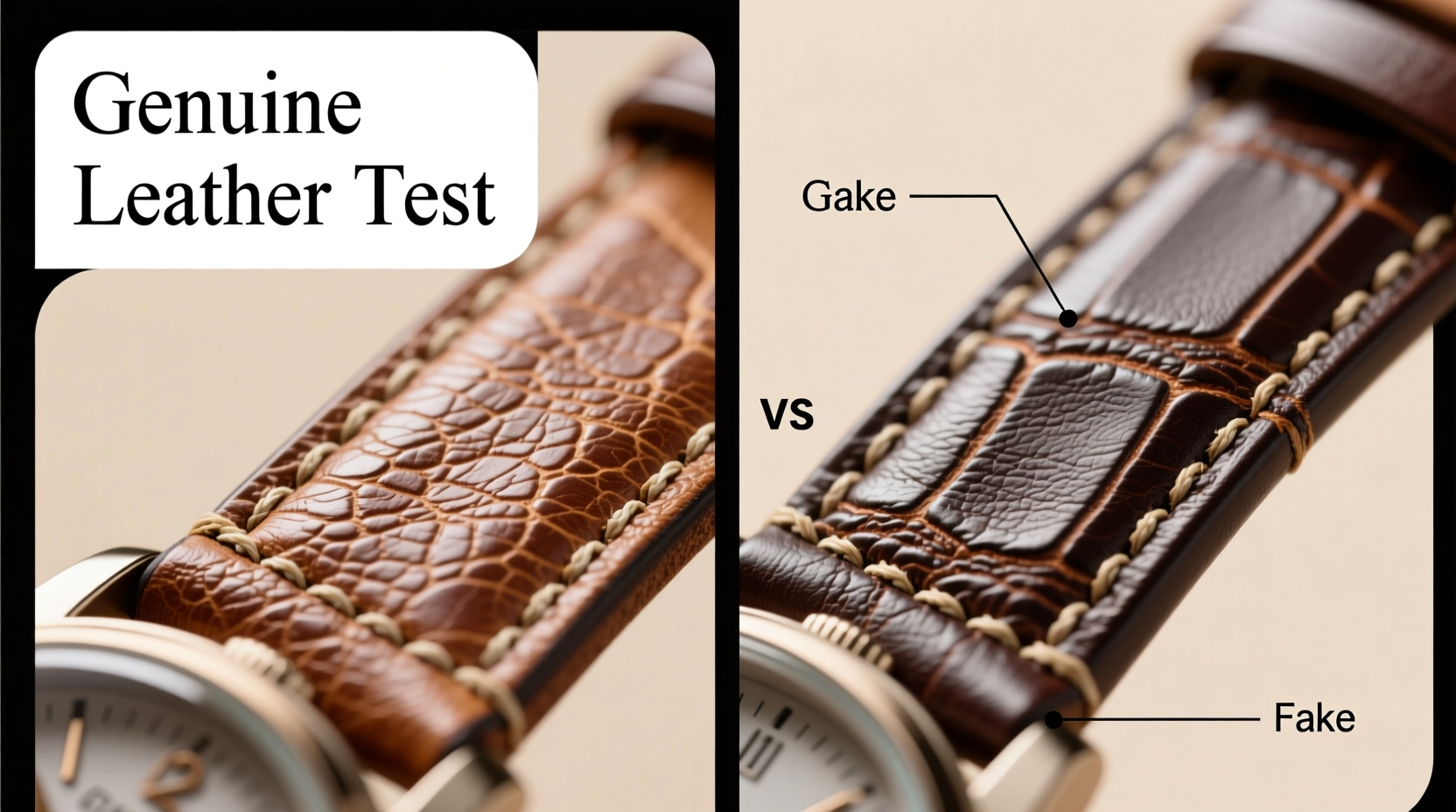
Many consumers assume that if a label says “genuine leather,” it must be high quality. In reality, “genuine leather” is a broad category that includes the lowest grades of real leather—often made from leftover scraps bonded with polyurethane or adhesives. These straps may look convincing at first glance but tend to crack, peel, and deteriorate within months.
Fake leather, often marketed as “PU leather” or “synthetic leather,” mimics the appearance of real leather but lacks breathability, flexibility, and natural texture. Worse, some brands use misleading terms like “top grain” or “full grain” without verification. This confusion costs buyers both money and satisfaction.
How to Identify Genuine Leather: 5 Key Indicators
Authentic leather has unique characteristics that synthetic or low-grade alternatives can’t replicate. Use these five indicators to make an informed decision.
- Smell: Real leather has a rich, earthy aroma—distinctive and pleasant. Faux leather often emits a sharp chemical or plastic odor, especially when new.
- Texture and Grain: Natural leather has irregular grain patterns. No two areas look exactly alike. If the texture appears too uniform, it’s likely embossed onto synthetic material.
- Edge Finish: Examine the cut edge of the strap. Genuine leather edges are fibrous and slightly rough. Synthetic edges are smooth, sealed, and often painted to resemble leather fibers.
- Water Absorption Test: Place a single drop of water on the surface. Genuine leather absorbs moisture slowly, darkening the area. Fake leather beads up the water or resists absorption entirely.
- Burn Test (Use Caution): A small snip from an inconspicuous area can be held near a flame. Real leather curls and smells like burning hair. Synthetic materials melt and emit a plastic smell.
“Leather is a natural product with character. Its imperfections are proof of authenticity.” — Daniel Reyes, Master Watch Strap Artisan, Geneva
Understanding Leather Grades: What Labels Really Mean
Not all real leather is created equal. The term “genuine leather” is often misunderstood. Here’s a breakdown of common classifications:
| Leather Type | Description | Durability | Best For |
|---|---|---|---|
| Full-Grain Leather | The highest quality; includes the entire grain layer with natural markings. Develops a rich patina over time. | ★★★★★ | Luxury watches, daily wear, long-term investment |
| Top-Grain Leather | Sanded and refinished to remove imperfections. Slightly less durable than full-grain. | ★★★★☆ | Formal watches, moderate use |
| Genuine Leather | Made from lower layers of hide, often split and bonded. May have a printed grain. | ★★☆☆☆ | Budget options, occasional wear |
| Faux/PU Leather | Synthetic material designed to mimic leather. No animal origin. | ★☆☆☆☆ | Short-term use, fashion statements |
When shopping, prioritize full-grain or top-grain leather from reputable tanneries such as Horween, Tärnsjö, or Haas. These suppliers are known for transparency and sustainable practices.
Step-by-Step Guide to Choosing a Quality Leather Strap
Selecting the right strap involves more than just material inspection. Follow this practical sequence to ensure you’re making a smart purchase.
- Check the Brand Transparency: Reputable sellers disclose the leather type, tannery source, and manufacturing location. Avoid vague descriptions like “premium leather” without specifics.
- Inspect Stitching: Look for saddle stitching or reinforced machine stitching. Loose threads or uneven lines suggest poor craftsmanship.
- Evaluate Lining: The underside should match the top in quality. Split leather or synthetic linings reduce longevity.
- Test Flexibility: Bend the strap gently. High-quality leather flexes smoothly without creasing sharply. Stiffness may indicate over-processing or synthetic coating.
- Verify Thickness and Fit: Standard thickness ranges from 2.5mm to 3.5mm. Too thin (<2mm) suggests fragility; too thick (>4mm) may not fit lugs properly.
- Read Reviews: Look for long-term user feedback mentioning durability, comfort, and color aging.
Real Example: How One Buyer Avoided a Costly Mistake
Mark, a collector based in Toronto, purchased a vintage-style automatic watch online. It came with a “genuine leather” strap priced at $25. Within six weeks, the surface began flaking near the buckle, revealing a grayish underlayer. Upon closer inspection, he noticed the edges were perfectly smooth and the grain pattern repeated every inch—telltale signs of PU leather.
He replaced it with a full-grain strap from a specialist brand using Tuscan vegetable-tanned leather. After a year of daily wear, the new strap developed a warm patina, conformed perfectly to his wrist, and showed no signs of wear. The lesson? Initial cost savings on straps often lead to higher long-term expenses.
Checklist: Before You Buy a Leather Watch Strap
- ✅ Confirmed full-grain or top-grain leather (not just “genuine”)
- ✅ Natural grain pattern with slight imperfections
- ✅ Earthy, leathery smell (no chemical odor)
- ✅ Water droplet is absorbed within seconds
- ✅ Stitching is tight, waxed thread preferred
- ✅ Edges are rough-finished or hand-painted, not plastic-sealed
- ✅ Brand provides tannery or sourcing information
- ✅ Fits lug width (e.g., 20mm, 22mm) precisely
Frequently Asked Questions
Is genuine leather the same as real leather?
No. “Real leather” means it contains animal hide, but “genuine leather” refers to a specific, lower grade. Full-grain and top-grain are superior categories under the broader “real leather” umbrella.
Can I restore a cracked leather strap?
Minor surface cracks can be treated with leather conditioner and dye, but deep fissures usually mean replacement is necessary. Prevention through regular conditioning (every 2–3 months) is far more effective.
Do leather straps work in humid climates?
Yes, but with care. High humidity can promote mold if straps aren’t dried properly after sweating. Rotate straps regularly and avoid wearing the same one daily in tropical environments.
Final Thoughts: Invest in Quality, Not Just Appearance
A watch strap is not disposable—it’s part of your daily ritual. A well-chosen leather strap enhances comfort, ages beautifully, and reflects attention to detail. By learning to spot the signs of authenticity and understanding what goes into quality craftsmanship, you protect your investment and elevate your experience.
Don’t settle for labels. Touch, smell, test, and question. The best straps reward patience and discernment. Whether you're upgrading a cherished timepiece or building a collection, let integrity guide your choice.




 浙公网安备
33010002000092号
浙公网安备
33010002000092号 浙B2-20120091-4
Comments
No comments yet. Why don't you start the discussion?