
Not all t-shirts are created equal. While two shirts may look identical on the surface, their performance, comfort, and longevity can differ drastically based on the fabric used. Premium t-shirt materials offer superior softness, breathability, shape retention, and durability—qualities that justify their higher price point. Knowing how to distinguish these high-quality fabrics from lower-grade alternatives empowers you to make informed purchases and build a more sustainable, comfortable wardrobe.
Understanding Fabric Composition: What’s in Your T-Shirt?
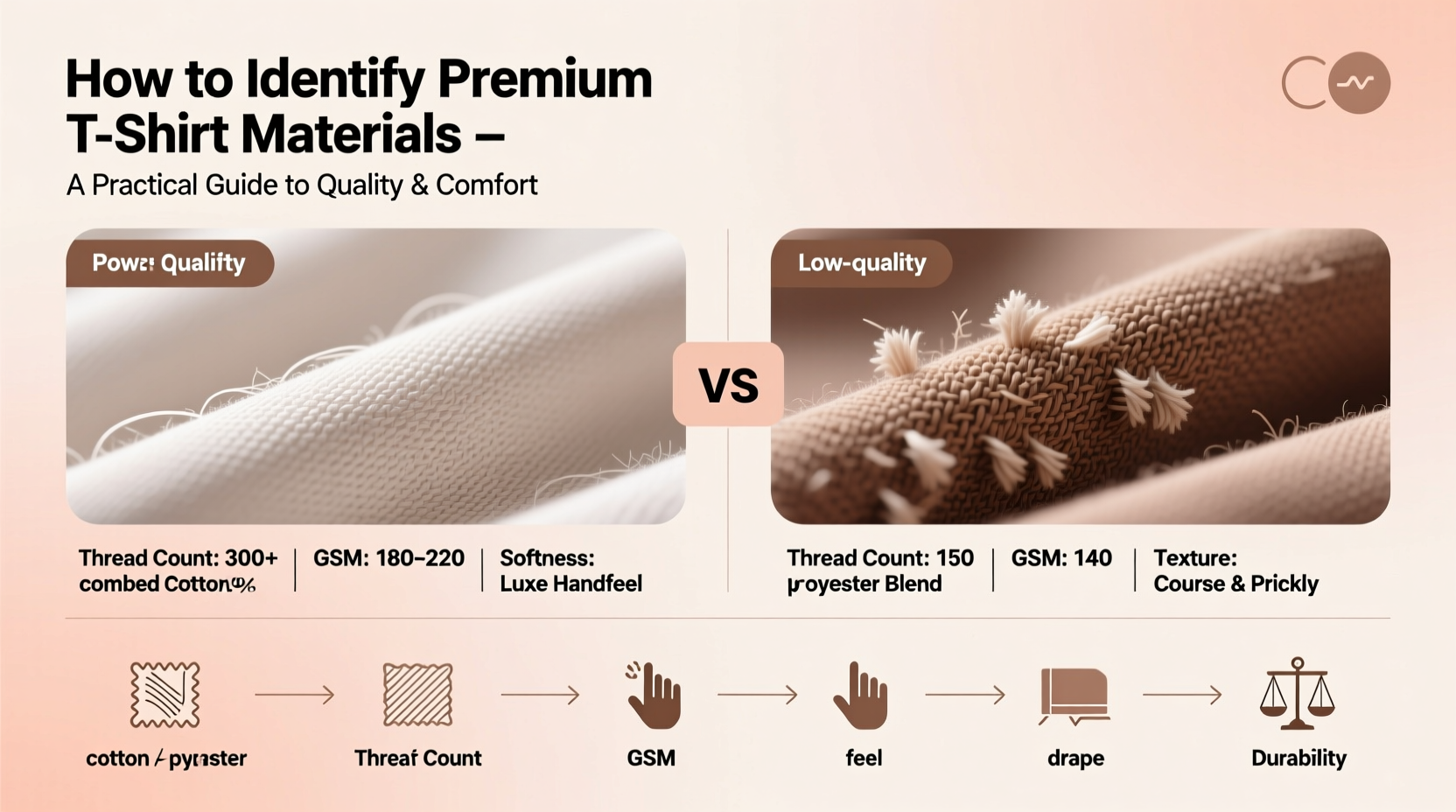
The foundation of any quality t-shirt lies in its material composition. Most t-shirts are made from cotton, polyester, or a blend of both. However, not all cotton is the same, and synthetic blends vary widely in performance.
Natural fibers like cotton are breathable and soft against the skin, making them ideal for everyday wear. High-end t-shirts often use long-staple cotton varieties such as Pima, Supima®, or Egyptian cotton. These fibers are longer and finer than standard upland cotton, resulting in smoother, stronger, and more lustrous yarns.
Polyester, while less breathable, adds durability and wrinkle resistance. When blended with cotton (typically in ratios like 60/40 cotton-poly), it can enhance structure and reduce shrinkage. However, low-quality polyester can feel plasticky and trap heat.
Fabric Weave and Knit Types That Define Comfort
Beyond fiber type, the way the fabric is constructed plays a crucial role in comfort and drape. Most t-shirts use one of two knit types: jersey or piqué.
- Jersery knit – The most common type, known for its soft, slightly stretchy texture. It’s lightweight and smooth but can pill over time if made from short-staple cotton.
- Piqué knit – Features a textured, waffle-like surface. Often used in polo shirts, it offers better airflow and a more structured fit.
- Single jersey vs. double-knit – Double-knit fabrics are denser, more opaque, and less prone to stretching out, making them a hallmark of premium construction.
A tightly knit fabric with even stitching indicates better craftsmanship. Hold the shirt up to the light—if you see excessive gaps between threads, it’s likely thin and less durable.
Signs of Premium Material Quality
Identifying high-quality t-shirt fabric involves more than reading labels. Use your senses and a few simple tests to assess what you’re buying.
- Touch and Softness – Run your fingers over the fabric. Premium cotton feels luxuriously soft without being slippery or greasy (a sign of chemical coatings).
- Weight and Density – High-quality t-shirts usually have a heavier GSM (grams per square meter). A range of 180–220 GSM is ideal for everyday wear—light enough to breathe, heavy enough to last.
- Sheen and Luster – Long-staple cotton reflects light evenly, giving it a subtle natural sheen. Dull, lifeless fabric often indicates short fibers or poor processing.
- Stitching and Seam Finish – Look for flatlock or coverstitch seams. These are stronger and more flexible than basic chain stitches, reducing irritation and preventing unraveling.
- Minimal Shrinkage – Pre-shrunk or ring-spun cotton resists shrinking after washing. Check product details for these terms.
“Fabric quality isn’t just about feel—it’s about performance over time. A well-made t-shirt should retain its shape, color, and softness after dozens of washes.” — Daniel Reyes, Textile Engineer and Apparel Consultant
Material Comparison: Common T-Shirt Fabrics Ranked
| Fabric Type | Softness | Breathability | Durability | Best For |
|---|---|---|---|---|
| Supima® Cotton | ★★★★★ | ★★★★☆ | ★★★★★ | Daily wear, luxury basics |
| Pima Cotton | ★★★★☆ | ★★★★☆ | ★★★★☆ | Soft tees, warm climates |
| Organic Cotton | ★★★★☆ | ★★★★★ | ★★★☆☆ | Eco-conscious buyers |
| Ring-Spun Cotton | ★★★★☆ | ★★★★☆ | ★★★★☆ | Everyday comfort with longevity |
| Standard Cotton Blend | ★★★☆☆ | ★★★☆☆ | ★★☆☆☆ | Budget-friendly basics |
| Polyester (100%) | ★★☆☆☆ | ★☆☆☆☆ | ★★★★☆ | Performance wear (not ideal for daily tees) |
Real-World Example: Choosing Between Two Seemingly Identical Tees
Imagine standing in a store comparing two plain white t-shirts. Both are labeled “100% cotton,” priced $25 and $45 respectively. At first glance, they appear nearly identical.
The $25 shirt feels slightly rough, has a looser weave, and wrinkles easily when bunched. The tag mentions “upland cotton” and “standard jersey knit.” After a few washes, it shrinks noticeably and begins to pill around the collar.
The $45 shirt, in contrast, has a smoother, denser hand-feel with a subtle sheen. The tag specifies “Supima® cotton, ring-spun, 200 GSM.” It maintains its shape, resists pilling, and remains soft after months of regular use.
This scenario illustrates why material origin and processing matter. The investment in the premium shirt pays off in longevity and comfort.
Step-by-Step Guide: How to Evaluate a T-Shirt Before Buying
- Read the Label – Identify the fiber content. Prioritize 100% long-staple cotton or high-cotton blends with ring-spun yarns.
- Feel the Fabric – Rub the inside against your wrist. It should feel soft, smooth, and substantial—not thin or scratchy.
- Check the Weight – Compare shirts by holding them. Heavier doesn’t mean bulky—it means denser weave and better durability.
- Inspect the Seams – Look for reinforced stitching, clean finishes, and consistent thread color. Avoid loose threads or uneven hems.
- Stretch Test – Gently pull the fabric horizontally. It should snap back into place without distortion. Poor elasticity suggests weak fibers or loose knitting.
- Examine Color Depth – Rich, even dyeing indicates quality processing. Patchy or faded areas suggest rushed production.
Common Myths About T-Shirt Materials
- Myth: All cotton is breathable. – While cotton is naturally breathable, tightly woven or heavily treated cotton can restrict airflow.
- Myth: Softness equals quality. – Some cheap fabrics are chemically softened to mimic premium feel but degrade quickly after washing.
- Myth: Blends are inferior. – Thoughtful blends (like cotton-modal or cotton-merino) can enhance moisture-wicking, stretch, and temperature regulation.
FAQ
What does “ring-spun cotton” mean?
Ring-spun cotton is processed by twisting and thinning cotton fibers into a fine, strong yarn. This results in a softer, more durable fabric that resists pilling and wears better over time compared to open-end spun cotton.
Is organic cotton always better?
Organic cotton is grown without synthetic pesticides and is more sustainable. However, it isn’t inherently softer or stronger than conventional long-staple cotton. Its value lies in environmental and ethical benefits rather than tactile superiority.
How do I care for premium t-shirts to extend their life?
Wash in cold water on a gentle cycle, turn inside out to protect the surface, and air dry or tumble dry low. Avoid bleach and fabric softeners, which break down fibers and coatings over time.
Final Checklist: Is This T-Shirt Worth It?
- ✅ Fiber content is 90–100% long-staple cotton (Pima, Supima®, Egyptian)
- ✅ Fabric weight is between 180–220 GSM
- ✅ Knit is tight and even with no visible holes or inconsistencies
- ✅ Seams are double-stitched or flatlocked
- ✅ No strong chemical odor (indicates excessive finishing agents)
- ✅ Holds its shape when stretched
Conclusion
Choosing a premium t-shirt goes beyond brand names or price tags. It’s about understanding fabric science, recognizing construction details, and prioritizing long-term value over short-term savings. By learning to identify high-quality materials—from fiber type to knit density—you invest in comfort, durability, and sustainability. Next time you shop, apply these insights to build a wardrobe of t-shirts that don’t just look good, but feel exceptional and last for years.




 浙公网安备
33010002000092号
浙公网安备
33010002000092号 浙B2-20120091-4
Comments
No comments yet. Why don't you start the discussion?