
The early 2000s were a cultural reset—bold colors, futuristic optimism, and a digital aesthetic that bled into fashion, music, and toys. Among the most nostalgic artifacts of this era are plush dolls, which captured the spirit of the millennium with glitter, rhinestones, and playful exaggeration. For collectors and fans today, identifying true Y2K-style plush dolls isn't just about nostalgia—it's about recognizing a distinct design language rooted in the aesthetics of a specific moment in time. This guide breaks down the visual, material, and thematic markers that define Y2K plush dolls, helping you authenticate, appreciate, and curate your collection with confidence.
Understanding the Y2K Aesthetic in Context
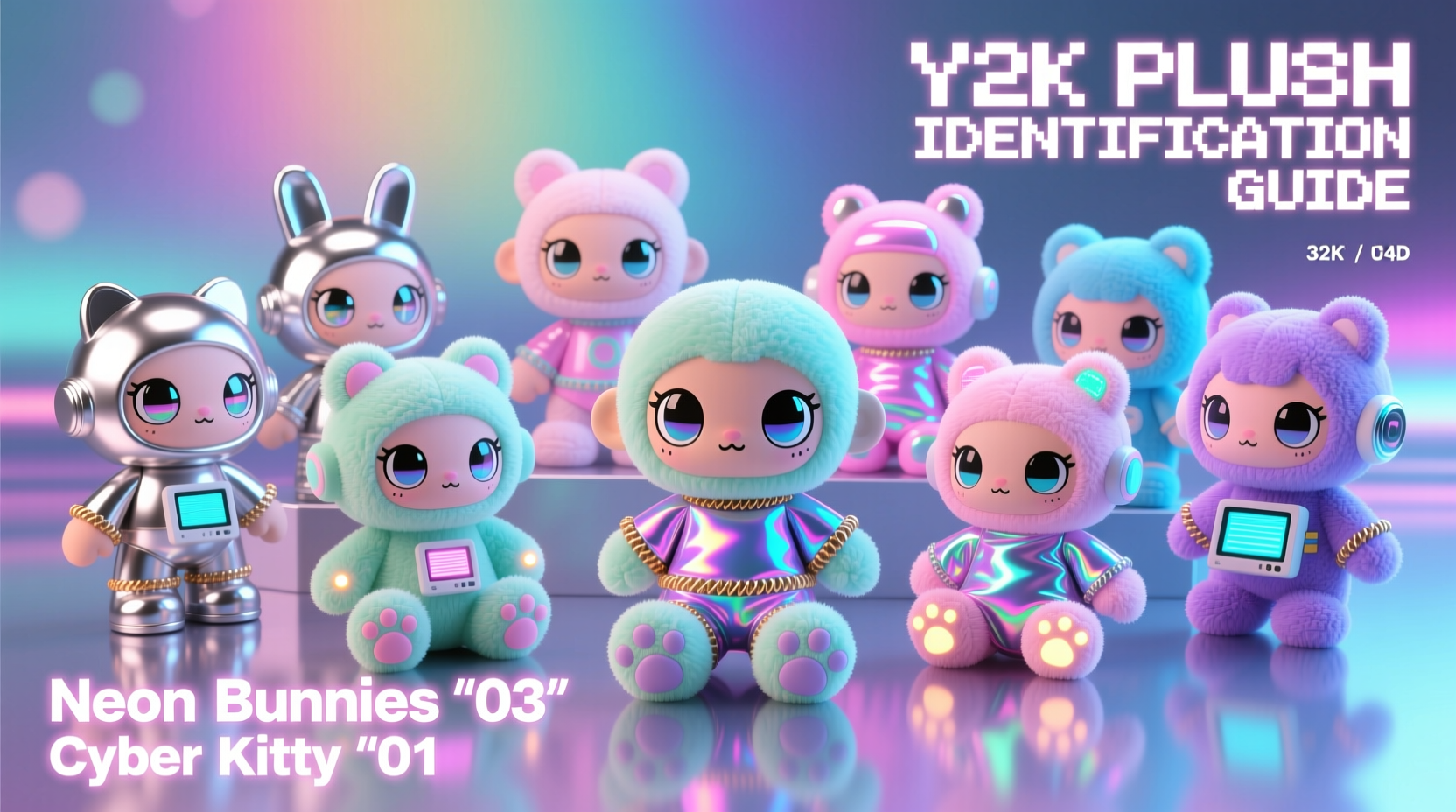
The term “Y2K” originally referred to the year 2000 and the global anxiety over potential computer failures due to date formatting errors. But culturally, it evolved into a broader design movement defined by optimism, futurism, and playful excess. In fashion and toy design, this translated into metallic fabrics, holographic finishes, butterfly motifs, and an overall sense of whimsical tech-inspired glamour.
Plush dolls from this period absorbed these influences, blending softness with sparkle. Unlike traditional stuffed animals designed solely for comfort, Y2K plushes often doubled as fashion accessories or collectible novelties. They were marketed not only to children but also to teens and young adults who embraced the era’s pop culture icons like Britney Spears, *The Matrix*, and Tamagotchis.
“Y2K wasn’t just a look—it was a mood. Plush dolls from that time reflect the excitement of entering a new millennium with bold colors, shiny textures, and characters that felt both cute and slightly alien.” — Lila Tran, Vintage Toy Curator & Author of *Millennial Memorabilia*
Key Visual and Material Indicators of Y2K Plush Dolls
To accurately identify a Y2K-style plush doll, focus on five core characteristics: color palette, fabric choices, embellishments, character design, and branding.
1. Color Palette: Electric and Iridescent
Y2K plush dolls favor high-contrast, saturated hues. Think electric blue, hot pink, lime green, and silver—not muted pastels or earth tones. Many feature gradient effects or dual-tone coloring, especially in hair or clothing elements.
2. Fabric Choices: Shiny and Synthetic
Matte cotton or wool blends are rare in authentic Y2K plushes. Instead, look for:
- Metallic or satin-like outer fabrics
- Holographic or iridescent patches
- Faux fur with unnatural colors (e.g., purple or teal)
- PVC-coated accents or vinyl detailing
3. Embellishments: Glitter, Rhinestones, and Sequins
No Y2K plush is complete without sparkle. Common decorative features include:
- Glitter-infused fabric or glued-on glitter zones
- Rhinestone eyes or belly buttons
- Sequined wings, halos, or accessories
- Butterfly, star, or heart-shaped appliqués
Distinguishing Design Themes and Characters
Beyond materials, the subject matter of the plush can help confirm its Y2K origin. The era favored fantasy hybrids, cartoonish exaggeration, and cross-media branding.
Common Character Archetypes
- Cyber Critters: Animals with robotic parts, antennae, or glowing eyes.
- Fairy-Futurists: Winged creatures wearing mini sunglasses or metallic tutus.
- Kawaii Monsters: Cute yet strange beings with oversized heads and multiple eyes.
- Pop Culture Tie-Ins: Plushes based on early 2000s cartoons (*Lizzie McGuire*, *Kim Possible*) or music icons.
Many Y2K plush dolls also feature removable accessories—tiny backpacks, light-up wands, or interchangeable hats—which reflects the era’s emphasis on customization and interactivity.
Authenticity Checklist: Is Your Plush Truly Y2K?
Use this checklist to evaluate whether a plush doll fits the Y2K profile. Check off each confirmed trait:
- Produced between 1998–2005 (check tags or manufacturer stamps)
- Features at least two of the following: glitter, rhinestones, holographic fabric
- Uses bright, non-naturalistic colors (e.g., neon green fur)
- Has fantasy or sci-fi themed design (angels, aliens, robots)
- Includes brand labels from known Y2K toy companies (Ty Inc., Ganz, Mattel, Jakks Pacific)
- Comes with original packaging showing millennium-era graphics (butterflies, stars, chrome text)
- Shows signs of older polyester stuffing (slightly lumpy, less resilient than modern memory foam fills)
If five or more items apply, the doll is likely a genuine Y2K piece. Fewer than three suggests a modern reproduction or unrelated vintage item.
Spotting Reproductions and Modern Imitations
With the resurgence of Y2K fashion, many manufacturers now produce plush dolls styled after the 2000s—but they lack the authenticity of originals. Key differences include:
| Feature | Original Y2K Plush (1998–2005) | Modern Imitation (2020s) |
|---|---|---|
| Fabric Quality | Thinner synthetic fabrics, prone to pilling | Higher-density plush, smoother finish |
| Embellishments | Hand-glued rhinestones, uneven placement | Machine-set, uniform patterns |
| Stuffing | Loose polyester fiberfill, flattens easily | Denser, form-retaining fill |
| Labeling | Sewn-in fabric tags with care instructions | Printed hangtags, QR codes, or minimalist branding |
| Color Fade | Noticeable fading in reds and pinks | Vibrant, unfaded hues |
Reproductions often use safer, more durable materials and avoid excessive glitter due to choking hazards and environmental concerns—making them visually cleaner but historically inaccurate.
Real Example: Identifying a \"Glow Wormz\" Plush
Consider Sarah, a collector in Portland who found a glowing-eyed caterpillar plush at a thrift store. At first glance, it looked like a recent toy. But upon inspection, she noticed:
- A Ty Inc. swing tag dated 2001
- Faded pink stitching around the eyes
- Peeling holographic vinyl on its back segments
- Lumpy stuffing consistent with early 2000s standards
Frequently Asked Questions
Are all glittery plush dolls from the 2000s considered Y2K style?
Not necessarily. While glitter is a hallmark of the style, true Y2K plushes combine sparkle with specific design themes (futurism, fantasy) and production timelines (late '90s to mid-2000s). A glittery unicorn from 2018 mimics the look but lacks historical context.
Can I clean a Y2K plush without damaging it?
Proceed with caution. Hand-wash only with mild detergent, avoiding direct scrubbing on embellishments. Air dry flat away from sunlight. Never machine wash—this can dislodge rhinestones and degrade aged fabric.
Where should I look for authentic Y2K plush dolls?
Check estate sales, vintage toy stores, and online marketplaces like eBay or Etsy using filters for 1998–2005. Join collector groups on Facebook or Reddit (e.g., r/Y2Kfashion or r/PlushCollectors) for leads and authentication help.
Preserving and Displaying Your Collection
Once identified, protect your Y2K plush dolls from degradation. UV light fades vibrant dyes, while humidity encourages mold in old stuffing. Store them in display cases away from windows, or rotate them seasonally to minimize exposure. For long-term storage, wrap in acid-free tissue paper and place in breathable cotton bags.
Conclusion
Identifying Y2K-style plush dolls goes beyond surface-level sparkle—it’s about understanding the cultural fingerprint of a transformative era. From iridescent fabrics to fantastical designs, every detail tells a story of technological hope and creative exuberance. Whether you’re building a curated collection or rediscovering childhood treasures, applying these identification principles will deepen your appreciation and ensure authenticity. The Y2K aesthetic isn’t just trending again; it’s being preserved, one glittery plush at a time.




 浙公网安备
33010002000092号
浙公网安备
33010002000092号 浙B2-20120091-4
Comments
No comments yet. Why don't you start the discussion?