
The scent of pine, cinnamon, and citrus is inseparable from the Christmas season. These natural fragrances evoke warmth, nostalgia, and comfort—qualities that enhance any holiday gathering. Traditionally, people relied on scented candles or simmer pots to fill their homes with seasonal aromas. However, when decorating a Christmas tree, open flames pose a serious fire hazard, especially near dry evergreens and flammable ornaments.
Luckily, modern alternatives allow you to enjoy the benefits of aromatherapy safely. By integrating diffuser-inspired elements directly into your tree’s design, you can create a naturally scented centerpiece without compromising safety. This guide explores practical, fire-free methods to weave aromatic wellness into your holiday decor using essential oils, botanicals, and clever design techniques.
Why Avoid Open Flames Near Your Tree?
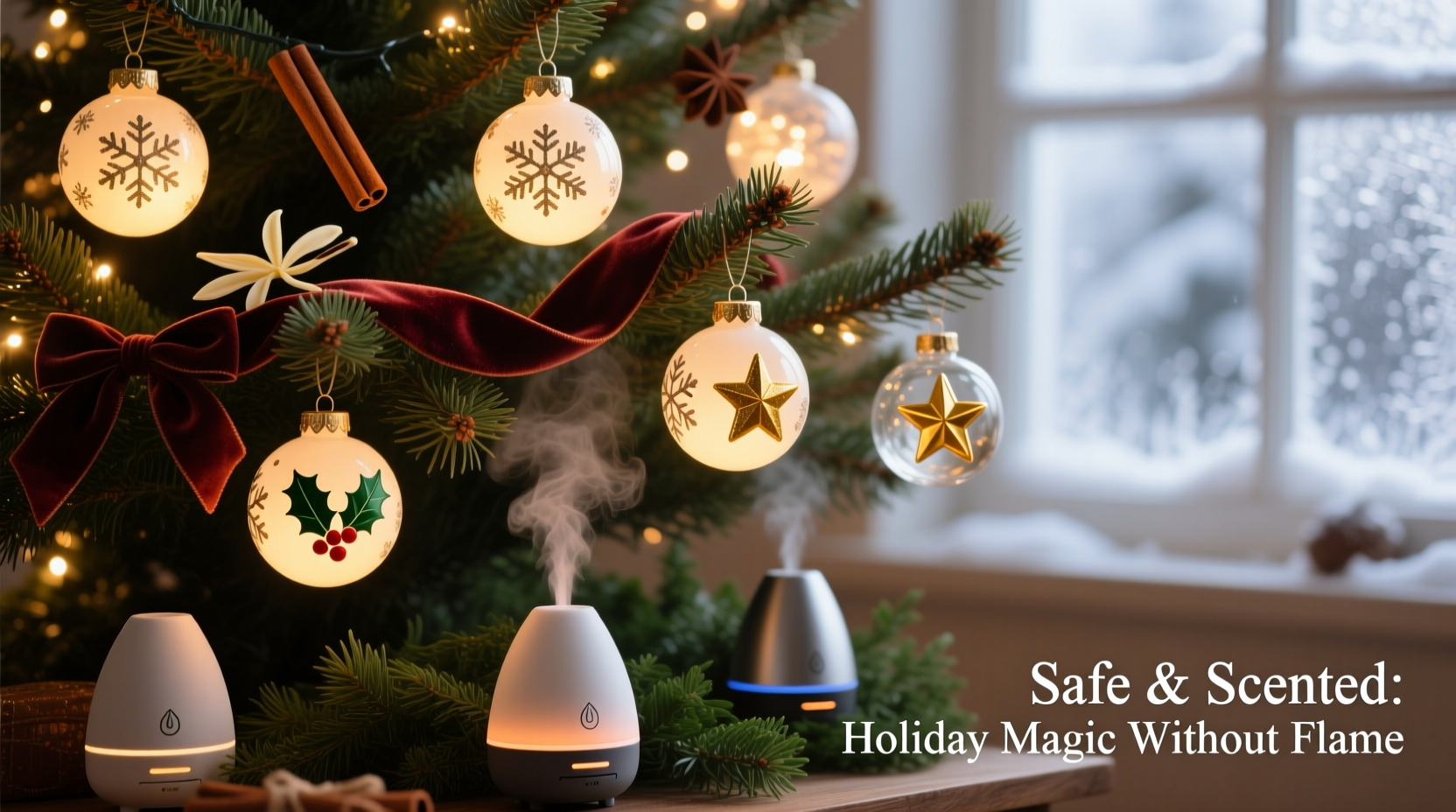
According to the National Fire Protection Association (NFPA), between 2016 and 2020, U.S. fire departments responded to an average of 160 home fires per year that started with a Christmas tree. While these numbers have declined due to increased use of LED lights and fire-resistant materials, the risk remains significant—particularly when heat sources like candles are placed too close to trees.
Dry Christmas trees can ignite in under 30 seconds when exposed to flame. Even a small candle or overheated bulb can trigger rapid combustion. For this reason, fire experts consistently recommend keeping all open flames at least three feet away from trees and combustible decorations.
“Once ignited, a dry Christmas tree can engulf a room in flames within minutes. Eliminating ignition sources is the most effective way to prevent tragedy.” — Captain Daniel Reeves, Public Education Officer, National Fire Safety Institute
Given these risks, incorporating aromatherapy through flameless means isn’t just preferable—it’s essential for responsible holiday decorating.
Creative, Flame-Free Aromatherapy Methods for Your Tree
You don’t need candles or electric diffusers near your tree to enjoy rich, therapeutic scents. With thoughtful placement and natural ingredients, you can turn your Christmas tree into a living diffuser. The key is using porous materials that absorb and gradually release essential oils or dried botanicals.
1. Scented Ornament Diffusers
One of the safest and most elegant solutions is to convert decorative ornaments into passive diffusers. Use hollow glass, ceramic, or wood ornaments with removable tops or openings.
To make a scented ornament:
- Select 3–5 ornaments with accessible interiors.
- Add 5–7 drops of high-quality essential oil to a cotton ball or felt pad.
- Insert the pad into the ornament and reassemble it.
- Hang the ornament evenly around the tree for balanced fragrance distribution.
Rotate oils weekly to refresh the scent. Popular seasonal blends include:
- Pine + Orange (invigorating and fresh)
- Cinnamon + Clove (warm and spicy)
- Fir + Eucalyptus (clean and respiratory-supportive)
2. Dried Botanical Garlands
Replace traditional tinsel or popcorn strings with garlands made from dried citrus slices, cinnamon sticks, rosemary sprigs, and star anise. These natural materials emit subtle, long-lasting fragrance as they age.
To assemble a botanical garland:
- Pre-dry orange or lemon slices in a low oven (170°F for 3–4 hours).
- Use unflavored dental floss or jute twine to thread alternating pieces: one cinnamon stick, two rosemary sprigs, one citrus slice.
- Hang loosely around the tree branches, allowing air circulation.
After a few days, mist lightly with a water-oil mix (1 drop oil per 2 oz water) to revive the aroma. Avoid oversaturating, which may encourage mold.
3. Essential Oil Spray for Tree Foliage
A fine mist spray can lightly perfume both artificial and real trees. This method offers immediate scent without residue or hardware.
Mix in a 4-ounce glass spray bottle:
- 3.5 oz distilled water
- 0.5 oz witch hazel (acts as an emulsifier)
- 10–12 drops of essential oil blend (e.g., spruce, orange, clove)
Shake well before each use. From 12 inches away, lightly mist the outer branches—never soak the tree. Reapply every 2–3 days or after the room has been ventilated.
“Essential oils are volatile compounds—they evaporate quickly. Light, frequent applications are more effective than heavy saturation.” — Dr. Lena Pruitt, Aromatherapy Researcher, Holistic Wellness Lab
Material Comparison: Best Carriers for Aromatic Elements
Not all materials hold and release scent equally. The table below compares common items used in DIY tree aromatherapy based on absorption, longevity, and safety.
| Material | Absorption Capacity | Fragrance Duration | Safety Notes |
|---|---|---|---|
| Unfinished Wood | High | 5–7 days | Non-toxic; avoid varnished types |
| Cotton Balls | Very High | 3–5 days | Place inside enclosed ornaments only |
| Dried Citrus | Moderate | 7–10 days | May attract pests if left too long |
| Clay Beads | High | 6–8 days | Rechargeable with additional oils |
| Felt Shapes | Moderate | 4–6 days | Ideal for kid-safe decorations |
Step-by-Step: Creating a Safe, Aromatic Christmas Tree Display
Follow this timeline to integrate aromatherapy elements safely and effectively during your holiday setup.
- Day 1 – Prepare Materials
Collect wooden ornaments, cotton pads, dried botanicals, and essential oils. Ensure all items are clean and dry. Label oils clearly to avoid mix-ups. - Day 2 – Make Scented Components
Create 4–6 scented ornaments and begin assembling a botanical garland. Allow cotton inserts to absorb oils for at least 4 hours before placing in ornaments. - Day 3 – Set Up the Tree
Assemble your tree and string lights. Confirm all electrical components are in good condition and not generating excess heat. - Day 4 – Add Aromatic Elements
Hang scented ornaments and drape the garland. Position stronger scents (like cinnamon or clove) toward the top and middle, where airflow helps disperse fragrance. - Day 5 – Apply Initial Mist
Spray the outer foliage lightly with your essential oil blend. Test on a small area first to ensure no discoloration or damage. - Ongoing – Maintain & Refresh
Every 2–3 days, re-mist the tree and rotate or refresh scented ornaments. Replace dried citrus if signs of mold appear.
Real Example: A Family’s Safer Holiday Transformation
The Thompson family in Portland, Oregon, once lit multiple candles around their tree each evening, creating a cozy ambiance. After a close call when a curtain nearly caught fire from radiant heat, they decided to eliminate all open flames.
They began experimenting with aromatherapy elements embedded in the tree itself. Using handmade wooden stars infused with fir and orange oil, along with a rosemary-cinnamon garland, they recreated the warm, inviting atmosphere they loved—without risk.
“We were skeptical at first,” said Sarah Thompson. “But within a day, the whole living room smelled like a winter forest. Our kids even enjoy ‘scent hunting’—finding which ornament smells like spice or citrus.”
Now in their fourth year of flame-free fragrance, the Thompsons have shared their method with neighbors and host an annual “Scented Tree Night” where families exchange DIY aromatic ornaments.
Checklist: Safe Aromatherapy Tree Setup
Before turning on your tree lights, run through this checklist to ensure your aromatic display is both beautiful and safe:
- ✅ All candles and flame-based diffusers are at least 3 feet from the tree
- ✅ Electrical cords are undamaged and not pinched
- ✅ Water reservoir is filled (for real trees) to reduce drying
- ✅ Scented elements are securely attached and not blocking lights
- ✅ Essential oils are diluted properly and applied sparingly
- ✅ No oily residue is visible on branches or flooring
- ✅ Pets and children cannot reach or ingest aromatic ornaments
- ✅ Smoke detectors are installed nearby and tested monthly
Frequently Asked Questions
Can I use essential oils on an artificial tree?
Yes, but apply them carefully. Use a fine mist spray or place oils in enclosed ornaments rather than soaking synthetic materials, which may degrade or stain over time. Always test on a small area first.
Are essential oils safe around pets?
Some essential oils—especially tea tree, eucalyptus, and citrus—can be toxic to cats and dogs if ingested or inhaled in high concentrations. If you have pets, opt for pet-safe oils like lavender (in moderation) or use only dried botanicals such as pinecones and cinnamon sticks. Keep diffusing elements out of reach.
How often should I refresh the scents?
Passive diffusers like cotton balls or clay beads typically last 4–7 days. Recharge them every 5 days by adding 2–3 drops of oil. Sprays should be reapplied every 2–3 days for consistent aroma. Rotate scents weekly to prevent olfactory fatigue.
Final Thoughts: Celebrate Scent Without Compromise
The holiday season should be joyful, not risky. By reimagining how we deliver festive fragrances, we can preserve tradition while embracing modern safety standards. Incorporating aromatherapy elements directly into your Christmas tree allows you to enjoy the emotional and sensory benefits of scent—without relying on dangerous open flames.
From handcrafted botanical garlands to thoughtfully placed diffuser ornaments, every choice adds both beauty and intentionality to your decor. These methods aren’t temporary fixes; they’re sustainable practices that can become part of your annual ritual.




 浙公网安备
33010002000092号
浙公网安备
33010002000092号 浙B2-20120091-4
Comments
No comments yet. Why don't you start the discussion?