
Staying hydrated is one of the simplest yet most impactful health habits, yet many people struggle to drink enough water each day. The common complaint? Plain water gets boring. When taste fatigue sets in, it's easy to reach for sugary drinks or skip hydration altogether. But consistent water intake supports energy levels, digestion, skin health, cognitive function, and metabolic efficiency. The key isn’t forcing yourself to gulp down bland liquid—it’s redefining what hydration can taste like while keeping it healthy and enjoyable.
The solution lies not in abandoning water, but in enhancing it thoughtfully. With a few smart strategies, infused flavors, habit stacking, and mindful routines, you can transform your relationship with water and make high intake feel effortless—not tedious.
Why Plain Water Feels Boring (And Why That’s Normal)
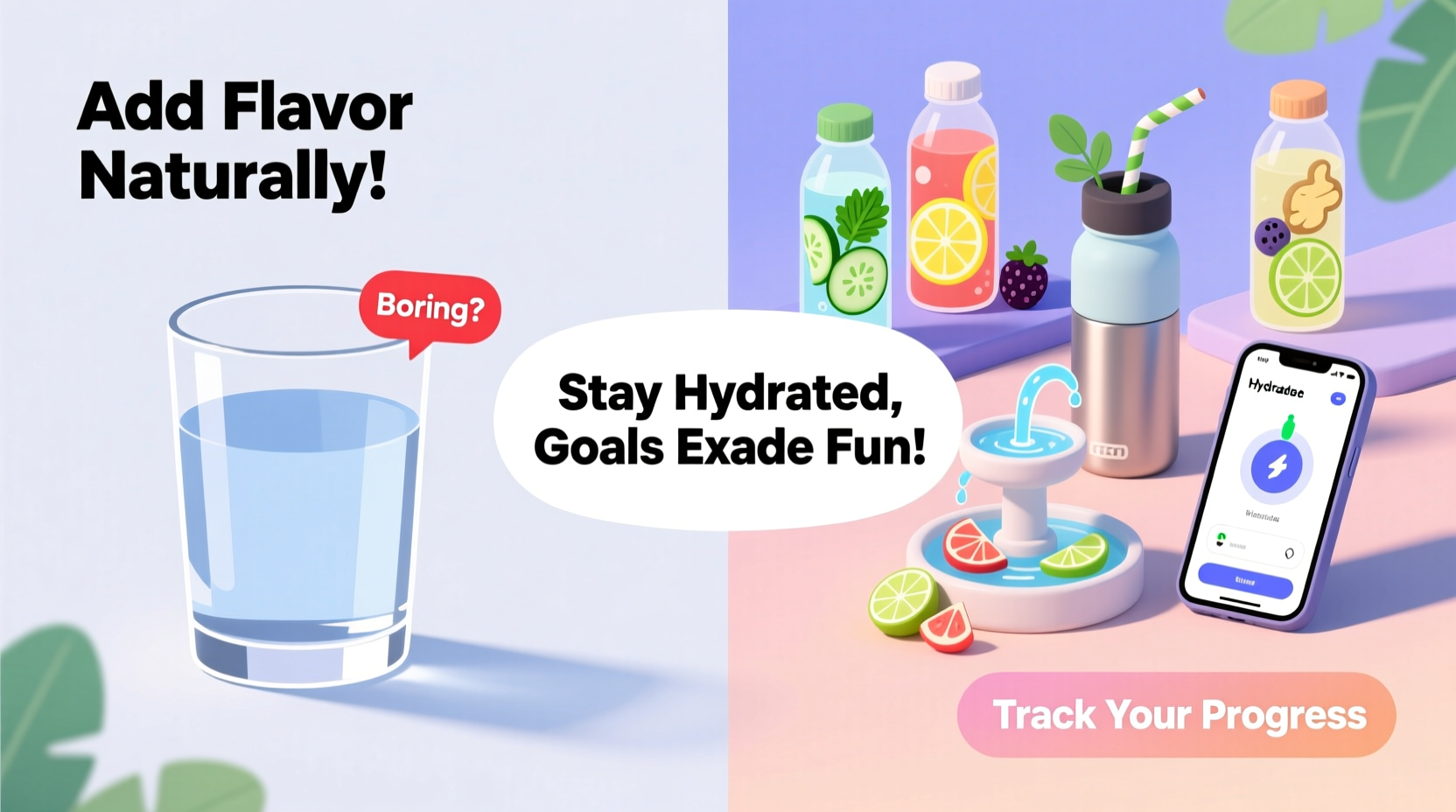
Human taste buds are wired to seek variety. Evolutionarily, we’re drawn to sweet, salty, and umami flavors because they signal energy-dense or nutrient-rich foods. Water, being neutral, doesn’t trigger these pleasure centers. Over time, especially if you're used to flavored beverages, drinking only plain water can feel like a chore.
However, research shows that repeated exposure to subtle flavors can actually recalibrate your taste preferences. A study published in the journal Appetite found that individuals who consistently drank naturally flavored water over four weeks reported increased enjoyment and reduced cravings for sugary drinks.
“Taste is adaptable. When people shift from artificially sweetened beverages to subtly enhanced waters, their palates adjust within a few weeks.” — Dr. Lena Patel, Nutritional Psychologist at Stanford Health
This means that boredom with plain water isn’t permanent—it’s a temporary hurdle that can be overcome with creativity and consistency.
Creative Ways to Flavor Water Naturally
Infusing water with real ingredients adds flavor without sugar, artificial additives, or calories. Unlike commercial flavored waters that often contain citric acid, preservatives, or sweeteners, homemade infusions keep things clean and refreshing.
Here are some proven combinations to keep your water interesting:
- Lemon + Mint: Classic, crisp, and digestive-friendly. Great first thing in the morning.
- Cucumber + Basil: Light and spa-like, this combo feels luxurious and cooling.
- Orange + Rosemary: Slightly herbal with a citrus kick—ideal for afternoon refreshment.
- Strawberry + Lime + Mint: Sweet-tart and vibrant, perfect for summer hydration.
- Ginger + Lemon: Zesty and warming, supports digestion and immune function.
- Pineapple + Cilantro: Tropical and unexpected, great for breaking flavor monotony.
For best results, muddle ingredients lightly to release essential oils, then let the water steep in the refrigerator for 1–4 hours. Avoid leaving fruit in water for more than 12 hours to prevent bacterial growth or off-flavors.
Using Frozen Fruit as Ice Cubes
A clever twist: freeze berries, citrus slices, or even small herb sprigs into ice cubes. As they melt, they gently infuse your water and keep it cold without diluting flavor quickly. This works especially well in outdoor settings or during workouts when chilled water is more appealing.
Build a Hydration Habit Stack
Willpower alone rarely sustains long-term behavior change. Instead, anchoring hydration to existing habits—known as \"habit stacking\"—makes it easier to remember and maintain.
Choose daily routines you already do consistently and attach a water ritual to them. For example:
- After brushing your teeth in the morning → drink one glass of lemon water.
- Before every meal → take three slow sips of water.
- After checking email → refill your bottle.
- During commercial breaks → finish half a glass.
This method reduces reliance on motivation and turns hydration into an automatic part of your day.
Use a Marked Water Bottle
Visual cues dramatically improve adherence. Use a reusable bottle with time markers or volume indicators. Aim to hit certain levels by specific times—e.g., halfway by 10 a.m., full by noon, refilled by 3 p.m.
| Time of Day | Hydration Goal | Action Step |
|---|---|---|
| 7:00 AM | 500ml (16 oz) | Drink upon waking + breakfast companion |
| 10:00 AM | 1L (32 oz) | First refill; pair with mid-morning break |
| 1:00 PM | 1.5L (48 oz) | Post-lunch top-up; use flavored infusion |
| 4:00 PM | 2L (64 oz) | Combat afternoon slump with chilled herbal water |
| 7:00 PM | 2.5L (80 oz) | Last major intake before winding down |
Try Herbal Teas and Sparkling Water Alternatives
Not all hydration has to come from still water. Expanding your definition of “water” to include non-caffeinated herbal teas and unsweetened sparkling options can add texture and excitement.
- Herbal Teas (Hot or Iced): Peppermint, hibiscus, chamomile, rooibos, and ginger tea offer bold flavors and zero caffeine. Brew a large pitcher at night and chill it for tomorrow’s intake.
- Sparkling Water: The effervescence mimics soda but without sugar or acidity damage. Add a splash of real juice or a citrus twist for flavor.
- Electrolyte-Enhanced Water: For active individuals, adding a pinch of sea salt and lemon to water improves taste and replenishes minerals lost through sweat.
A word of caution: avoid flavored sparkling waters with added citric acid or phosphoric acid, as these can erode tooth enamel over time. Opt for brands with minimal ingredients or flavor your own with natural extracts.
Real Example: How Sarah Doubled Her Daily Intake
Sarah, a 34-year-old graphic designer, used to drink less than 32 ounces of water a day, relying mostly on coffee and diet soda. She felt sluggish by mid-afternoon and struggled with dry skin. After learning about habit stacking, she made small changes:
- Bought a 32-ounce marked bottle and placed it next to her laptop.
- Started each morning with warm lemon water instead of coffee.
- Prepared two pitchers weekly: one cucumber-mint, one berry-ginger.
- Swapped one soda per day with sparkling water and lime.
- Set phone reminders at 10 a.m., 1 p.m., and 4 p.m.
Within three weeks, Sarah was consistently hitting 80+ ounces daily. She reported better focus, fewer headaches, and improved digestion. “I didn’t realize how much my energy was tied to hydration,” she said. “Now I look forward to my afternoon hibiscus tea like others do coffee.”
Checklist: Make Water Enjoyable and Sustainable
Use this practical checklist to build a personalized hydration plan that stays exciting:
- ✅ Choose 3–5 natural flavor combos to rotate weekly.
- ✅ Invest in a high-quality, leak-proof bottle with volume markings.
- ✅ Prep infused water the night before for grab-and-go convenience.
- ✅ Replace one sugary or caffeinated drink daily with herbal tea or sparkling water.
- ✅ Pair water intake with existing habits (e.g., after using the restroom, before meals).
- ✅ Experiment with temperature—some prefer icy water, others room temp.
- ✅ Track intake for 3 days to establish a baseline before setting goals.
- ✅ Use frozen fruit cubes in summer or warm lemon water in winter for seasonal appeal.
Frequently Asked Questions
Can I add sweeteners to my water if I don’t like the taste?
You can, but choose wisely. Natural options like a splash of 100% fruit juice (e.g., tart cherry or pomegranate), a drop of pure stevia, or monk fruit extract add sweetness without spiking blood sugar. Avoid high-fructose corn syrup or artificial sweeteners, which may disrupt gut health and perpetuate sugar cravings.
How do I know if I’m drinking enough water?
Look at your urine color: pale yellow indicates good hydration; dark yellow suggests you need more. Other signs include dry mouth, infrequent urination (less than 4–6 times/day), fatigue, or headaches. Individual needs vary based on activity level, climate, and body size—aim for at least half your body weight (in pounds) in ounces daily as a starting point.
Is it possible to drink too much water?
Yes, though rare. Overhydration can lead to hyponatremia—dangerously low sodium levels. This typically occurs when someone consumes excessive amounts (more than 1.5 liters per hour) over a short period, especially during intense endurance exercise. For most people, listening to thirst and balancing electrolytes prevents this risk.
Final Thoughts: Turn Hydration Into a Ritual, Not a Chore
Drinking enough water shouldn’t feel like a punishment. By embracing variety, leveraging sensory appeal, and integrating hydration into your lifestyle, you create a sustainable practice that supports long-term wellness. It’s not about perfection—it’s about progress, flavor, and consistency.
Start small. Try one new infusion recipe this week. Set one habit stack. Notice how your body responds. Over time, your palate will adapt, your cravings will shift, and reaching for water will become second nature.




 浙公网安备
33010002000092号
浙公网安备
33010002000092号 浙B2-20120091-4
Comments
No comments yet. Why don't you start the discussion?